Bormioli Rocco
Serie
Soort
Filters
186 products


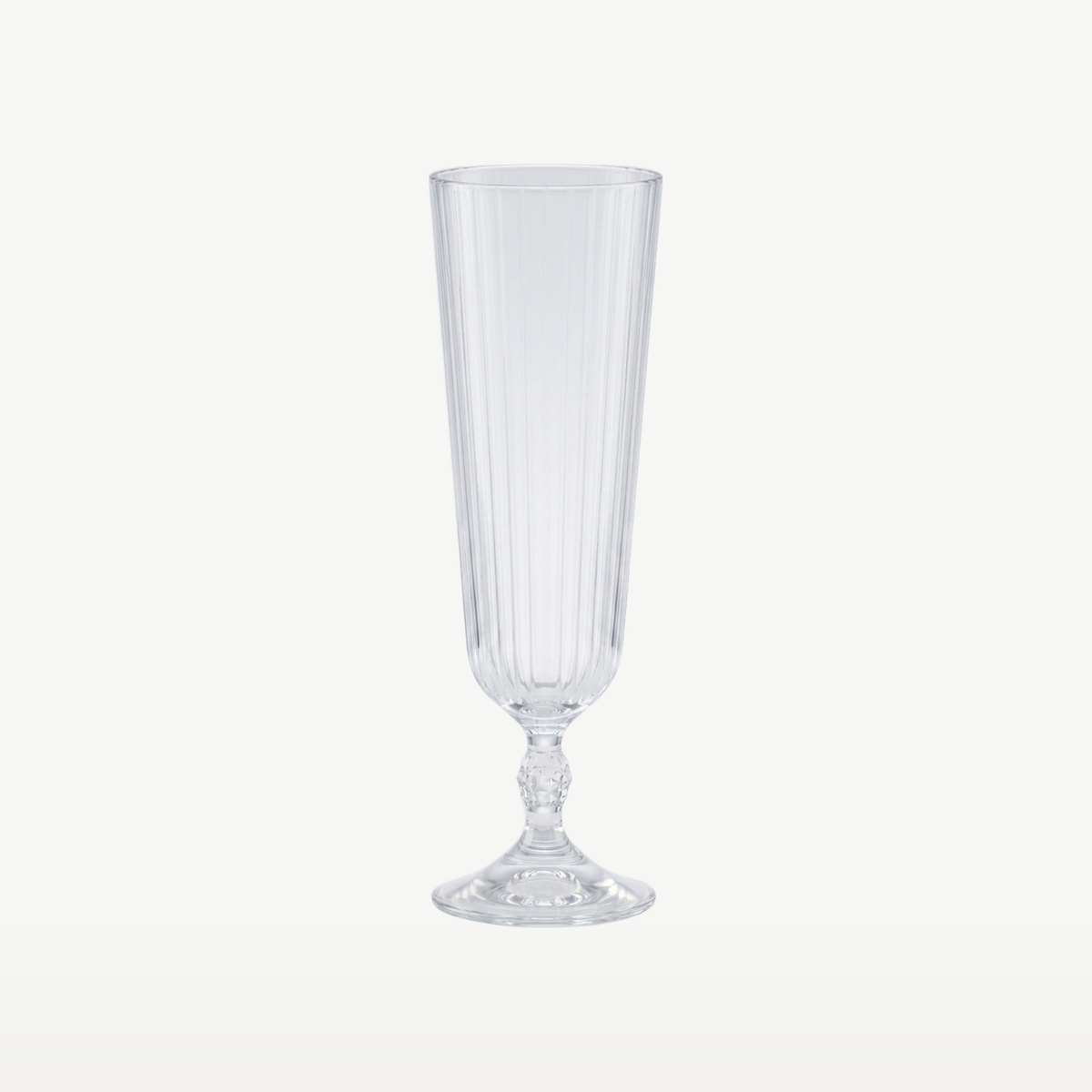


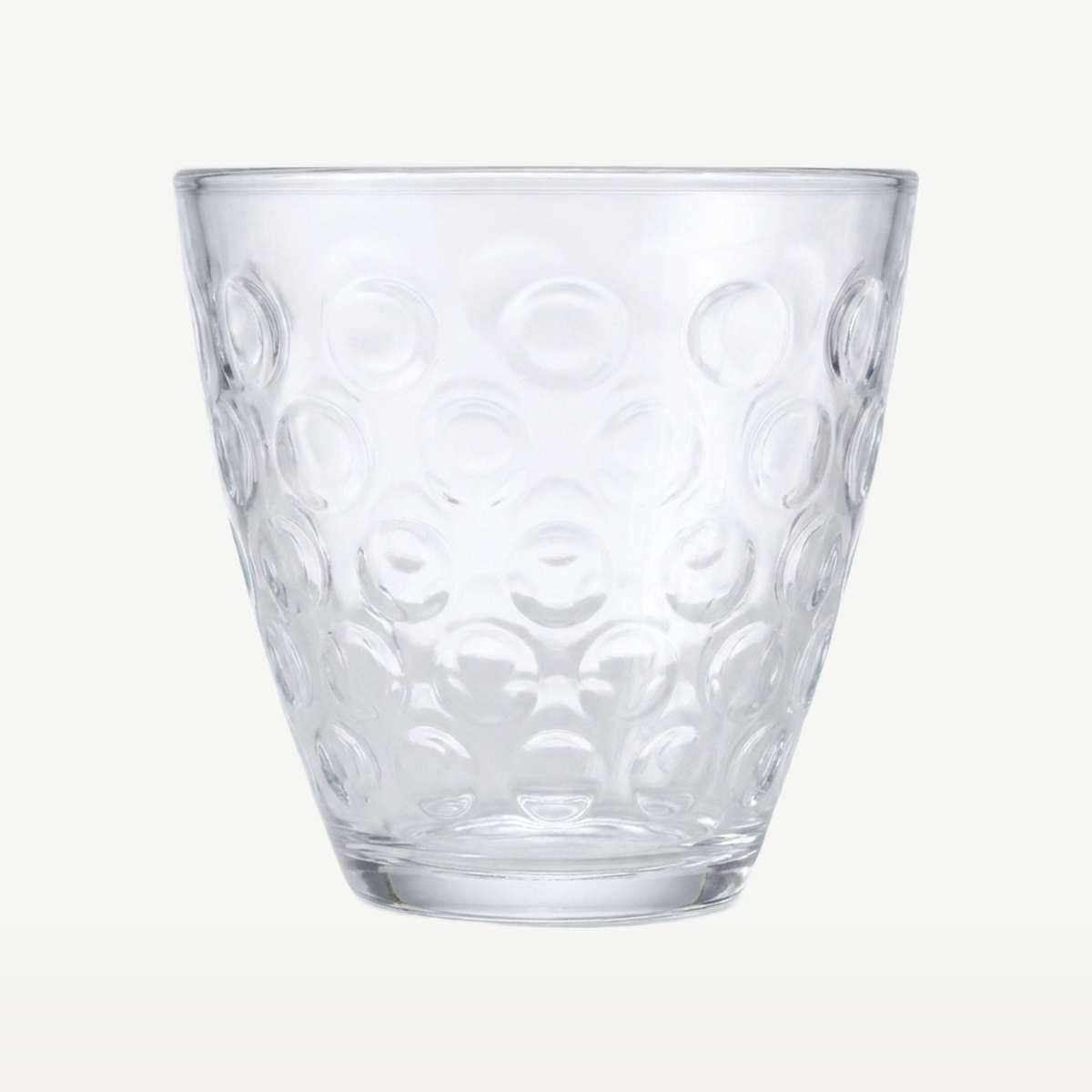






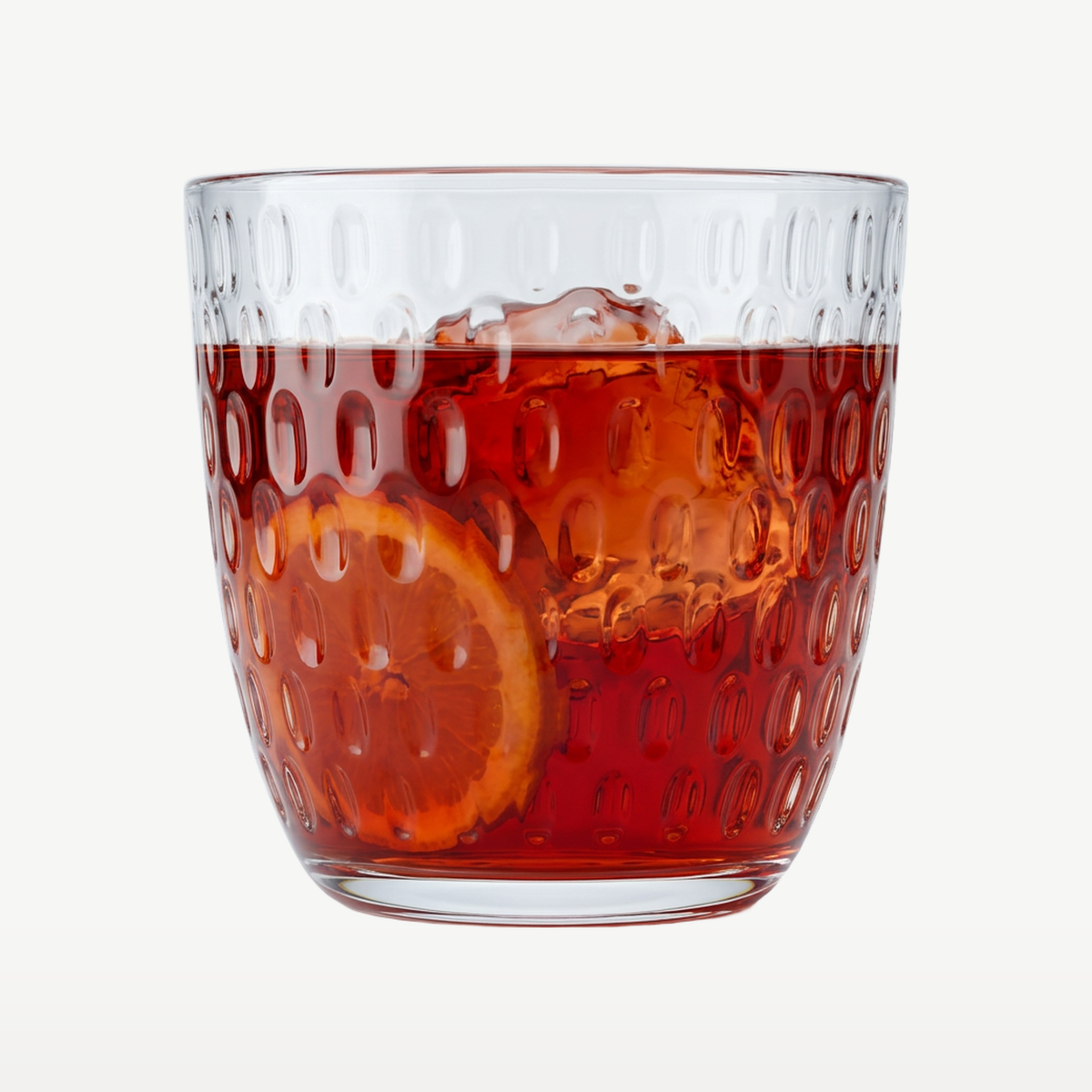
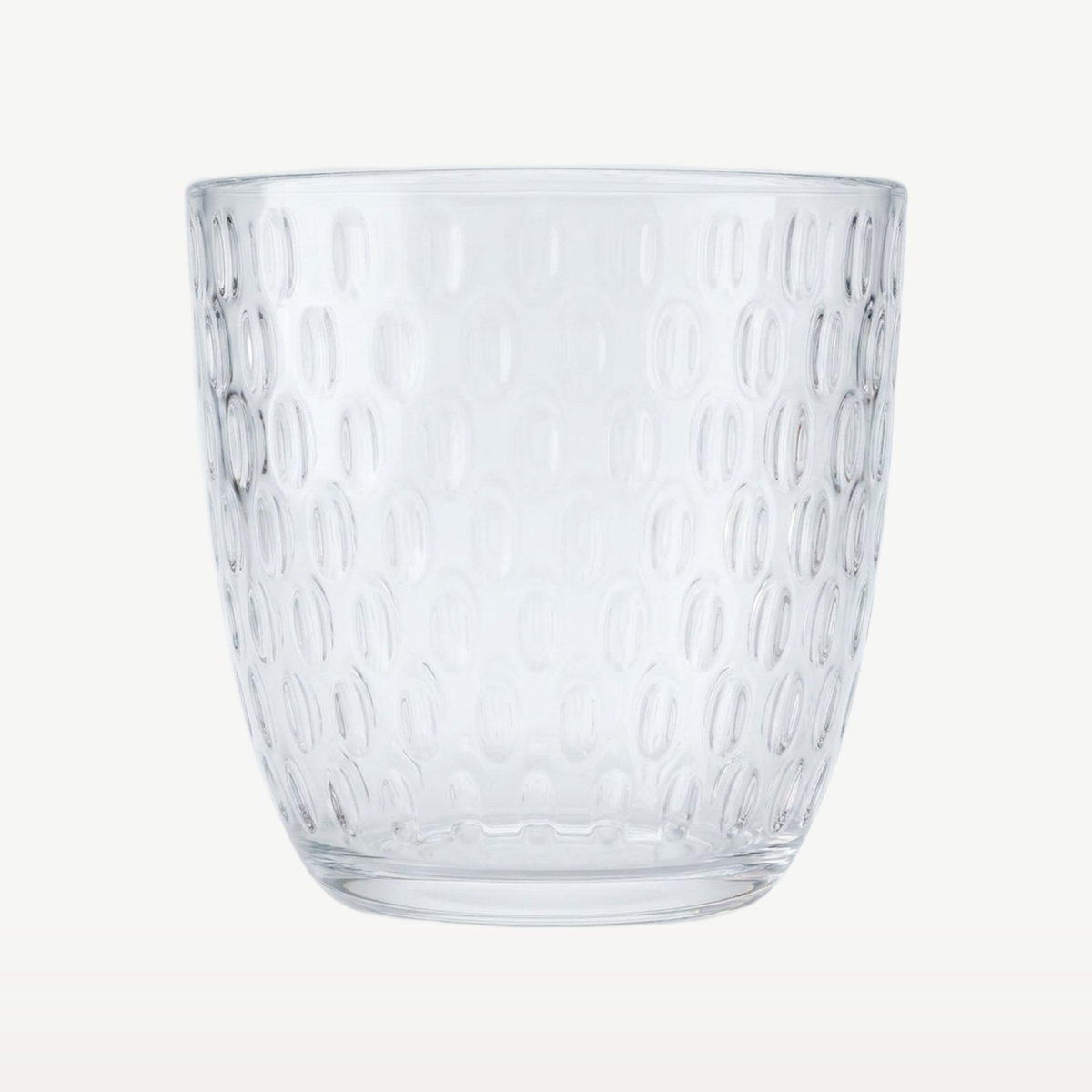


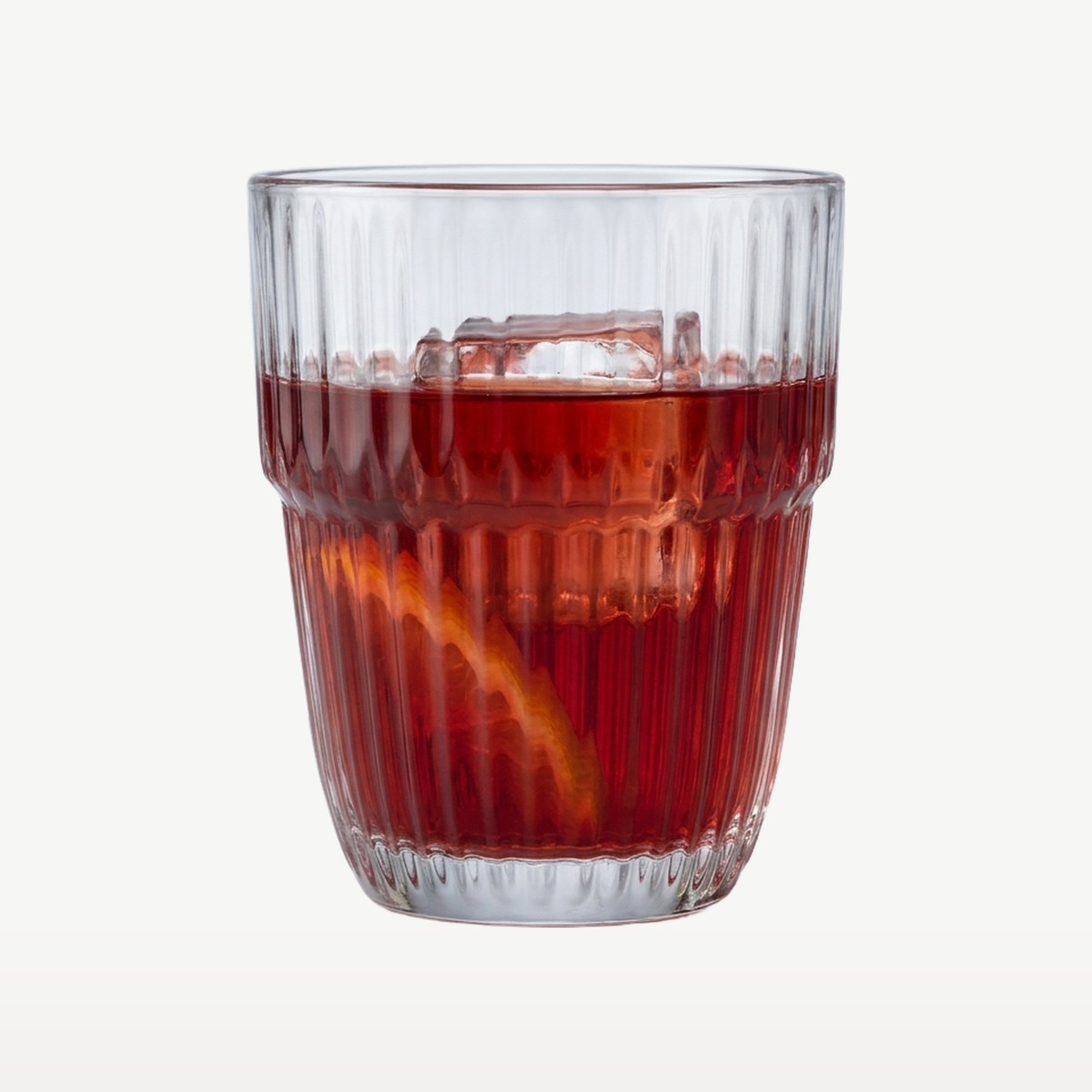
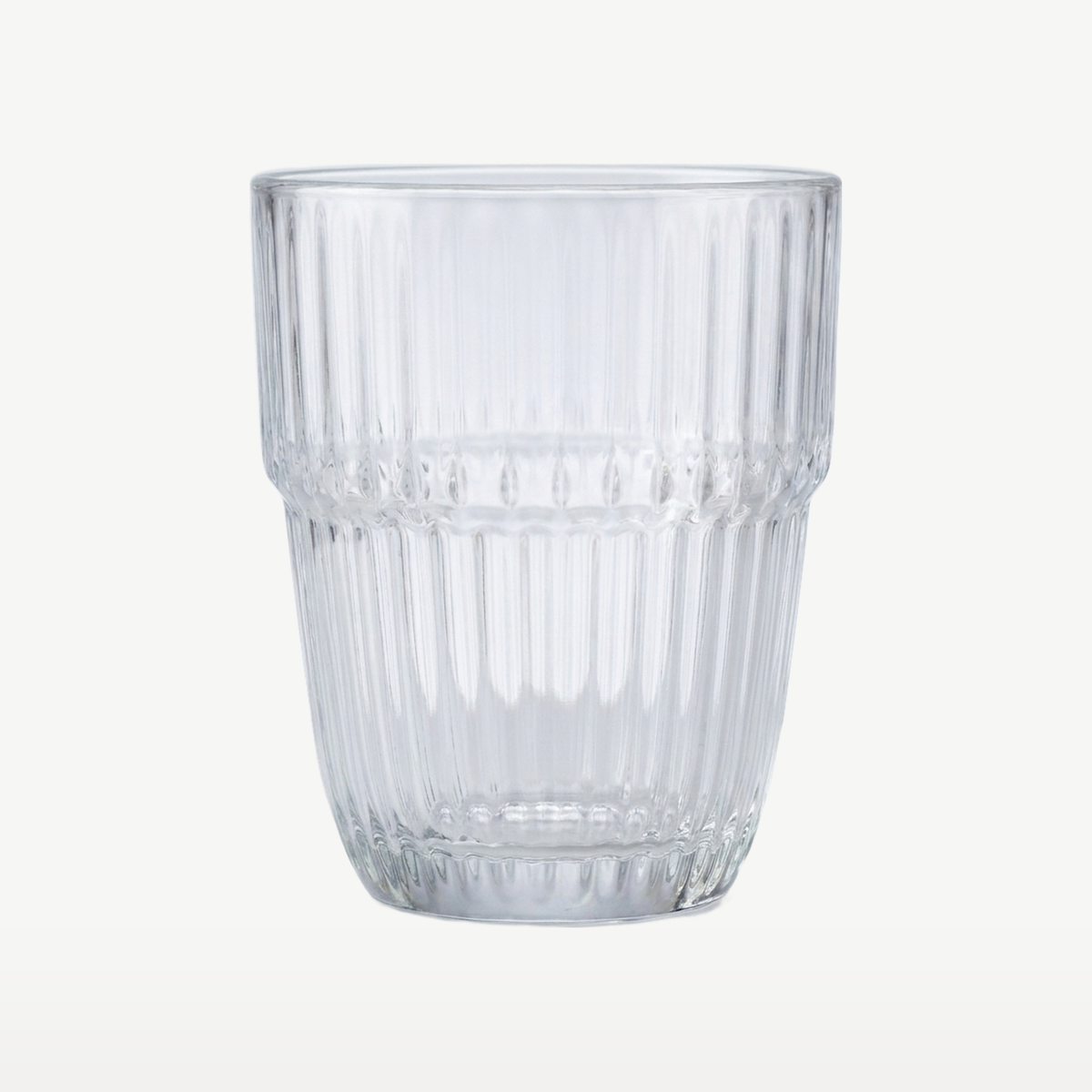


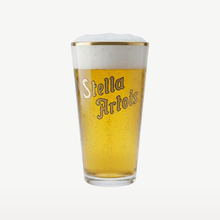
Bormioli Rocco has been making glass in Parma since 1825 and has grown into one of Europe’s largest glassmakers. You probably know its work without realizing it: preserving jars, tempered tumblers, and the beer glasses found on the counters of thousands of Italian bars.
When searching, check the full name carefully. Luigi Bormioli is a different Italian maker with its own collection. This is Bormioli Rocco glassware, from the world-famous Bodega to newer ranges such as Line, Diamond, and the art deco-inspired America'20s. Sizes range from an 8 cl shot glass to a 74 cl gin and tonic glass.
Recepten voor dit glas
Niet zeker welk glas je nodig hebt? Deze cocktails schenk je hierin.
 Aperol SpritzAperol & prosecco · Easy
 Dry MartiniGin & vermouth · Medium
 NegroniGin & Campari · Easy
 AmericanoCampari & vermouth · Easy
 Pornstar MartiniVodka & passievrucht · Gemiddeld
 Espresso MartiniVodka & espresso · Gemiddeld
 MojitoRum & munt · Makkelijk
 Gin & TonicGin & tonic · Makkelijk
 Piña ColadaRum & kokos · Makkelijk
 MargaritaTequila & limoen · Makkelijk
107 recepten, elk met het glas dat erbij hoort.
What is the difference between Bormioli Rocco and Luigi Bormioli?
They are two Italian glassmakers that happen to share the same family name. Bormioli Rocco mainly makes tempered glass for everyday use. Luigi Bormioli focuses more on thin crystal glass for wine and cocktails.
What do you use a Bodega glass for?
Almost anything. The 22 cl is a water glass, coffee glass, or small beer glass, and Italian bars use the 35 and 50 cl glasses for beer. The glass is tempered, stackable, and has a thick rim.
Is Bormioli Rocco glass tempered?
Many ranges are, including Bodega. After shaping, tempered glass is cooled quickly. This creates tension in the walls, making it more resistant to impacts. However, it is still sensitive to sudden temperature changes.
Can Bormioli Rocco glasses go in the dishwasher?
Yes, on a short cycle. If a glass has just come out of the machine, don't fill it with ice right away, because that temperature difference puts tension on the walls. A cloudy film after washing is limescale, not damage.