
Wine
Wine is fermented grape juice. Its color isn't in the juice; it comes from the skin. On this page, you'll learn what's in the bottle, how white, rosé and red wine can come from the same grape, and which glass to use.


Wine by type
Already know which way you want to go? Each type has its own page, with information about the grapes, taste, temperature and the right glass.
Red wine
Merlot, cabernet sauvignon and the rest, what oak does to wine, and how warm to serve it.
Go to red wine →Rosé
Wine made from dark-skinned grapes, with the skins left to soak for only a short time. Serve chilled, at 8 to 10 degrees.
Go to rosé →
Champagne
Only sparkling wine from the Champagne region can be called champagne. Here you'll also learn what brut and demi-sec mean.
Go to champagne →
Prosecco
What prosecco is, how dry or sweet it can be, and which glass it tastes best in.
Go to prosecco →
Cider
Made from apples, not grapes. That's why it has its own page, with its own glasses.
Go to cider →On our drinks page, you'll find every type and brand we cover, from wine to whisky.
The color comes from the skin, not the juice
Grapes always produce colorless juice, even blue grapes. Wine gets its color from the skin. So whether you get white, rosé or red depends not on the grape, but on how long the skins remain in the must. For red wine, it’s 24 hours; for rosé, 8 to 14 hours; and for white wine, the skins are usually left out. The longer the contact, the darker the wine. So the difference between rosé and white wine is simply the skin. Rosé is made from blue grapes, not a mix of white and red. Mixing white and red isn’t even allowed in the EU. Rosé Champagne is the only exception.
It starts with the harvest. Hand-picking means unripe or poor-quality bunches can be left behind right away. A machine can’t do that. The grapes are then crushed and usually destemmed. This releases the flavor compounds found in and beneath the skin. The must ferments slowly, turning the sugars into alcohol. Wines with a lot of malic acid, such as a full-bodied Chardonnay, go through a second fermentation. The malic acid then softens into lactic acid. After filtering, some of the wine is aged in oak barrels. This doesn’t work for every wine. It makes Chardonnay rich and warm, with notes of vanilla, butter and even caramel. The same grape stays fresh and crisp when aged in a steel tank.
In brief
Five bottles that show the range on the shelf
A dry white, a sweet sparkling wine and an alcohol-free bottle, with two more in between. Together, they show just how different wines can be.
Dry white wine
Light, fresh Sauvignon Blanc from the Loire. You can taste citrus, freshly cut grass and gooseberries, and it’s very easy to drink.

Red wine
Made from tempranillo, graciano and garnacha, this is a bold wine. Crianza means this Rioja has spent a year in oak barrels. You can taste it in the black fruit, cigar boxes and leather.
Rosé
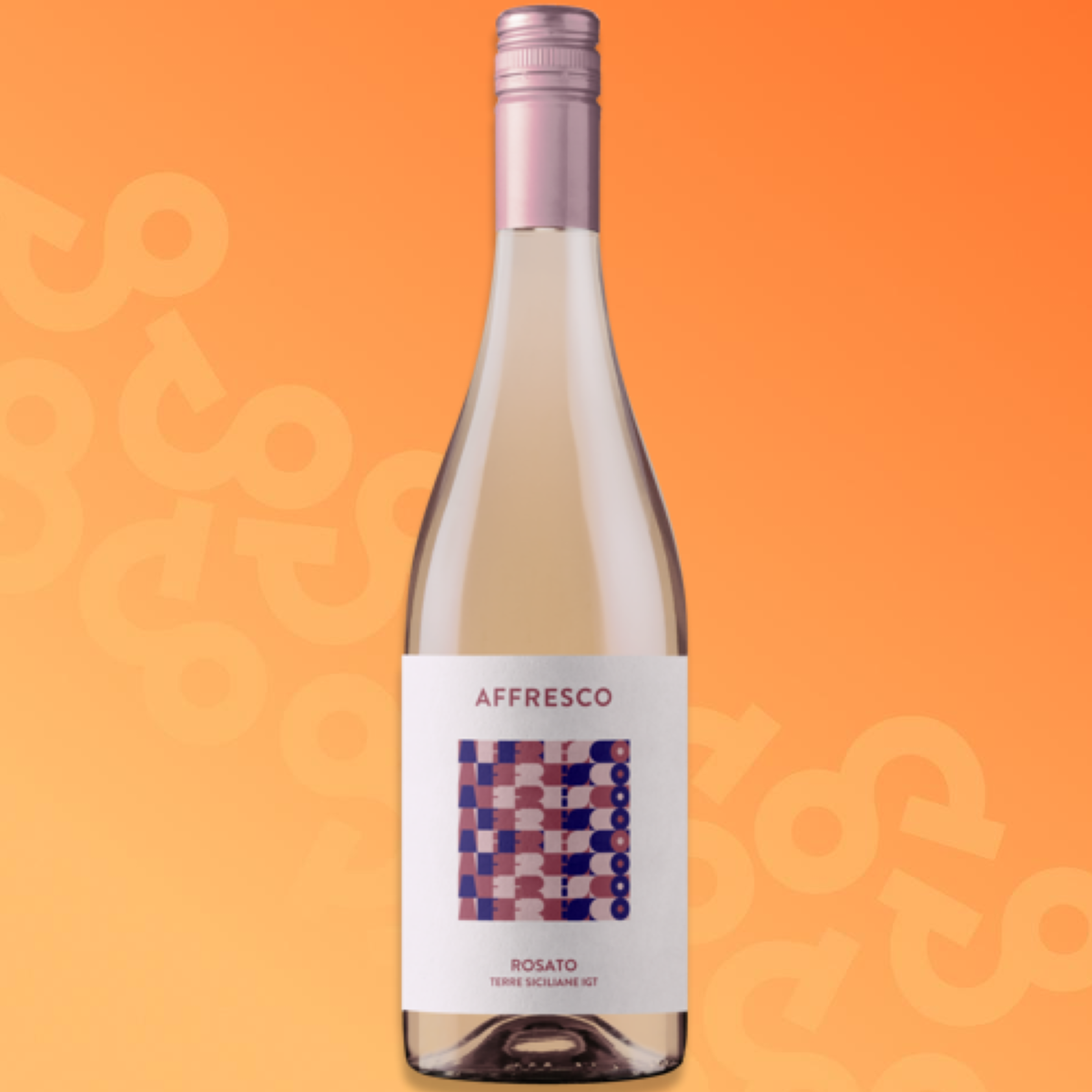
Salmon-pink rosé made from grenache, syrah, cinsault and carignan. Full-bodied yet silky smooth, with peach and light red summer fruit.

Sweet sparkling wine
Sweet sparkling wine made from the muscat grape. It smells of white flowers, table grapes and pears. It contains 12.5 grams of sugar per 100 milliliters, so this is one of the sweetest wines on the shelf. At 5%, it's also the lightest.

Alcohol-free wine
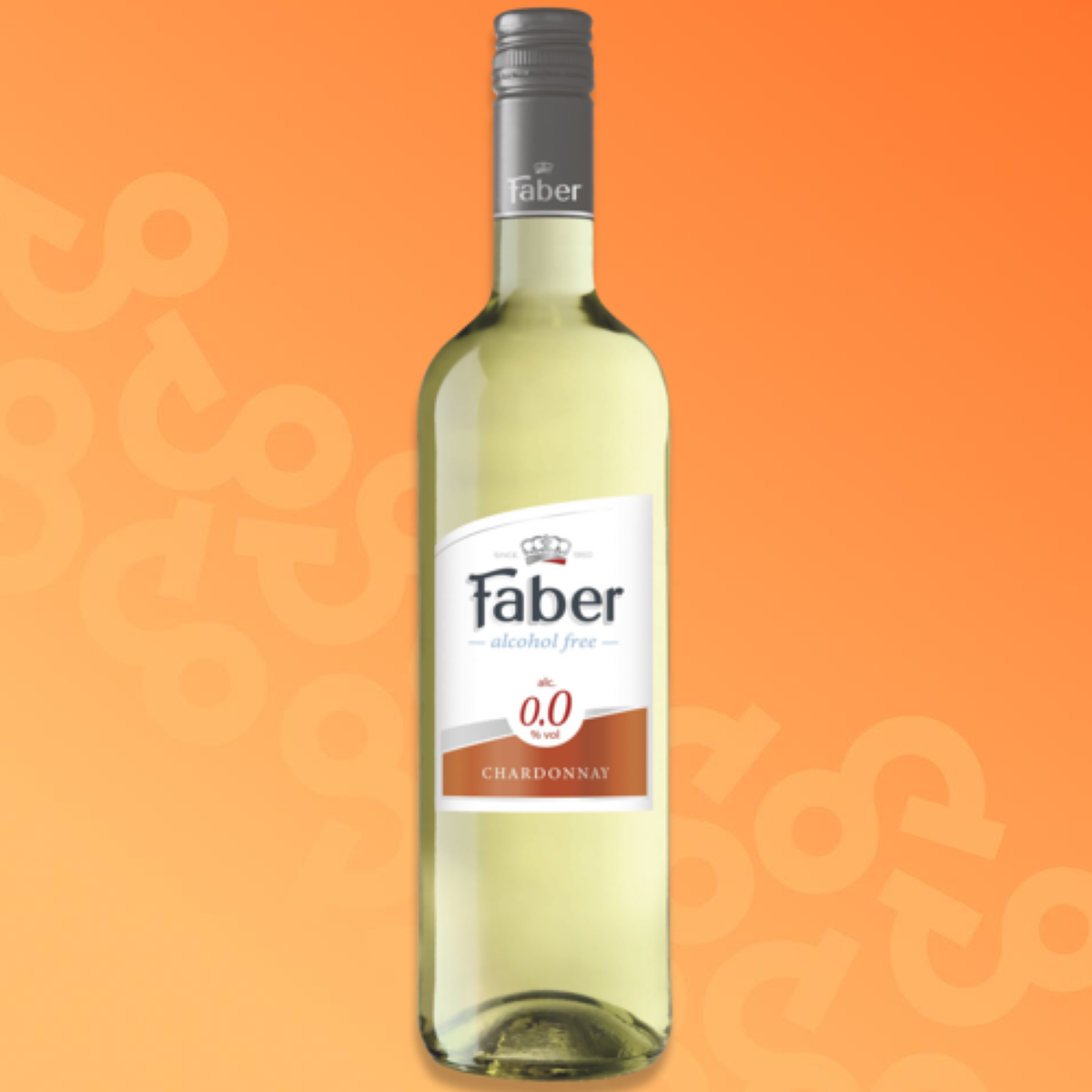
Alcohol-free chardonnay from the Pfalz, smooth and full-bodied. Slightly sweet, with citrus, star fruit and vanilla.
Each variety has its own page, with information on the grapes, flavor, serving temperature and glass.
From crisp and fresh to bold and spicy
Citrus, apple and sometimes vanilla
Sauvignon blanc is crisp and fresh, with citrus, freshly cut grass and gooseberries. Pinot grigio is light, with green apple, pear and citrus. Is chardonnay white or red? White, and that grape can go in two directions. Crisp and mineral from a stainless steel tank, or rich and creamy with vanilla and butter after aging in oak.
Peach and red summer fruit
The skins are left to soak for just 8 to 14 hours, so the blue grapes contribute mainly fruit flavors. Peach and light red summer fruit, soft and fruity.
From red fruit to firm tannins
Pinot noir is on the lighter side. Fresh and fruity, with red berries, cherries and raspberries, and soft tannins. Cabernet sauvignon is at the other end of the spectrum. Blackcurrants, cedar and plenty of tannins, softened by aging in oak barrels.
This is an average across the entire selection. Moscato is much sweeter, sauvignon blanc is fresher, and cabernet sauvignon is bolder.
How to pour wine
Temperature matters more with wine than you might think. Beyond that, it comes down to pouring gently and putting the bottle away at the right time.
At the right temperature
Serve fresh, very fruity white wine at 8 to 10 degrees. Full-bodied, aromatic white at 10 to 12, and rosé chilled to 8 to 10. Fruity red wine tastes best at 14 to 16 degrees, and powerful, full-bodied red at 18. Too warm? The fruit fades and you mainly smell alcohol. Too cold? You'll smell less and the acidity will dominate.
To the glass →To decant or not
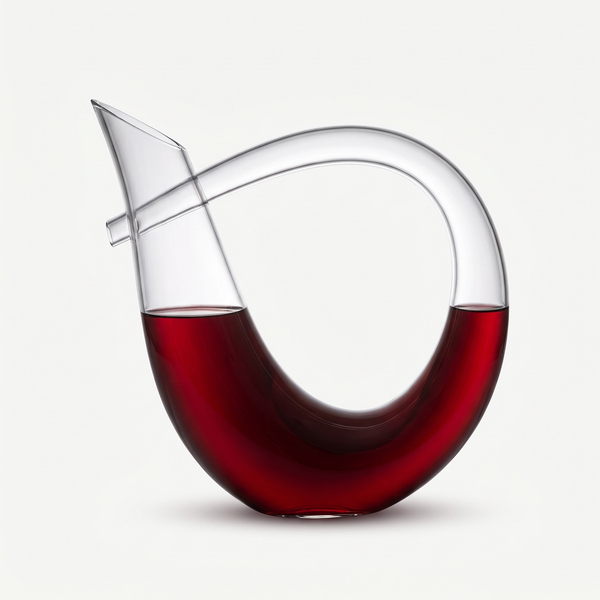
Decanting literally means pouring from one vessel to another. The wine gets more oxygen, which brings out its aromas and flavors. Young, tight red wine really needs this. Old wine doesn't; it develops too quickly. Decant it half an hour to three hours beforehand. Stand an old bottle with lots of sediment upright a day in advance.
Decanters →Pouring and storing
A 75 cl bottle holds about six glasses. Pour red wine to just below the widest part of the glass so you can swirl it without spilling. White wine and rosé can be poured just above that point. Store an opened bottle in a dark place that's slightly warmer than your fridge.
More about storage →Wine cocktails
Wine cocktails almost never use still wine. Usually, sparkling wine is the base. Open a bottle of dry sparkling wine for these four classics.

Kir Royal
Crème de cassis in the bottom of the glass, then gently top up with a dry sparkling wine.
Bellini
Peach purée in the bottom, topped up with dry sparkling wine.
Mimosa
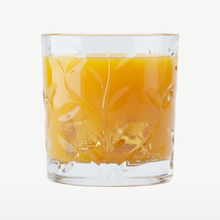
Half orange juice, half bubbles. That's all you need.
Alcohol-free spritz
Built like a spritz, but with alcohol-free bubbles.The right glass for wine
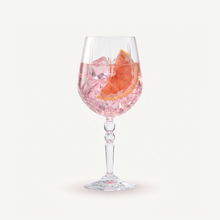
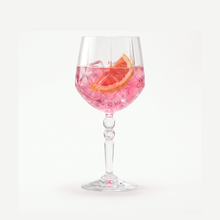
A wine glass has a base at the bottom, a stem and a bowl at the top. Aromas linger in the bowl. Hold the glass by the stem so your hand doesn't warm the wine. These are the glasses we recommend ourselves.


Questions about wine
Can’t find your question here? Browse our cocktail recipes or send us a message.
To the cocktail recipes →What is wine, and what percentage of alcohol does it contain?
What’s the difference between rosé, white, and red wine?
Is rosé a blend of red and white wine?
What temperature should you serve wine at?
How many glasses are in one bottle of wine?
How long does an open bottle of wine keep?
Which wine glass do you need?
Buy wine
Want the bottle delivered straight to your door? Order wine online at Gall & Gall. Gall & Gall has 1,762 wines, 233 of which are on sale.
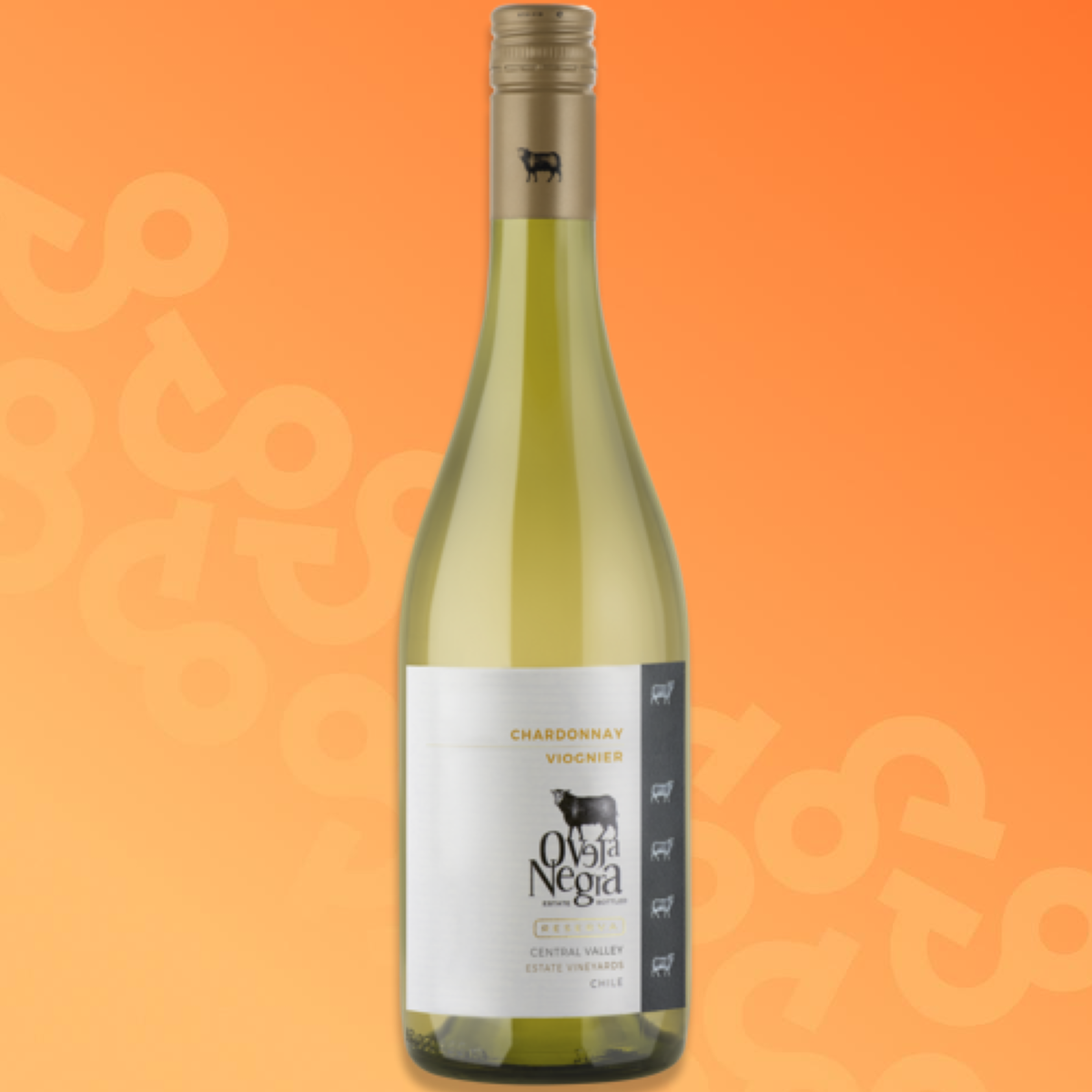
Oveja Negra Reserva Chardonnay Viognier
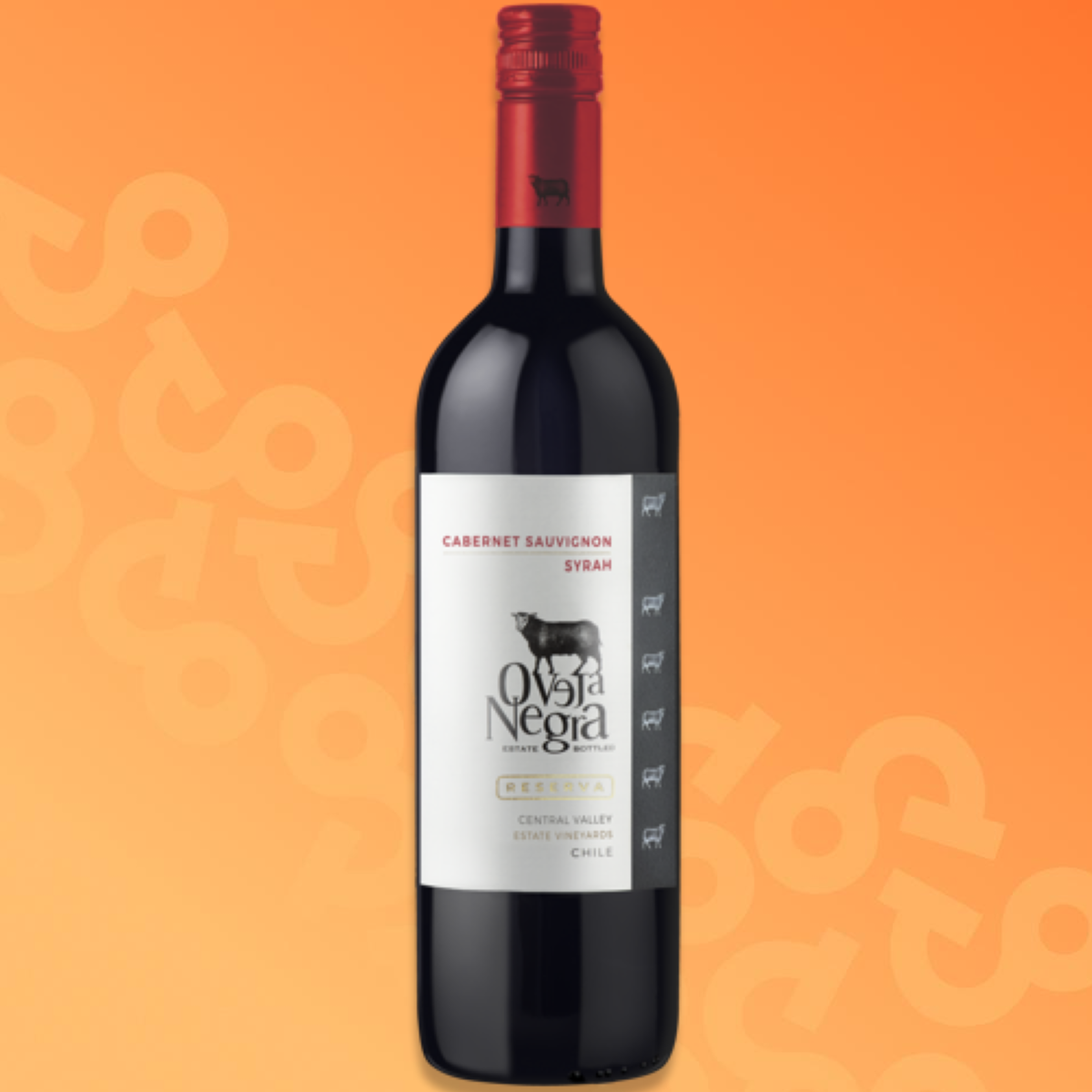
Oveja Negra Reserva Cabernet Sauvignon Syrah
Prices as of November 19, 2026, as provided by Gall & Gall. You can see the current price and stock at Gall & Gall. Glazen.nl receives a small commission if you buy something through these links; it costs you nothing extra. No 18, no alcohol.