

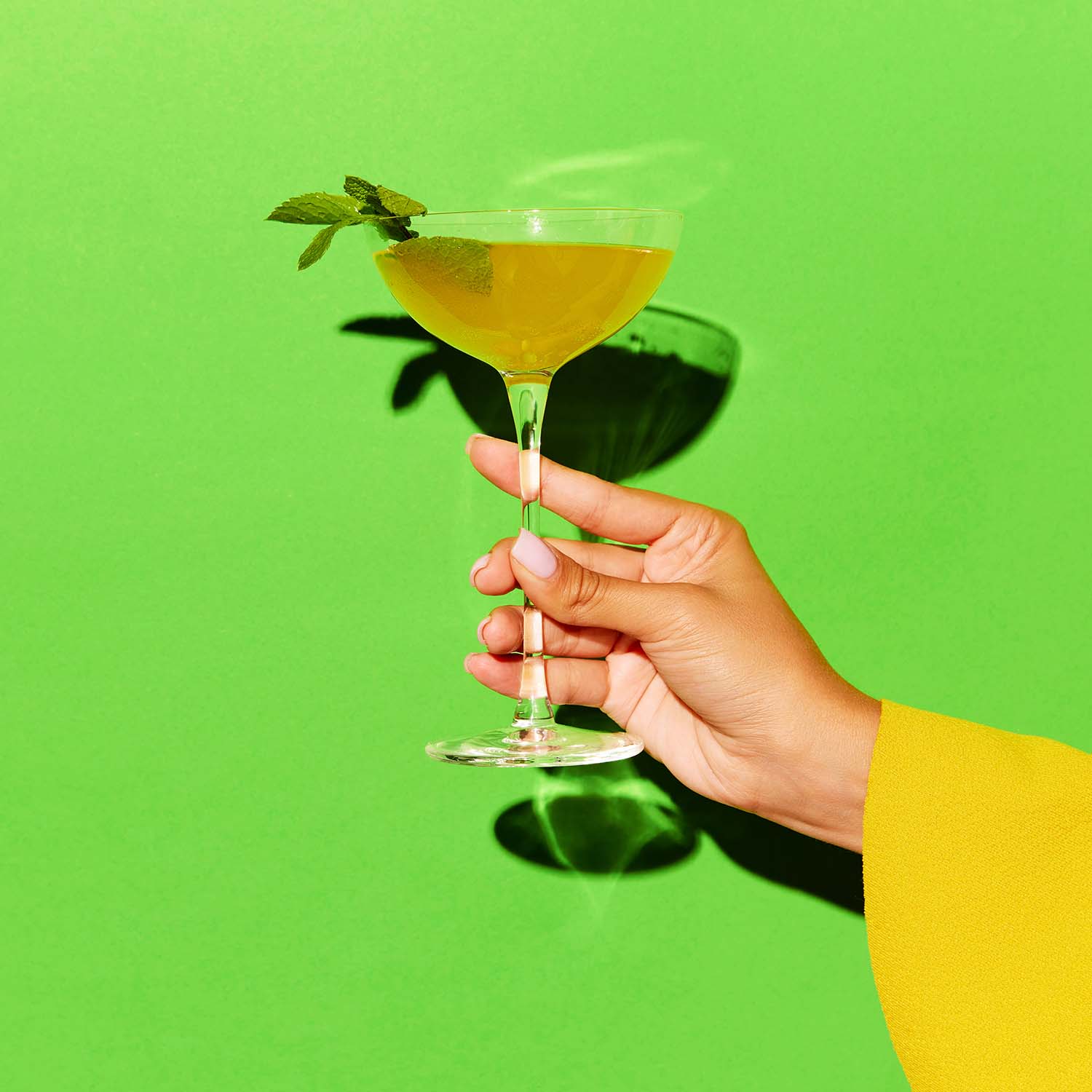




Moscato
Moscato is white wine made from the Moscato grape, and it is indeed sweet, with peach, apricot and honey flavours. What is particularly notable is its alcohol content: while an ordinary wine contains 12 to 14 percent, moscato stays between 5 and 8.


Wine by type
Moscato occupies the sweet, light corner of the wine shelf. Here is what else you can read about its neighbours.
White wine
White wine ranges from bone-dry to late-harvest and sweet, and moscato falls into the latter category.
About White wine →Lambrusco
What lambrusco is, how sweet it can be and which glass the red sparkling wine belongs in.
About Lambrusco →
Prosecco
What prosecco is, how dry or sweet it can be and why it is in virtually every spritz.
About Prosecco →
Wine
An overview of red, white, rosé and sparkling wines, including the serving temperature and the right glass for each.
About Wine →A muscat grape, and sugar that has not fermented
Moscato is wine made from the Moscato grape, also known as muscat or muscat grape, and it is one of the oldest grape varieties in the world. Most bottles come from Piedmont, in northwestern Italy, around the medieval city of Asti; today, the grape is also used in France and Spain, and even in South Africa. What you usually get in the glass is a sweet, fruity white wine with flavours of peach, apricot, honey and orange. That aroma comes from the grape itself, not from ageing or oak; the muscat aroma is so distinctive that you can often smell a moscato before tasting it.
The sweet taste and low alcohol percentage have the same cause. When making wine, yeast converts the sugar in grape juice into alcohol, and with a moscato, this only happens partially. The sugar that has not been converted remains in the wine as residual sugar, and precisely because less sugar has fermented, less alcohol remains too. This gives a Moscato d'Asti an alcohol content of 4.5 to 6.5 percent and an Asti 7 to 9, compared with 12 to 14 percent for an ordinary wine. The amount of sugar left varies greatly from bottle to bottle: a Canti Asti contains 85 grams of residual sugar per litre, while a rosé moscato such as Kaapse Veer Blush contains just 10 grams.
In brief
Six bottles, and not all sweet and light
The best-known moscatos are sweet and low in alcohol, but the muscat grape can also be different. These six are arranged from light to full-bodied, ending with a 15 percent Spanish wine and a completely dry Sicilian.
Moscato d'Asti
A sweet sparkling wine from northern Italy made from the muscat grape, with aromas of white flowers, table grapes and pears. With 12.5 grams of sugar per 100 milliliters and 5 percent alcohol, this is the textbook example of the style.

Asti
A sweet sparkling white wine made from 100 percent moscato, with notes of apple, pear and citrus fruits. With 85 grams of residual sugar per liter and 8 percent alcohol, it is fuller-bodied than a Moscato d'Asti.

Moscato from South Africa
Made from the muscat grape Muscat d'Alexandrie, also known as hanepoot in South Africa. Not all the sugars in the grape juice have been converted into alcohol, resulting in a lightly sweet sparkling wine at 5.5 percent, with orange blossom and mandarin flavors.

Moscato blush
A light pink, highly aromatic wine with notes of flowers, grapes and citrus fruits, which gets its color from 3 percent pinotage. With 10 grams of residual sugar per liter, it is the exception in this lineup: light, but barely sweet.

Dry moscato
At the southeasternmost tip of Sicily, Planeta makes this dry wine from moscato bianco. You can taste grapes, jasmine, rose petals, grapefruit and even a hint of salinity.

Sweet dessert wine
A sweet Spanish dessert wine made from moscato, with flavors of toffee, grapes and raisins. At 15 percent alcohol, it proves that a wine made from the muscat grape can also be full-bodied.
That brings you to the first four bottles: they are all below 8 percent. The last two show that the muscat grape can also be dry or full-bodied.
Sweet and aromatic, but rarely heavy
Peach, apricot and honey
The muscat grape is so aromatic that you recognize it immediately: peach, apricot, honey and orange, complemented in a Moscato d'Asti by white flowers, table grapes and pears. That musky aroma comes from the grape itself.
Sweet and lightly sparkling
The residual sugar makes the flavor clearly sweet and fruity, but thanks to the freshness and light bubbles, the wine remains refreshing rather than syrupy. At 5 to 8 percent alcohol, a glass also feels noticeably lighter than a glass of regular wine.
Fruity and short
A short, fruity finish with mandarin and orange blossom. Because it contains little alcohol, the sweetness lacks the warm, heavy tail that a classic dessert wine does have.
Flavor profile of an average Moscato d'Asti. A dry moscato from Sicily scores much lower on sweetness, while a Spanish dessert wine with 15 percent alcohol scores considerably higher on strength.
How to serve moscato
Moscato is best served well chilled, in a small glass, and usually at the beginning or end of the meal.
Serve well chilled
For sparkling wine, 8 to 10 degrees is the general guideline, and that works well for moscato. More than four hours in the refrigerator works, as does half an hour in an ice-and-water cooler. Served too warm, the sweetness will dominate.
The right glass →With a fruity dessert
Sorbet, fruit salad, strawberries with whipped cream and desserts with berries or raspberries all pair well with it, as do cheesecake, tiramisu and crème brûlée. If the dessert leans toward caramel or apple pie, a fuller-bodied sweet moscato wine comes into its own.
View the bottles →As an aperitif
Moscato is also often served before the meal is brought to the table. Its low alcohol content helps: a glass before the meal remains light. Melon with cured ham is a classic combination, and an almost-dry rosé moscato works well with a salad.
To the cocktails →Cocktails with a sweet sparkling wine
There are no classic cocktails made with moscato; the wine is almost always drunk on its own. These four are made with a related sparkling wine, prosecco or champagne, and are the closest in taste.

Bellini
Peach purée at the bottom of the glass, then gently top up with prosecco.
Mimosa
Half orange juice, half bubbles and a splash of Cointreau on top.
Kir Royal
Crème de cassis in the glass, topped up with champagne.
Hugo Spritz
Elderflower syrup, prosecco, sparkling water, mint and lime in a large glass with ice.The right glass for moscato
A flute has a small opening, which helps retain the bubbles for a long time; a small wine glass is wider at the bottom, giving the muscat aroma more room. You can skip the coupe, as the wine quickly loses its bubbles in it. These are the glasses we recommend ourselves.


Everything you still wanted to know about moscato
Is your question not listed? Browse our cocktail recipes or get in touch.
To the cocktail recipes →