

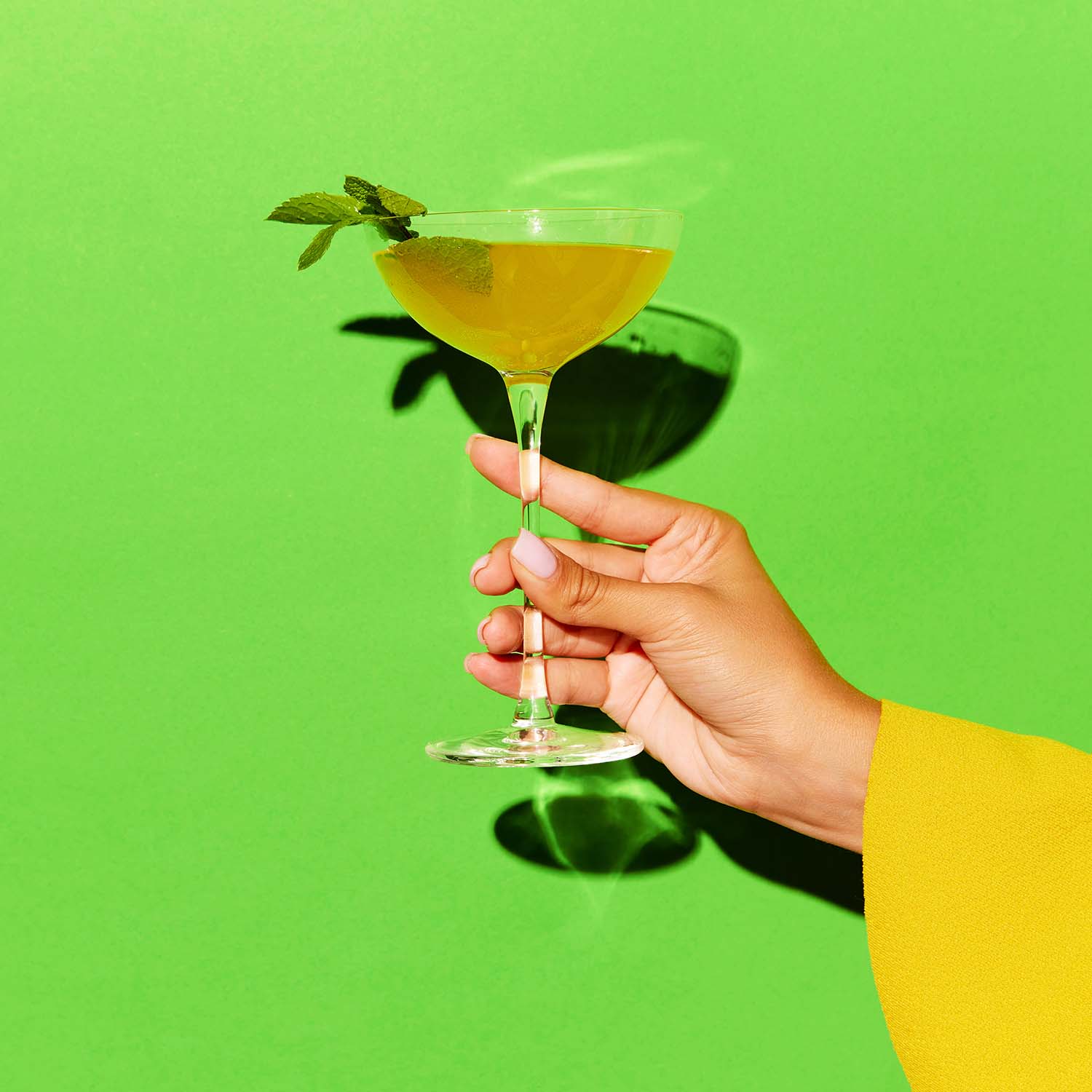




How to pour
a marsala in
Put the bottle in the refrigerator for half an hour if it is at room temperature. Serve Marsala at 12 to 16 degrees, so cooler than the room but warmer than white wine.
Uncork the bottle and read the label. Oro, ambra, and rubino indicate the color; secco, semisecco, and dolce indicate the sweetness; fine, superiore, vergine, and soleras indicate the aging.
Fill the glass to about one-third full, around 4 cl. You need the space above it for the aromas of dried fruit and nuts to rise.
Add almonds or biscotti and reseal the bottle. Marsala is fortified and stays good for weeks after opening in a cool, dark place.
What did you think of this guide?
One click on a star is enough. If you want to add anything, we will read it first before it appears here.
Save this page
Send this page to your own email so you have the information at hand when you are ready to pour. You will also receive a €5 discount code when you spend €50 or more, for the glasses that go with it.
The story
Marsala comes from the province of Trapani, in western Sicily, with the port city of Marsala at its center. White versions use grillo, catarratto and inzolia, while red versions use nero d'avola and perricone. After fermentation, the wine is fortified, and many styles also contain concentrated grape must or sweet must blended with alcohol. This explains the amber color and caramel notes. In Dutch kitchens, marsala is mainly used in the pan, while a dry vergine is simply enjoyed by the glass in Sicily. That is the misconception this page aims to correct.
The right glass
You drink marsala from a small 10 to 14 cl stemmed glass, allowing the amber color and aromas of dried fruit and nuts to shine. A dedicated marsala glass is not in our catalog; port and liqueur glasses are exactly the right size and the closest match. If you cook with it, you do not need a glass but a measuring tool. You can find more small stemmed glasses in the liqueur glasses collection.

Chef & Sommelier Cabernet Porto liqueur glass 12 cl (6 pieces)

RCR Invino liqueur glass 10 cl (6 pieces)
Both sets together € 61,40.
The right tools
For marsala, besides the glass, you use a jigger to measure the marsala and a bar spoon to stir it into a dessert. These are the bar tools we use ourselves; you can find everything in our bar tools & cocktail sets.


Glassware set (our choice 01) + 2 bar tools together € 48,35.
Which wine goes with this?
Marsala is wine from Sicily, fortified with grape spirit. These are the Italian bottles that pair well with it, from a Brunello with a meal to a limoncello afterwards. On each drink page, you can read the alcohol percentage, what it tastes like, which cocktails it works in and which glass you need.


Variations & twists
In the kitchen, Marsala is the wine used to deglaze a pan: scaloppine al Marsala, chicken with mushrooms, and, for dessert, zabaglione, which is also used in many tiramisus. Dolce works in sweet dishes, while secco works in savory ones. In the glass, it is a different story: you drink a vergine or a superiore neat, as an aperitif or after a meal. Want to read more? View all drinks and brands.
Serving tip
Serve Marsala at 12 to 16 degrees in a small stemmed glass, filled to about one-third. A dry vergine goes well before the meal with olives, almonds or a piece of pecorino; dolce belongs at the end, with biscotti or a piece of cantuccini.
Good to know
Oro, ambra or rubino: what does it mean?
That refers to the color. Oro is golden and comes from white grapes, ambra is amber-colored and darker, and rubino is reddish and made from blue grapes such as nero d'avola and perricone. The color says nothing about the sweetness; that is listed separately.
Secco, semisecco or dolce?
This is the scale from dry to sweet. Secco is the dry version, semisecco is somewhere in between, and dolce is the sweet one. Choose secco for savory dishes and as an aperitif; dolce makes more sense for desserts and with dessert.
What do fine, superiore and vergine mean?
That refers to the aging. Fine is the least aged and most commonly used cooking Marsala. Superiore is aged longer. Vergine, also called soleras, is the dry style made without added sweetening and aged the longest. That last one is the version you want in a glass.
Which grapes are in it?
Grillo, catarratto and inzolia are used for the white styles. For rubino, these are nero d'avola and perricone. Grillo is often considered the grape that gives marsala its structure.
Can you simply drink cooking marsala?
You can, but it is rarely delicious. Cheap cooking versions are often heavily sweetened and sometimes salted, and they are aged for a short time. If you want marsala in a glass, look for a vergine or a superiore. It works the other way around too: a good drinking marsala works perfectly in the pan.
How much alcohol does it contain and how long does it keep?
Marsala is fortified and usually has an alcohol content of around 17 to 20 percent; the exact figure is stated on the label. Because it is fortified and most styles have already undergone oxidative ageing, an opened bottle will keep for weeks to months in a cool, dark place.
Frequently asked questions
Is marsala only a cooking wine?
No. In the Netherlands, it is mainly used in cooking, but in Sicily, marsala is just as much a drink in its own right. Serve a dry vergine as an aperitif and a dolce after a meal. The difference lies in the quality and style, not in the product.
Where does marsala come from?
From the far west of Sicily, in the province of Trapani, around the city of Marsala. The white grapes are grillo, catarratto and inzolia; nero d'avola and perricone are used for the red version.
At what temperature do you serve marsala?
Between 12 and 16 degrees. That is cooler than room temperature but warmer than white wine from the refrigerator. If the bottle is on the shelf, half an hour in the refrigerator is enough.
Which glass do you use for marsala?
A small stemmed glass holding 10 to 14 cl, filled to about one-third. A port or liqueur glass is exactly the right size. A large wine glass works less well because it gives the aroma too much room.
Everything for your bar,
to one address
Glasses in hospitality quality, delivered per set. Order today, delivered quickly.
Shop the glasses →