

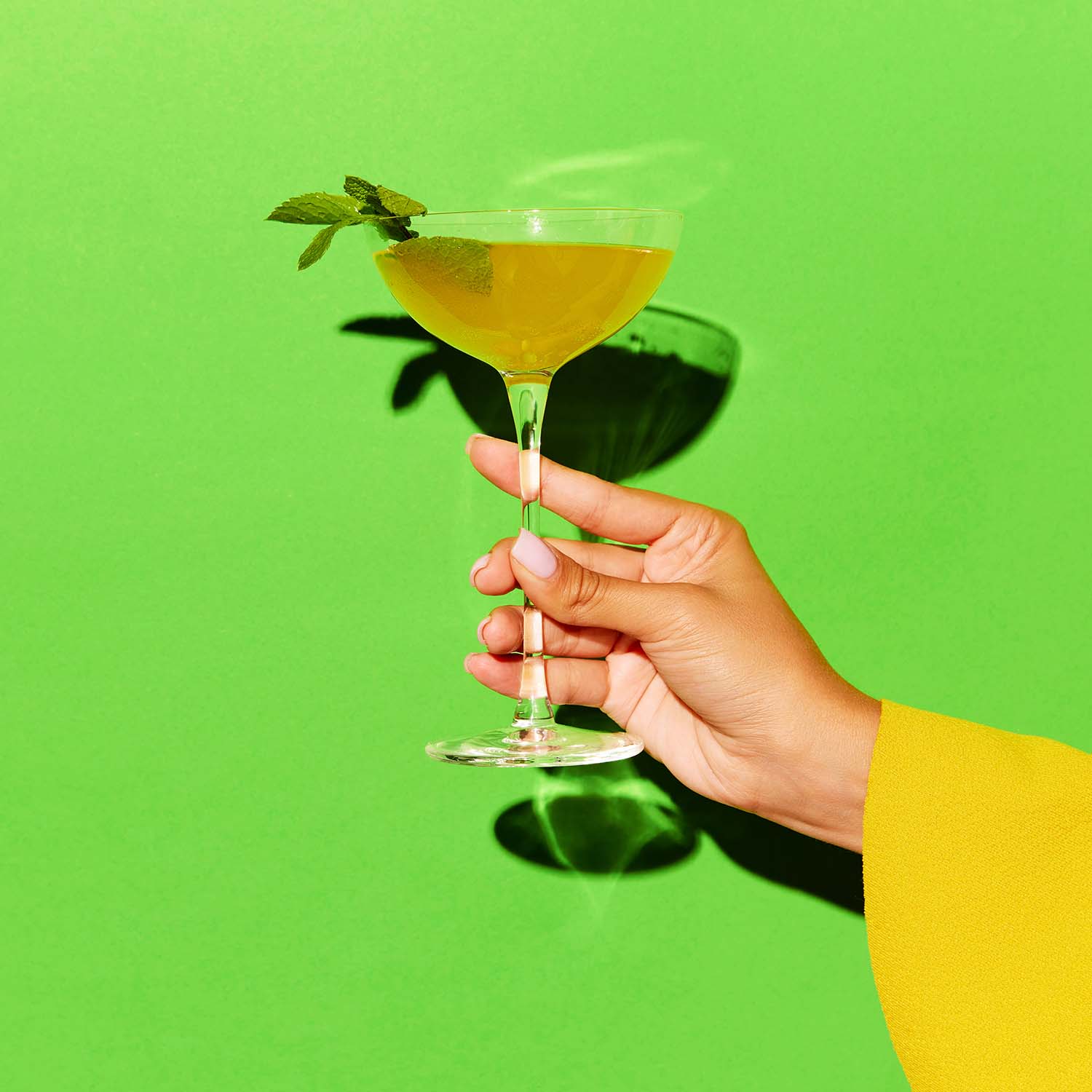




Limoncello
The yellow liqueur from southern Italy made only from lemon peel, best served ice-cold from the freezer. What limoncello is, how to drink it and which glass to serve it in.


The best-known limoncello brands
Two Italian family businesses that show the difference between the lemons of Amalfi and those of Sorrento.
Pallini
Roman family business since 1875, using lemons from the Amalfi Coast. Fresh and bright, and the bottle you see most often in bars.
About Pallini →Villa Massa
With the large, thick-skinned lemons from the Sorrento peninsula, bottled at 30%. Fuller and more intense.
About Villa Massa →Aperol, Campari, Disaronno and Fernet-Branca are also featured on glazen.nl.
Every limoncello lined up, by brand
1 brand and 3 flavors, each with its own page about taste, cocktails and the right glass.


Only the peel, and it contains everything
Limoncello is made from lemon peel, alcohol, sugar and water. That is all, and that is precisely why the quality of the lemons matters so much. The peels steep in pure alcohol for weeks, until it turns bright yellow and all the essential oils have been extracted. Then sugar syrup is added, making the liqueur cloudy: the oils from the peel do not mix with water and remain suspended. The cloudiness is therefore not a flaw but proof that real peel is used.
The lemon juice does not go into it. That is the most common misconception about this liqueur: limoncello is not sour but sweet, with the bitter, aromatic side of the peel underneath. The drink comes from Campania, from the coast near Sorrento, Amalfi and Capri, where the large, thick-skinned lemons that are best suited to it grow. Most brands are between 25 and 30%.
In short
Four bottles from the same shelf
The difference lies in the percentage, sweetness, and whether it contains cream or no alcohol at all.
Pallini Limoncello
Made with lemons from the Amalfi Coast by a Roman family business. Fresh and bright in flavor, and not overly sweet.
Villa Massa Limoncello
Made with lemons from the Sorrento peninsula and bottled at a higher ABV. Fuller and more intense than most.
Limoncello Cream
Limoncello made with added cream: much softer, thicker, and considerably lower in alcohol. More dessert than digestif.

Alcohol-free
The same lemon flavor without the alcohol. You miss the body that alcohol provides, but in a spritz with plenty of bubbles and ice, it is less noticeable.
You can make it at home too with unwaxed lemons, pure alcohol, and sugar syrup. Expect a week or two for it to infuse.
Sweet, intensely citrusy, yet not sour
Lemon peel
Exactly the scent released when you peel a lemon: bright, oily, and aromatic. You can barely smell the alcohol at 26%.
Sweet and full-bodied
Sweet and syrupy, with a huge dose of citrus oil and a bitter edge from the white pith beneath the peel. It is not sour: there is no juice in it.
Long and bittersweet
A long finish in which the sweetness fades and the bitterness of the peel lingers. Serving it ice-cold keeps that balanced.
Flavor profile of a classic 26% limoncello. The cream version is sweeter and creamier; the alcohol-free version scores lower on strength.
Three ways to drink limoncello
Limoncello belongs in the freezer, not the cupboard. At 26%, it will not freeze, but it will become syrupy, which is exactly the point.
Ice-cold after dinner
4 cl in a small glass that you have also chilled in the freezer for half an hour. This is how it is served in Italy: as a digestif after a meal, in one or two sips. Cold noticeably softens the sweetness.
Glass: liqueur glass →As a limoncello spritz
5 cl limoncello in a large wine glass filled with ice, topped with prosecco and a splash of sparkling water, with a slice of lemon. Lighter than drinking it neat and much more approachable on a hot day.
Limoncello spritz →As a sgroppino
Whisk lemon sorbet, limoncello, and prosecco together until frothy. Half cocktail, half dessert, and in Venice the way to finish a heavy meal for centuries.
Sgroppino recipe →Cocktails with limoncello
A liqueur this sweet and distinctive is best enjoyed with bubbles or ice.

Limoncello spritz
Limoncello, prosecco and sparkling water over plenty of ice. The summery version.
Sgroppino
Lemon sorbet, limoncello and prosecco, whipped until frothy. Venetian.
All limoncello cocktails
The complete collection of limoncello recipes at a glance.
Bellini
Peach and prosecco. A splash of limoncello makes it fresher.The right glass for limoncello
A small freezer-safe glass for drinking neat, and a large wine glass for the spritz. These are the glasses we recommend ourselves.


Everything you still wanted to know about limoncello
Can’t find your question here? Check out our cocktail recipes or contact us.
To the cocktail recipes →