

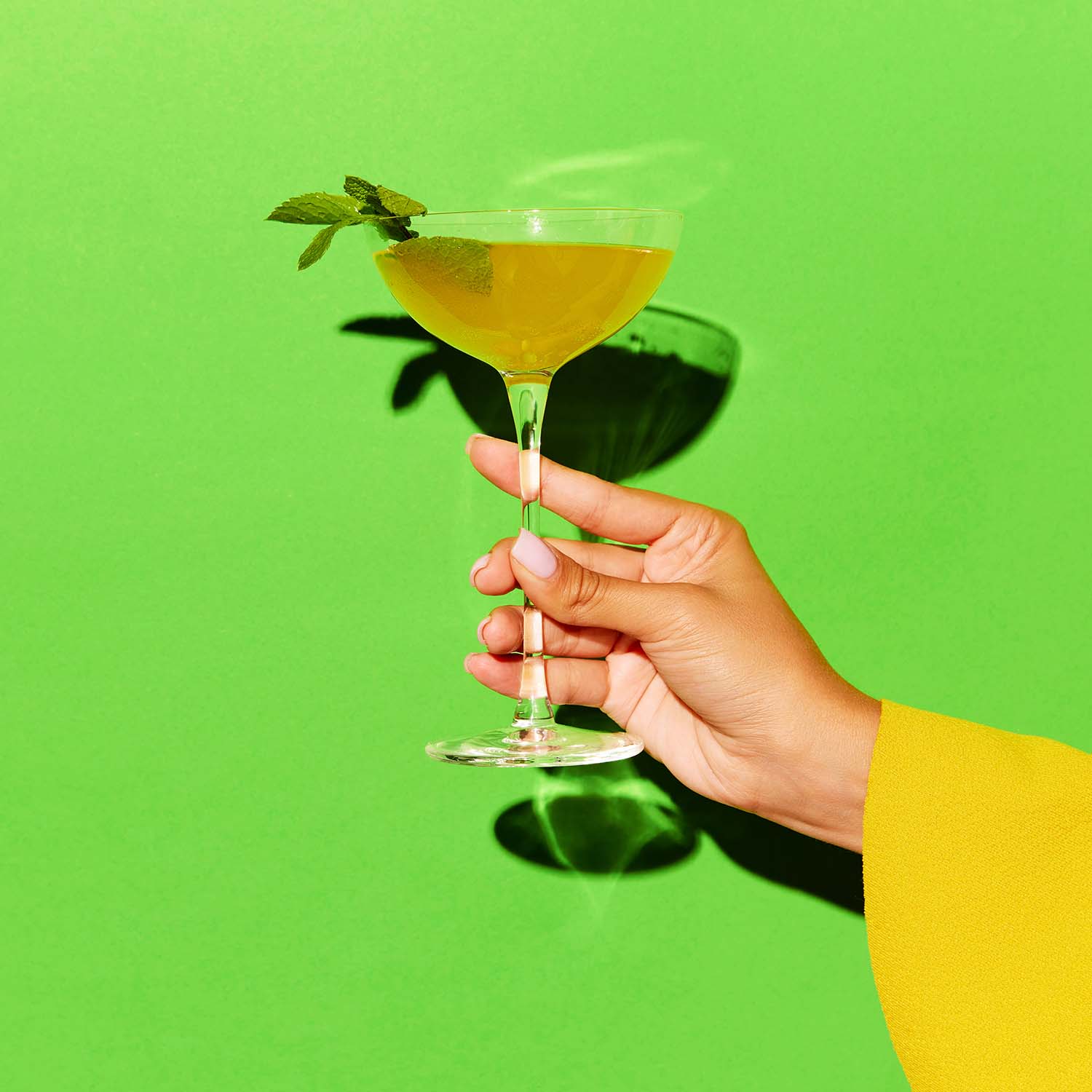




How to pour it
a grappa in
Have a small tulip-shaped stemmed glass ready. Chill young grappa to 10 to 15 degrees; serve aged grappa warmer, closer to room temperature.
Pour 4 cl and hold the glass by the stem so that your hand does not warm the drink.
Grappa is served neat, without ice and without a mixer. In Italy, it is served after the meal, after coffee; this is called ammazzacaffè.
For a caffè corretto, pour 2 cl of grappa into a fresh 2.5 cl espresso and stir briefly.
What did you think of this guide?
One click on a star is enough. If you want to add something, we will read it first before it appears here.
Save this page
Send this page to your own email, so you have the instructions at hand when you are about to pour. You will also receive a €5 discount code when you spend €50 or more, for the glasses that go with it.
The story
When grapes are pressed for wine, a moist cake of skins, seeds and stems is left behind. In Italy, that vinaccia does not go to waste but goes into the still, producing grappa. Because it contains hardly any juice, the pomace is usually steam-distilled, which calls for careful work: distilling too intensely produces bitter notes. Young grappa then goes into steel and remains clear. If it is aged in wood, it eventually becomes an amber-coloured invecchiata, or a riserva if it remains there even longer. A monovarietal grappa is made from a single grape variety, such as moscato or nebbiolo.
The right glass
Grappa goes in a small stemmed glass with a tulip-shaped bowl: a bulge at the bottom that collects the aroma and a neck that narrows slightly, guiding the alcohol vapour past your nose instead of straight into it. The stem is not just decorative; holding the glass by the stem prevents your hand from warming the drink. Eight to ten centilitres is more than enough, since only a few centilitres are poured. Both sets below are also included among the liqueur glasses.

Chef & Sommelier Spirits Grappa Liqueur Glass 10 cl (6 pieces)

Nude Glass Pure Grappa Glass 8 cl (6 pieces)
Both sets together € 74,90.
The right tools
For a grappa, in addition to the glass, use a jigger to measure four centilitres and a bar spoon to stir the shot into the espresso. These are the bar tools we use ourselves; you can find everything in our bar tools & cocktail sets.


Glass set (our pick 01) + 2 bar tools together € 59,85.
What does this go with?
Grappa is not yet in our drinks guide. These are the bottles that come closest: the wine left after the pomace is produced, the grapes used in monovarietale grappa and the Italian bottles served alongside it. On each drinks page, you can read the alcohol percentage, what it tastes like, which cocktails it goes with and which glass you need.


Variations & twists
Giovane and invecchiata are the two main styles: clear and matured in steel versus amber-coloured from wood, with a riserva spending even longer in the barrel. There is also monovarietale grappa made from a single grape variety, such as moscato or nebbiolo, in which you can smell that grape. And there is grappa aromatizzata, infused with herbs or fruit, such as the version with a sprig of rue in the bottle. Read more? View all drinks and brands.
Serving tip
Serve a young grappa at 10 to 15 degrees and an aged one slightly warmer, closer to room temperature. Hold the glass by the stem. In Italy, grappa is served after a meal, after coffee; this is called ammazzacaffè, and with a splash in the espresso it is called caffè corretto.
Good to know
What is vinaccia?
The pomace left over after grapes have been pressed for wine: skins, seeds and stems, with some moisture still in them. This mass is the raw material for grappa. Because it contains little juice, steam is usually used instead of a conventional still.
Can anything be called grappa?
No. The name is protected and may only be used for products from Italy, as well as from the Italian-speaking cantons of Switzerland and San Marino. A similar distillate from France is called marc, from Spain orujo, and from Portugal bagaceira.
Young, aged or riserva?
Giovane is young grappa that rests in steel after distillation and remains clear. Invecchiata has been aged in wood and is therefore amber-coloured; a riserva has been aged there even longer. Young grappa tastes sharper and more grapey, while aged grappa is rounder and woodier.
What is monovarietal grappa?
Grappa made from the pomace of a single grape variety, such as moscato, nebbiolo or pinot. That grape is then stated on the label. Because only one variety is used, you can recognise that grape's character in the aroma.
Caffè corretto or ammazzacaffè?
A caffè corretto is an espresso with a splash of spirits, often grappa. An ammazzacaffè is the small glass served after the coffee, separately. Both are part of the end of an Italian meal.
At what temperature should you serve grappa?
A young grappa at around 10 to 15 degrees, so lightly chilled but not ice-cold. Serve an aged grappa warmer, closer to room temperature, because that brings out the wood better. Too cold makes an aged grappa taste flat.
Frequently asked questions
What is grappa made from?
From vinaccia, the pomace of skins, seeds and stems left over after pressing grapes for wine. This pomace is distilled; grappa is therefore not a wine distillate but a pomace distillate.
How strong is grappa?
Usually around 40 percent, sometimes slightly higher. It is always stated on the label. Grappa is served neat, in portions of a few centilitres.
What glass is used for grappa?
A small, tulip-shaped glass on a stem holding around eight to ten centilitres. The bowl at the bottom collects the aroma and the narrow neck directs the alcohol vapour away; the stem keeps your hand away from the drink.
What is the difference between grappa and marc?
Basically, not much: both are distilled from grape pomace. The difference lies in their origin and name. Grappa comes from Italy, marc from France, and each country has its own rules and style.
Everything for your bar,
to one address
Glasses in hospitality quality, delivered as a set. Order today, delivered quickly.
Shop the glasses →