

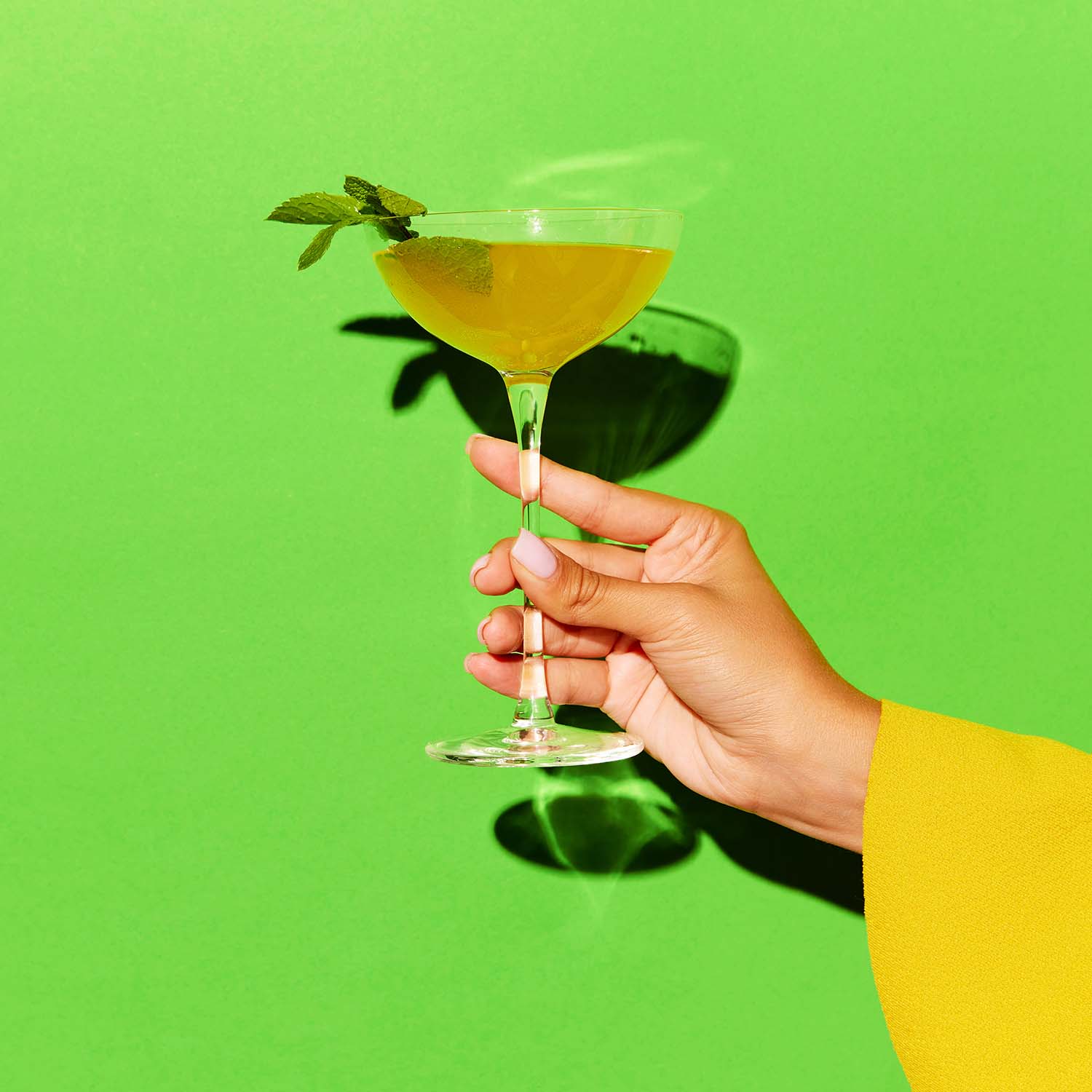




How to pour it
a brandy in
Bring the glass and bottle to room temperature, between 15 and 18 degrees. That’s warmer than the refrigerator and cooler than a warm room.
Pour 4 cl into the tulip-shaped nosing glass. The bowl remains more than half empty, allowing the vapour to collect beneath the narrow rim.
Swirl it once and smell with your mouth half-open, starting from a distance. This keeps your nose from being overwhelmed by alcohol, allowing you to smell the fruit and wood beneath it.
Take small sips, with a glass of water alongside. If the alcohol tastes too sharp, add two drops of cold water and swirl again.
What did you think of this guide?
One click on a star is enough. If you’d like to add something, we’ll read it first before it appears here.
Save this page
Send this page to your own email, so you’ll have the information at hand when you’re ready to pour. You’ll also receive a €5 discount code on orders from €50, for the glasses that go with it.
The story
Brandy starts as wine or fruit juice that first ferments. That fermented juice goes into the still, and what comes out is a clear distillate with much more alcohol than the wine. It then usually goes into oak barrels, where it gains color and flavors of vanilla, coconut, and nuts. The bottle often carries a designation indicating how young the youngest spirit in the blend is. The word itself comes from Dutch: brandewijn, burnt wine, which became brandy in English.
The right glass
The best brandy glass is a tulip-shaped nosing glass on a stem: the bowl provides room, the inward-curving rim concentrates the aromas, and the stem keeps your hand heat away from the drink. The broad balloon that you warm in your hand is the classic image, and we sell it too, but it is now out of fashion: across that large surface, the alcohol evaporates so intensely that it takes center stage and the fruit beneath it gets lost. We place them side by side below; more models can be found among the liqueur glasses.

Schott Zwiesel Bar Special Whisky Tasting Glass 21.8 cl (4 pieces)

Luigi Bormioli Michelangelo Cognac Glass 39.5 cl (4 pieces)
Both sets together € 58,90.
The right tools
For brandy, in addition to the glass, use a jigger to measure 4 cl precisely and, when using brandy in a cocktail such as a sidecar, a shaker. These are the bar tools we use ourselves; you can find everything in our bar tools & cocktail sets.


Glassware set (our choice 01) + 2 bar tools together € 64,85.
What falls under brandy?
The best-known brandy is cognac, alongside armagnac from Gascony, brandy de Jerez from Spain, and pisco from Peru and Chile. In the Netherlands, vieux is also popular. On each drinks page, you can read the alcohol percentage, what it tastes like, which cocktails it works well in, and which glass you need.


Variations & twists
Brandy is also a cocktail base: the sidecar with lemon and triple sec, the brandy Alexander with cream, and the stinger with crème de menthe. For these mixes, choose a younger bottle, because the oak aging of an XO gets lost beneath the other ingredients. Neat, brandy remains an after-dinner drink, whether or not accompanied by coffee. Read more? View all drinks and brands.
Serving tip
Serve at 15 to 18 degrees, 4 cl in a glass of 20 to 25 cl, and place a glass of water beside it. You do not need to warm the wide bowl over a flame; your hand around the bowl does this more evenly, and with a tulip glass it is not needed at all.
Good to know
The name comes from Dutch
Brandy comes from brandewijn: burnt wine. During distillation, the wine was heated, and the name traveled with the trade and became brandy in English. In Dutch, brandewijn still exists as a word, and vieux is its best-known form.
What all falls under brandy?
Anything made from distilled wine or distilled fruit juice. From France, cognac and armagnac; from Spain, brandy de Jerez; from Peru and Chile, pisco; from Italy and France, grappa and marc made from pomace; from Normandy, apple calvados; and also fruit brandies such as kirsch made from cherries, Williams made from pears, and slivovitz made from plums. Dutch vieux belongs alongside them as a brandy-like drink.
Grappa and marc: from pomace
Grappa and marc are not distilled from wine but from pomace: the skins, seeds, and stems left over after pressing. Grappa is the Italian name, marc the French one. They belong to the brandy family, but taste distinctly different from wine brandy.
How brandy is made
First, the juice ferments into wine, then the wine goes into the still, and what comes out is clear and much stronger. It is usually then aged in oak barrels, which is when the colour and vanilla and nut character develop. Finally, it is blended and brought to the right strength for bottling.
VS, VSOP and XO
These designations say something about the youngest spirit in the bottle and therefore how much barrel aging you can expect. VS is the youngest level, VSOP is above it and XO is the oldest. The exact number of years varies by type and origin, so check the label.
The wide bowl versus the tulip glass
The round balloon warmed in your hand is the classic image of brandy, but it has fallen out of fashion. Its large surface allows so much alcohol to evaporate that it reaches your nose first, overpowering the fruit beneath, while your hand warms the drink above 18 degrees. A tulip-shaped nosing glass on a stem concentrates the aromas and keeps the temperature where you want it.
Frequently asked questions
What exactly is brandy?
Brandy is the collective name for spirits distilled from wine or fermented fruit juice. Cognac, armagnac, brandy de Jerez, pisco, grappa, marc and calvados all fall under this category, and in the Netherlands, vieux is included too.
Where does the word brandy come from?
From Dutch. Brandewijn means burnt wine, referring to the heating during distillation, and this became brandy in English.
What do VS, VSOP and XO mean on a bottle?
They go from young to old: VS, then VSOP, then XO. The designation refers to the youngest spirit in the bottle and therefore indicates how much barrel aging you can expect. The exact number of years varies by type and is stated on the label.
Which glass do you use for brandy?
A tulip-shaped nosing glass on a stem. The classic wide bowl warmed in your hand works too, but it has fallen out of fashion because it pushes the alcohol forward and warms the drink. Serve at 15 to 18 degrees.
Everything for your bar,
to one address
Glasses in hospitality quality, delivered by the set. Order today, delivered quickly.
Shop the glasses →