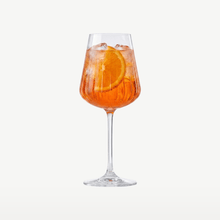
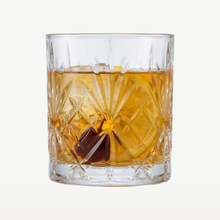
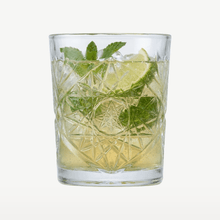
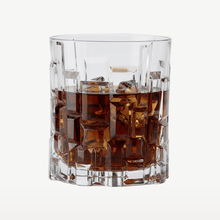
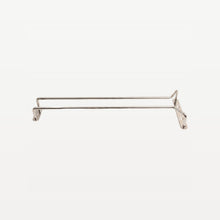
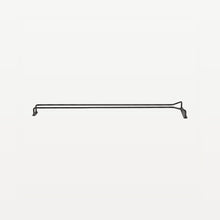
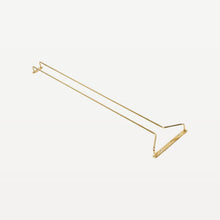
RCR Invino Liqueur Glass 10 Cl - 6 Pieces
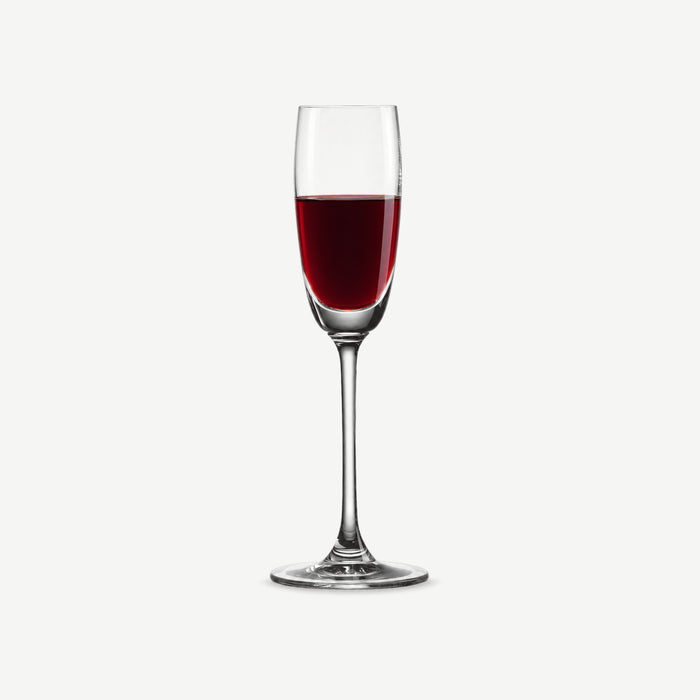
Nude Glass Pure Grappa Glass 8 Cl - 6 Pieces
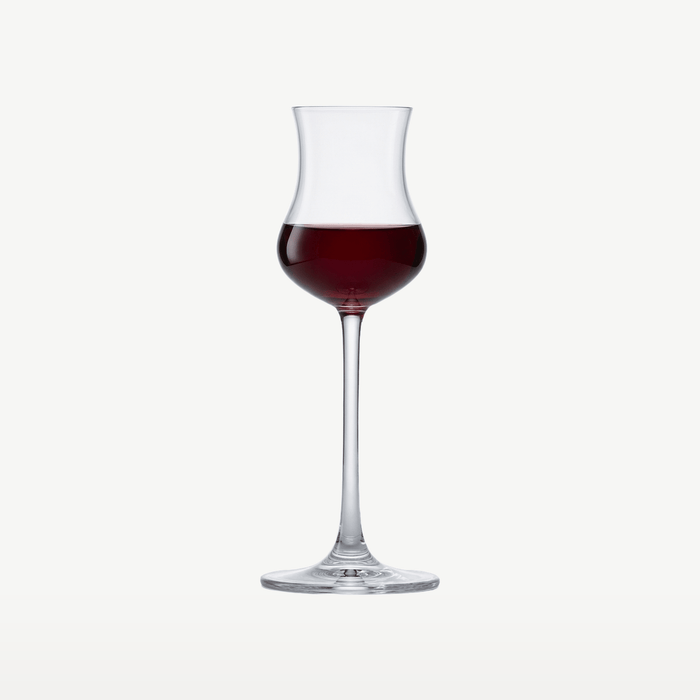
Nude Glass Vintage Port Glass / Grappa Glass 8.8 Cl - 2 Pieces

Pasabahce Tasting Glass/Port Glass 20 Cl - 12 Pieces

How to pour
a madeira in
Put the bottle in the fridge for half an hour, so the wine reaches 12 to 16 degrees. Keep dry Sercial and Verdelho toward the cooler end of that range, and sweet Bual and Malmsey toward the warmer end. Ice-cold works against you, as the cold masks the nutty and caramel notes.
Remove the capsule and pull the cork. Many bottles of madeira have a stopper instead of a long cork, so you can close them again after pouring. If it does have a long cork, keep it, as the bottle will keep for weeks to months after opening.
A decanter is almost never needed for madeira: the wine has already been oxidized and changes very little in the glass. Only a very old frasqueira might have some sediment at the bottom; if so, pour it slowly and stop as soon as you see the cloudy layer approaching.
Pour 6 to 8 cl into a small stemmed glass, about halfway. This keeps the portion modest and leaves room for the aroma to gather. Then close the bottle and store it upright in a cool, dark place; tomorrow and next month, it will pour just the same.
What did you think of this guide?
One click on a star is enough. If you’d like to add anything, we’ll review it before it appears here.
Save this page
Send this page to your own email so you have the information handy when you’re ready to pour. You’ll also get a € 5 discount code on orders over € 50, for the glasses that go with it.
The story
Madeira is an island in the middle of the Atlantic, on the route taken by ships sailing east and west. The wine carried on board came back different after the heat in the hold: not spoiled, but rounder and better preserved. This effect was later replicated in cellars. Simple wines are treated using estufagem, in which the wine is brought to around fifty degrees in heated tanks and left there for months. Better wines follow the canteiro method: barrels in attics, where the sun warms them slowly, year after year. The slower the heat works, the finer the result.
The right glass
Madeira is served in small pours because it contains more alcohol than regular wine and has a concentrated flavor. A stemmed glass of around 14 cl is the right shape for it: pour a little into the bottom and leave room for the notes of nuts, caramel and dried fruit to gather. Our catalog doesn’t have a separate category for Madeira glasses; the style you’re looking for is listed under port glasses and liqueur glasses. Of the two below, the product description for the first glass mentions sherry, port and dessert wine, while the second explicitly mentions Madeira.

Royal Leerdam Carre Sherry Glass 14 cl (6 pieces)

Lehmann Grand Reserve Port Glass 13 cl (6 pieces)
Both sets together € 95,90.
The right tools
For Madeira, you need almost nothing besides the glass: use a nutmeg grater for the Madeira sauce in the kitchen, and cocktail picks to serve the olives, nuts and cheese alongside it. These are the bar tools we use ourselves; you can find everything in our bar tools & cocktail sets.


Glass set (our choice 01) + 2 bar tools together € 70,85.
Which wine goes with this?
Madeira is the wine itself, so these are the wines and drinks served before or after it. Start with wine, and for a sweet finish, take a look at Moscato and Amaretto. On each drink page, you can read about the alcohol percentage, how it tastes, which cocktails it goes with, and which glass you need.


Variations & twists
The four classic grapes represent four levels of sweetness. Sercial is the driest and most sharply acidic, Verdelho is just a little sweeter, Bual is semi-sweet and full-bodied, and Malmsey, made from the Malvasia grape, is the sweetest. Tinta Negra is the island’s most widely planted grape and fills a large share of bottles that don’t name a grape on the label. You’ll also find three years for the simplest wines, five years for reserve, ten years and older for better wines, colheita from a single vintage, and frasqueira, also called vintage, with very long barrel aging. Want to read more? See all drinks and brands.
Serving tip
Madeira is best served at 12 to 16 degrees: dry Sercial and Verdelho on the cooler side, sweet Bual and Malmsey on the warmer side. Half an hour in the fridge is enough. Pour 6 to 8 cl into a small stemmed glass, then put the bottle back in the cupboard; because the wine has already been oxidized, it remains drinkable for months after opening.
Good to know
Why Madeira is heated
In ordinary wine, heat and air are the two enemies. In Madeira, they’re the recipe. The wine is fortified with wine spirit and then deliberately heated and exposed to air, so the compounds that would otherwise cause spoilage later react now. For simpler wines, this is done using estufagem: the wine is placed in heated tanks at around fifty degrees and stays there for months. For better wines, there’s canteiro: barrels kept for years in a warm attic, where the sun does the work. What comes out is already oxidized, so it hardly changes afterward.
The four grapes from dry to sweet
Sercial is the driest and has the most acidity, with a sharp, almost salty impression. Verdelho is medium-dry and a little rounder. Bual is medium-sweet, fuller and darker in tone. Malmsey, made from the Malvasia grape, is the sweetest and richest of the four. There is also Tinta Negra, the island's most widely planted grape; it is used for many bottles that don't list a grape variety and can be made in styles ranging from dry to sweet. So if a grape name appears on the label, you immediately know where it falls on the sweetness spectrum.
What the designations on the label mean
Three-year-old is the simplest category and is generally made using estufagem. Five-year-old appears on the label as reserve, ten-year-old marks the beginning of canteiro wines, and above that you'll find fifteen years and older. A colheita comes from a single vintage and then ages for years in cask before being bottled. A frasqueira, also called vintage, also comes from a single vintage but undergoes very long cask aging, making it the top category. The year on a colheita or frasqueira is the harvest year, not the bottling year.
How long an opened bottle stays good
This is Madeira's practical advantage. Because the wine has already been heated and oxidized before bottling, a little air in a half-full bottle doesn't make much difference. An opened bottle therefore remains usable for weeks to months, whereas an ordinary bottle of wine is already noticeably past its best after a day or two. Seal the bottle tightly, keep it upright, and store it somewhere cool and dark. That makes Madeira one of the few wines from which you can comfortably pour a single glass without the rest going to waste.
Madeira in the kitchen
Madeira is not only a sipping wine but also a cooking wine, especially for sauces. You sauté shallots, deglaze with Madeira, reduce it, and add stock; that is the essence of Madeira sauce. The wine's sweetness and acidity give a sauce depth without needing to add sugar. Freshly grated nutmeg on top is a must. For cooking, a simple three-year-old or a five-year reserve is enough; you wouldn't cook away a ten-year-old or a frasqueira.
What to eat with it
The dry styles, Sercial and Verdelho, work with food: with soup, almonds and olives, and aged cheese. The sweet styles are served at the end of the meal. Bual and Malmsey pair well with nuts, dried figs and apricots, caramel and nut pastries, and dark chocolate. Blue cheese works too, because its saltiness contrasts with the wine's sweetness. A small glass keeps the portion in proportion to the plate beside it.
Frequently asked questions
What is Madeira?
Madeira is a fortified wine from the Portuguese island of Madeira in the Atlantic Ocean. Wine spirit is added, and the wine is then deliberately heated and exposed to air: in heated tanks for simpler wines, or for years in a warm attic for better ones. This gives it flavors of nuts, caramel, and dried fruit, with a pronounced streak of acidity.
How long does an opened bottle of Madeira keep?
Weeks to months. That’s because the wine has already oxidized before it’s bottled, so extra air in a half-full bottle makes little difference. Seal the bottle tightly, store it upright, and keep it somewhere cool and dark. So you can pour one glass without the rest of the bottle going to waste.
What temperature should Madeira be served at?
Between 12 and 16 degrees. Dry Sercial and Verdelho are best at the cooler end of that range, while semi-sweet Bual and sweet Malmsey are best at the warmer end. Half an hour in the refrigerator is enough; serving it ice-cold masks the aromas, while room temperature makes the alcohol stand out too much.
How much alcohol is in Madeira?
Madeira is roughly 17 to 22 percent alcohol, so it’s stronger than regular wine. That’s because wine alcohol is added during or after fermentation. The exact percentage is shown on the label. Because of its higher alcohol content, the serving size is small, around 6 to 8 cl.
Buy Madeira
Want the bottle delivered straight to your door? Order Madeira online at Gall & Gall.
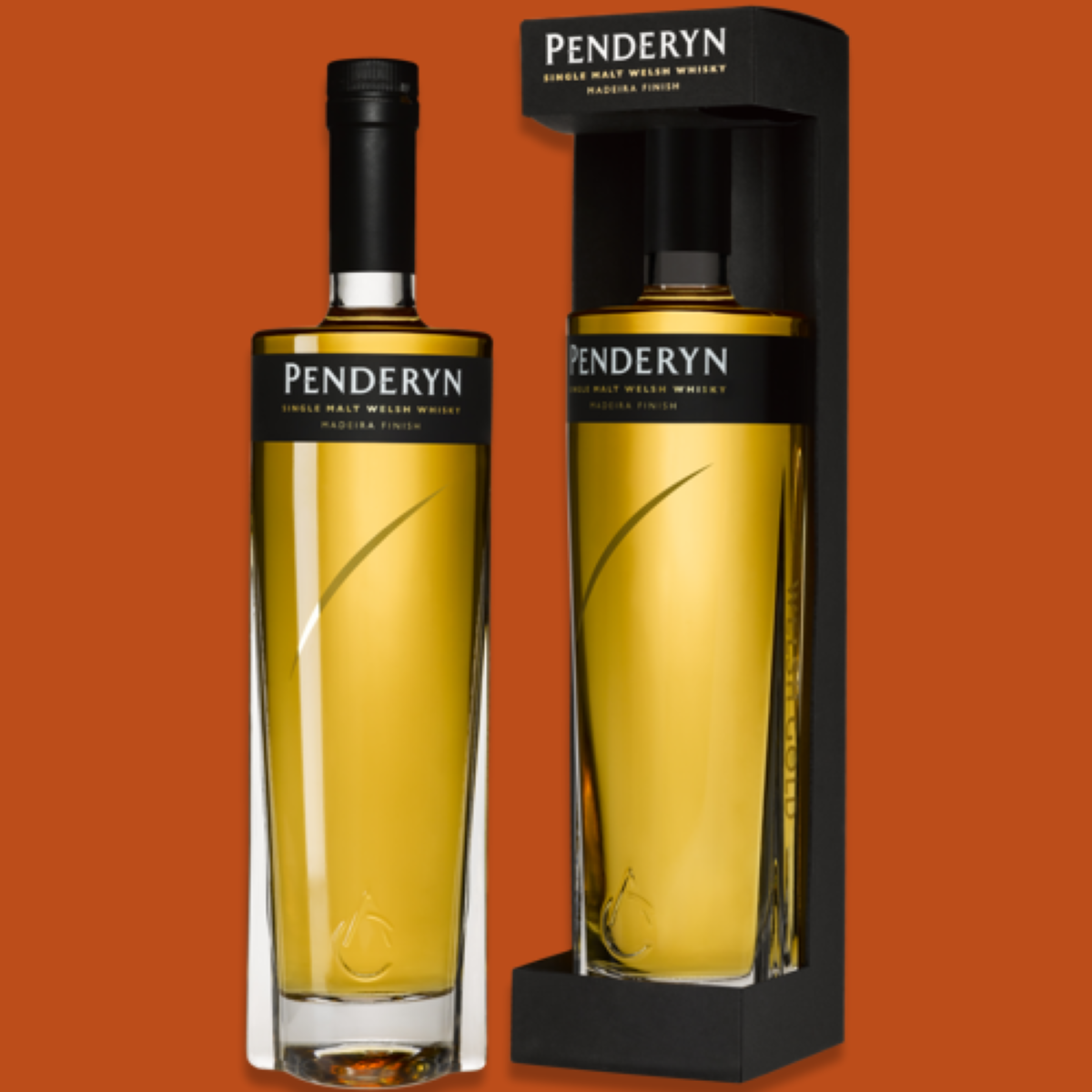
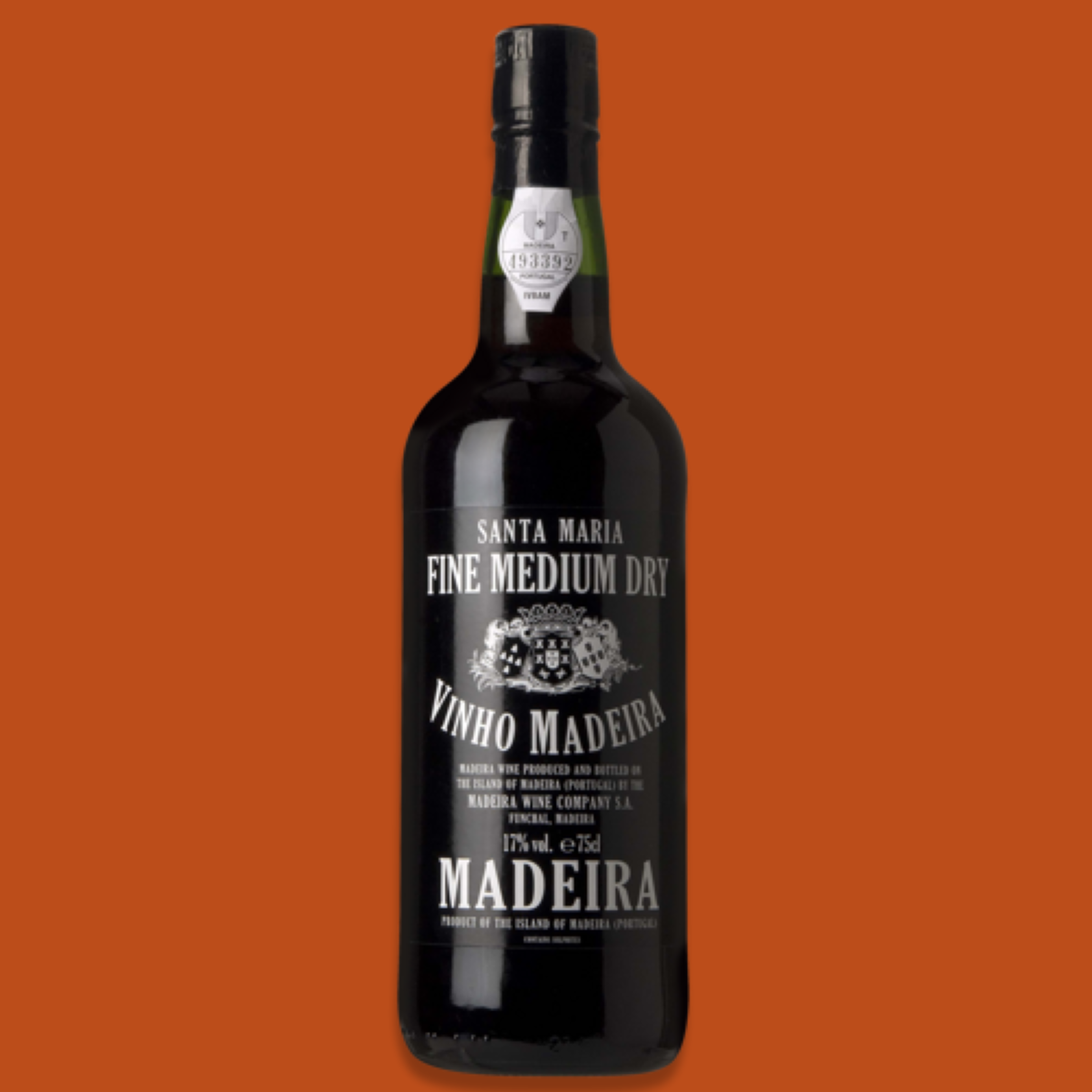
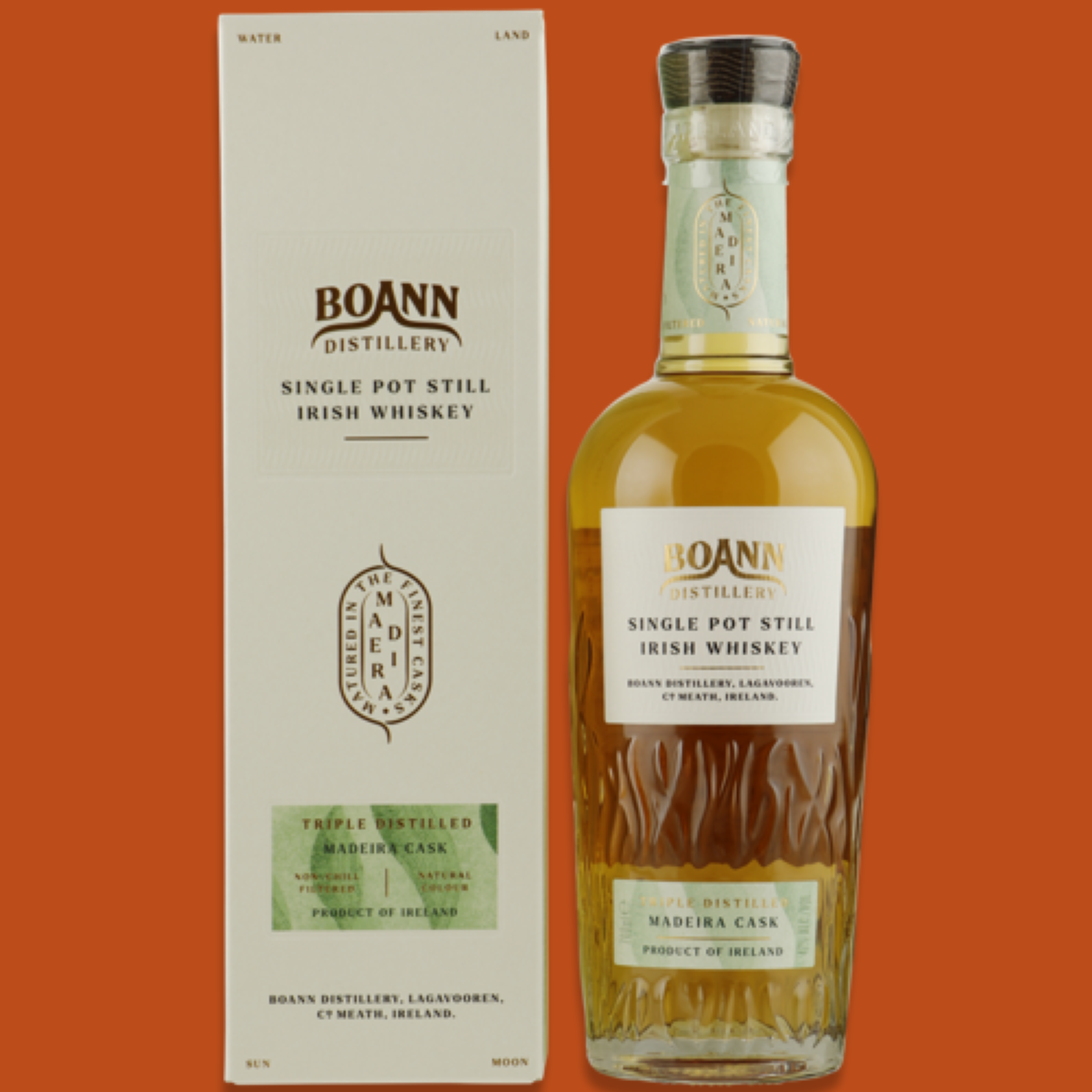
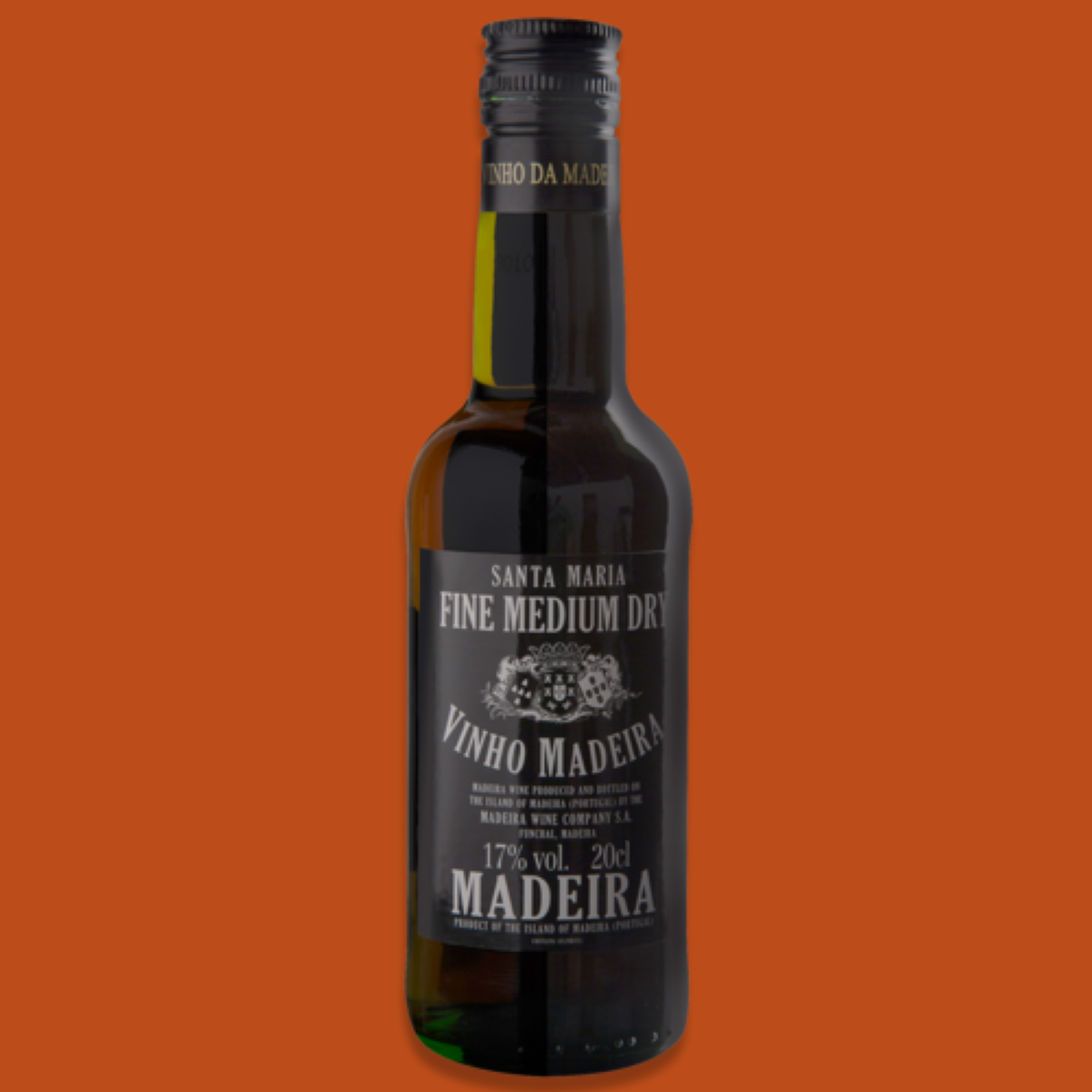
Prices as of November 21, 2026, as provided by Gall & Gall. You can see the current price and availability at Gall & Gall. Glazen.nl receives a small commission if you buy something through these links; you pay nothing extra. No one under 18, no alcohol.
Everything for your bar,
to one address
Hospitality-grade glasses, sold in sets. Order today and get them delivered quickly.
Shop for glasses →