






Portuguese wine
Portuguese wine is more than just port. The Douro, the valley where port comes from, also produces robust dry red wine. In the green north, they make fresh vinho verde, and in the warm south, soft, full-bodied wine from the Alentejo. Almost all from grapes found only in Portugal.

Portuguese wine, by style and grape
Two Portuguese wines are so well known that they have their own page: port and vinho verde. You can also read more about two grapes that grow in Spain too, under a different name.

Port
The most famous Portuguese wine: sweet, fortified and made from the same grapes as the dry Douro wines.
About port →
Vinho verde
Young, fresh wine from the green northwest, often with low alcohol and a slight tingle.
About vinho verde →
Albariño
The aromatic white grape from both sides of the border with Spain, with peach and citrus notes.
About albariño →
Tempranillo
Spain's main grape is called tinta roriz in the Douro and is found in many ports and dry red wines.
About tempranillo →A small country with many native grapes
Portugal is not large, but it has an enormous wealth of native grape varieties. Many of them grow nowhere else. As a result, Portuguese wine tastes different from wine made from cabernet or chardonnay. The Douro, in the north, is the best-known region. Along the river, grapevines grow on steep schist terraces in a hot, dry valley. It is one of the oldest demarcated wine regions in the world. Port is made here, the fortified sweet wine that was traditionally transported to Vila Nova de Gaia near Porto to mature there. Wineries also make powerful dry red wine from the same grapes, such as touriga nacional, touriga franca and tinta roriz.
North of Porto lies the green, rainy Minho, the region of vinho verde. Verde means young here, not green: the wine is drunk young and is light and fresh, sometimes with a slight fizz. Grapes include alvarinho, loureiro and avesso. In the south lies the Alentejo, a warm, flat region with cork oaks. It produces soft, full-bodied red wine and juicy white wine. Portugal is also the world's largest cork producer. Other well-known regions include the Dão, Bairrada and Lisboa. Off the coast lies the island of Madeira, with its own fortified wine.
In brief
Seven bottles, from Douro red to vinho verde
First, two dry red wines from the Douro, made from port grapes, and a smooth red from the Alentejo. Then three fresh white wines from the north and a white blend of Portuguese grapes.
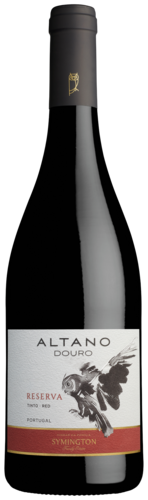
Altano Douro Reserva
From the Symington port family: touriga nacional with some touriga franca, aged in oak. Black and red fruit, roses, vanilla and peppery tannins.

Quinta do Ataíde Tinto Vinha do Arco
Red wine made entirely from touriga nacional, Portugal’s best-known grape, from organic vineyards north of the Douro. Full-bodied and fruity.
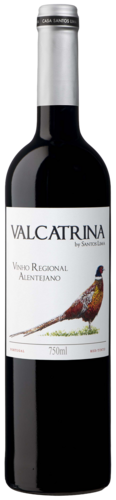
Valcatrina Tinto
Juicy, full-bodied red wine from the warm Alentejo. Plenty of dark fruit, soft tannins and gentle spice.

Espigueiro Vinho Verde
A classic, light vinho verde. Green apple and lime, fresh and thirst-quenching, with low alcohol.

Casa de Compostela Alvarinho
Alvarinho from northern Portugal, the grape known as albariño in Spain. Juicy, with white peach, pear and lemon.

Curvos Loureiro
Loureiro is a native grape from Vinho Verde. It produces aromatic, floral white wine.
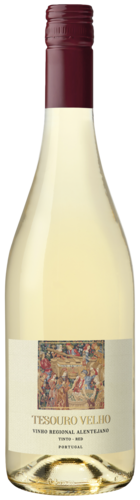
Tesouro Velho Branco
White wine made from three Portuguese grapes: arinto, verdelho and antão vaz. Ripe tropical fruit, citrus and blossom, full-bodied yet fresh.
What is the difference between ruby, tawny and vintage port, and how long can you keep an open bottle? You can read all about it on our port page.
From dark and spicy to light and fresh
Black fruit & flowers
Red wine from the Douro smells of blackberries, plums and black cherries, with a floral note of violets or roses. Vinho verde smells of green apple, citrus and blossom.
Full-bodied or sparkling
Red wine from the Douro is full-bodied, with firm tannins and fresh acidity. Wine from the Alentejo is softer and rounder. Vinho verde is light, fresh and sometimes lightly sparkling.
Spicy or crisp
A Douro red finishes spicy and somewhat peppery. White wine from the north finishes crisp and fresh, with a saline, mineral note.
Flavor profile of an average dry red wine from the Douro. Vinho verde scores lower on power and higher on freshness. Port is a different story altogether: sweet and powerful.
How to serve Portuguese wine
Vinho verde ice-cold, Douro red just below room temperature and port in a small glass.
Red at 16 to 18 degrees
Douro and Alentejo red wine often has 14% alcohol. Around 16 degrees, it stays fresh. A young, full-bodied Douro becomes softer if you pour it into a carafe half an hour in advance.
More about wine temperature →Port in a small glass
Port has more alcohol and is sweet, so serve a small amount. Ruby can be lightly chilled, while tawny should be slightly cooler. An old vintage port with sediment should first be carefully decanted into a carafe.
More about port →Vinho verde extra cold
Serve vinho verde at 6 to 8 degrees, just like a fresh alvarinho. This keeps the wine light and tingling. A fuller white wine from Alentejo can be served slightly warmer, around 10 degrees.
More about vinho verde →Portuguese wine at the table
Portuguese cuisine revolves around fish, grilled meat and hearty stews. The country’s wines are a perfect match: fresh vinho verde with fish, full-bodied reds with meat, and port with cheese and dessert.
Sardines and seafood
Grilled sardines, mussels, prawns, oysters and a fresh salad. The light, briny freshness is perfect with grilled fish.
Bacalhau and chicken
Salt cod, bacalhau, in all kinds of forms, chicken piri-piri and oven-baked fish.
Grilled meat and stew
Lamb, grilled beef, chorizo, stews and game. The full-bodied Douro wines pair well with spicy and fatty meats.
Cheese and dessert
Ruby port with blue cheese and chocolate, tawny with nut tart and pastel de nata.
The right glass for Portuguese wine
Pour Douro red wine into a large red wine glass so the fruit and floral aromas can develop. Drink vinho verde and alvarinho from a smaller wine glass, and port from a small glass. These are the glasses we recommend ourselves.


Everything you still wanted to know about Portuguese wine
Can't find your question here? Read more about wine and food, or get in touch.
To wine and food →What is Portuguese wine?
Is Portuguese red wine the same as port?
What is vinho verde?
What is touriga nacional?
How much alcohol is in Portuguese wine?
What do you eat with Portuguese wine?
Buy Portuguese wine
Want the bottle at home right away? Order Portuguese wine online from Gall & Gall. Gall & Gall has 27, of which 3 are on offer.
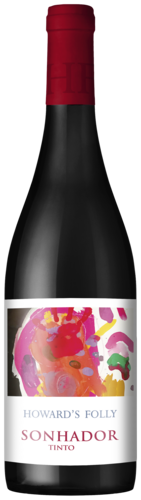
Howard's Folly Sonhador Tinto

Prices as of October 8, 2026, as reported by Gall & Gall. You can find the current price and stock at Gall & Gall. Glazen.nl receives a small commission if you buy something through these links; you pay nothing extra. No 18, no alcohol.