





Châteauneuf-du-Pape
Châteauneuf-du-Pape is the most famous wine of the southern Rhône. It comes from vineyards full of rounded stones, around a village that owes its name to the pope's castle. Usually red, powerful and spicy, with grenache as the main grape. Here you can read how it tastes, which bottles are available and what to eat with it.


The Rhône and its grapes
Châteauneuf-du-Pape is the top wine of a much larger region. Four pages that belong with it.
Rhône
The wine region along the Rhône River, from syrah in the north to the sunny blends in the south.
About the Rhône →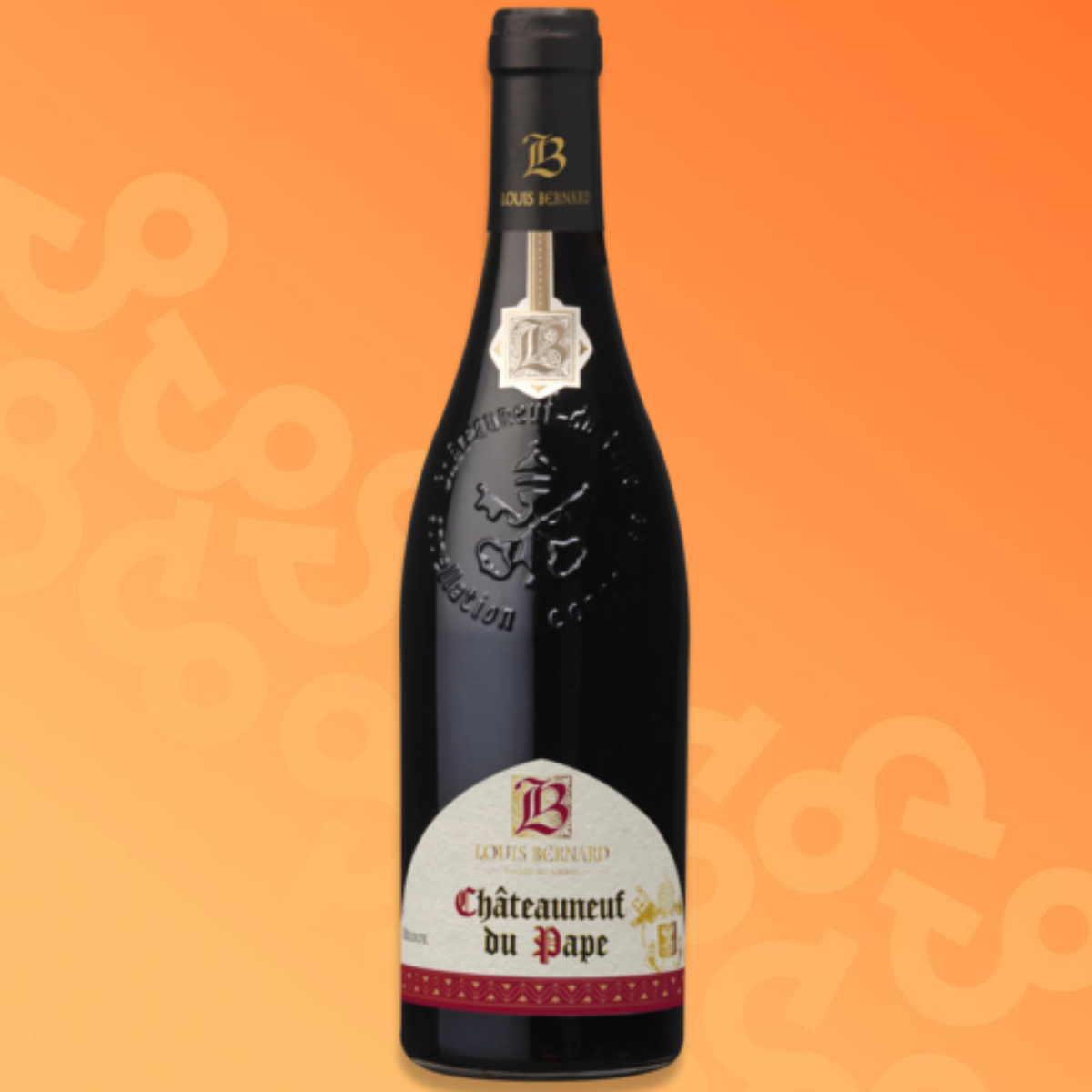
Côtes du Rhône
The region's broad appellation, with the same grapes in a lighter, more approachable style.
About Côtes du Rhône →
Grenache
A grape that thrives in warm conditions and produces ripe red fruit, spices and plenty of power.
About Grenache →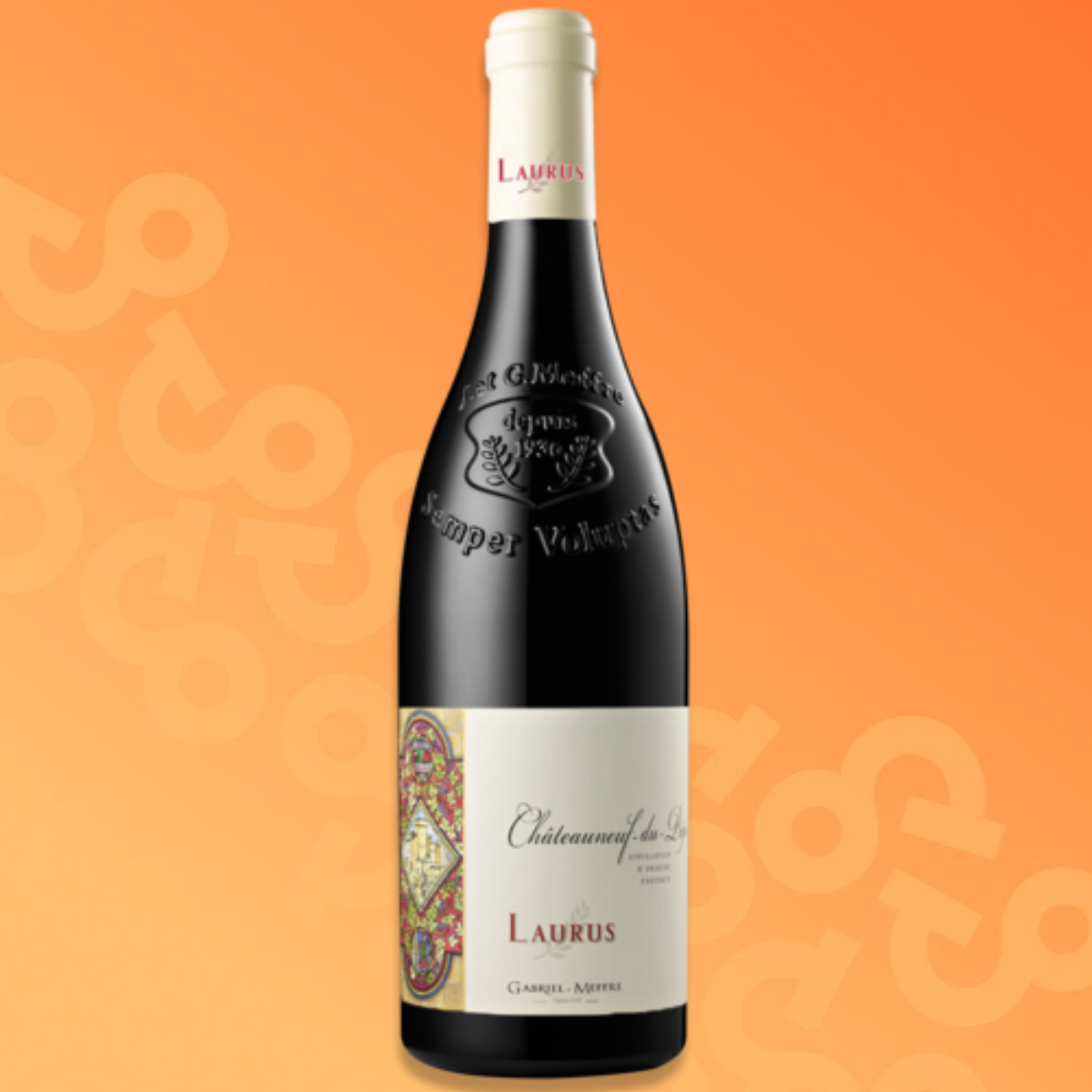
Red wine
The big picture: grapes, aging in wood and the temperature at which to serve red wine.
About red wine →Wine of the popes, on a bed of stones
Châteauneuf-du-Pape is a village in the southern Rhône, near Avignon. In the fourteenth century, the popes resided in Avignon, and Pope John XXII had a castle built here. That is where the name comes from: the pope's new castle. The wine from the surrounding area was initially called vin du pape. The region laid the foundations for the French system of protected origin: the rules were drawn up as early as 1923, and in 1936 Châteauneuf-du-Pape officially became an AOC. In addition to the village itself, parts of Bédarrides, Courthézon, Orange and Sorgues are included.
The galets roulés are particularly striking: large, round stones that the Rhône left here long ago. They absorb heat during the day and release it at night, helping the grapes ripen fully. This partly explains the wine's power and high alcohol content. Eighteen grape varieties are permitted, but in practice it revolves around grenache, complemented by syrah and mourvèdre. This blend is also known as a GSM blend. Almost all Châteauneuf-du-Pape is red. But about one in sixteen bottles is white, made from varieties including roussanne, grenache blanc and clairette. Many bottles feature the papal coat of arms embossed in the glass.
In brief
Six bottles, five red and one white
All the red bottles revolve around grenache, but the proportions of syrah and mourvèdre and the vintage make a difference. The white one you don't often see is at the bottom.
Vidal-Fleury Châteauneuf-du-Pape
Grenache with syrah and mourvèdre. A great wine with cherries, plums, pepper, nutmeg and truffle. Also available in a 150 cl magnum.
Louis Bernard Châteauneuf-du-Pape
Classic blend of grenache, syrah and mourvèdre. Dark berries, spices and firm tannins.
M. Chapoutier Les Grands Merisiers
From a single vineyard: 80% grenache, 15% syrah and 5% mourvèdre. Spicy, with red fruit and licorice.
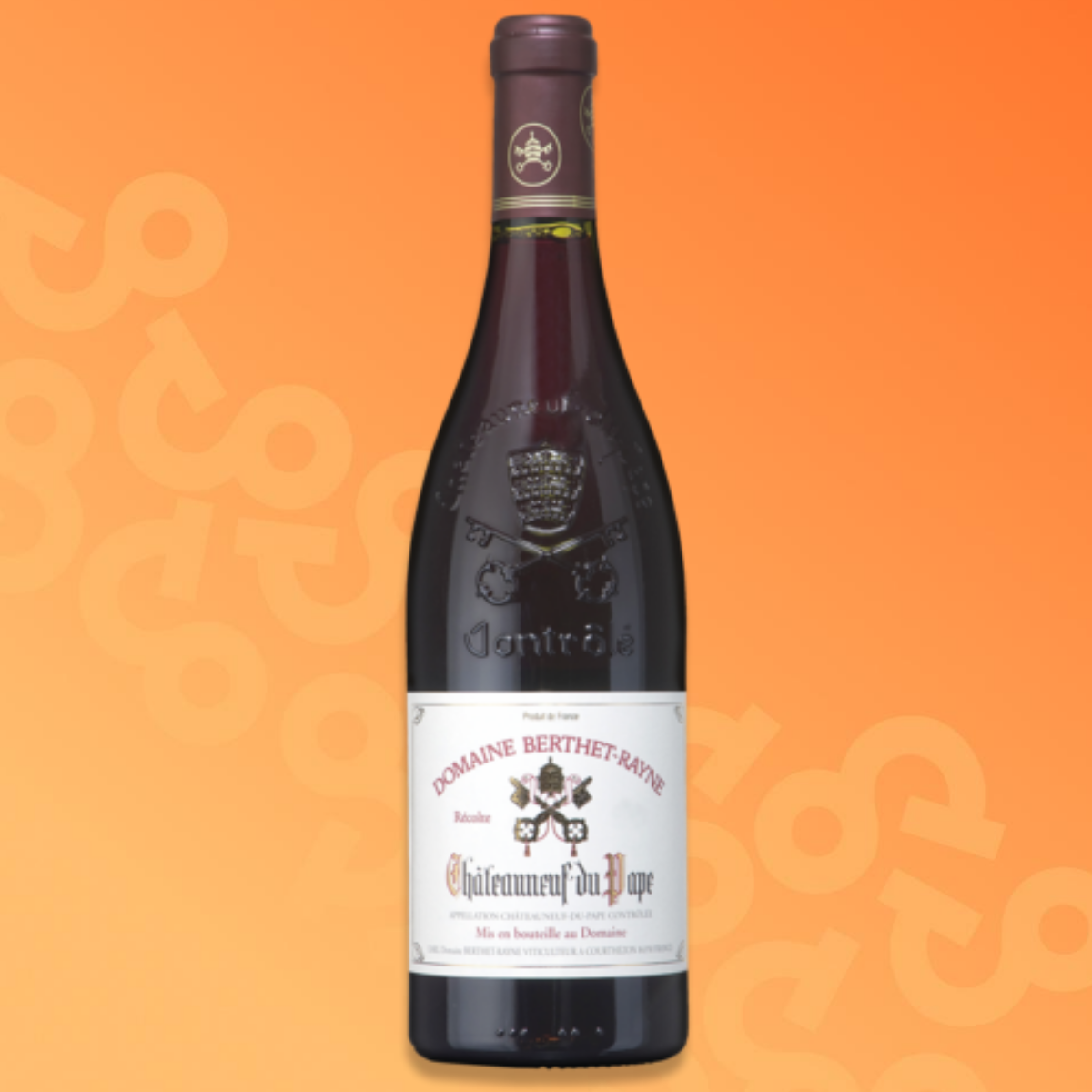
Berthet-Rayne Châteauneuf-du-Pape
From soil covered with rounded stones, with different grapes that together produce a full-bodied red wine.
Laurus Châteauneuf-du-Pape
57% grenache and 43% syrah. A bottle from a slightly older vintage, so it has developed further.
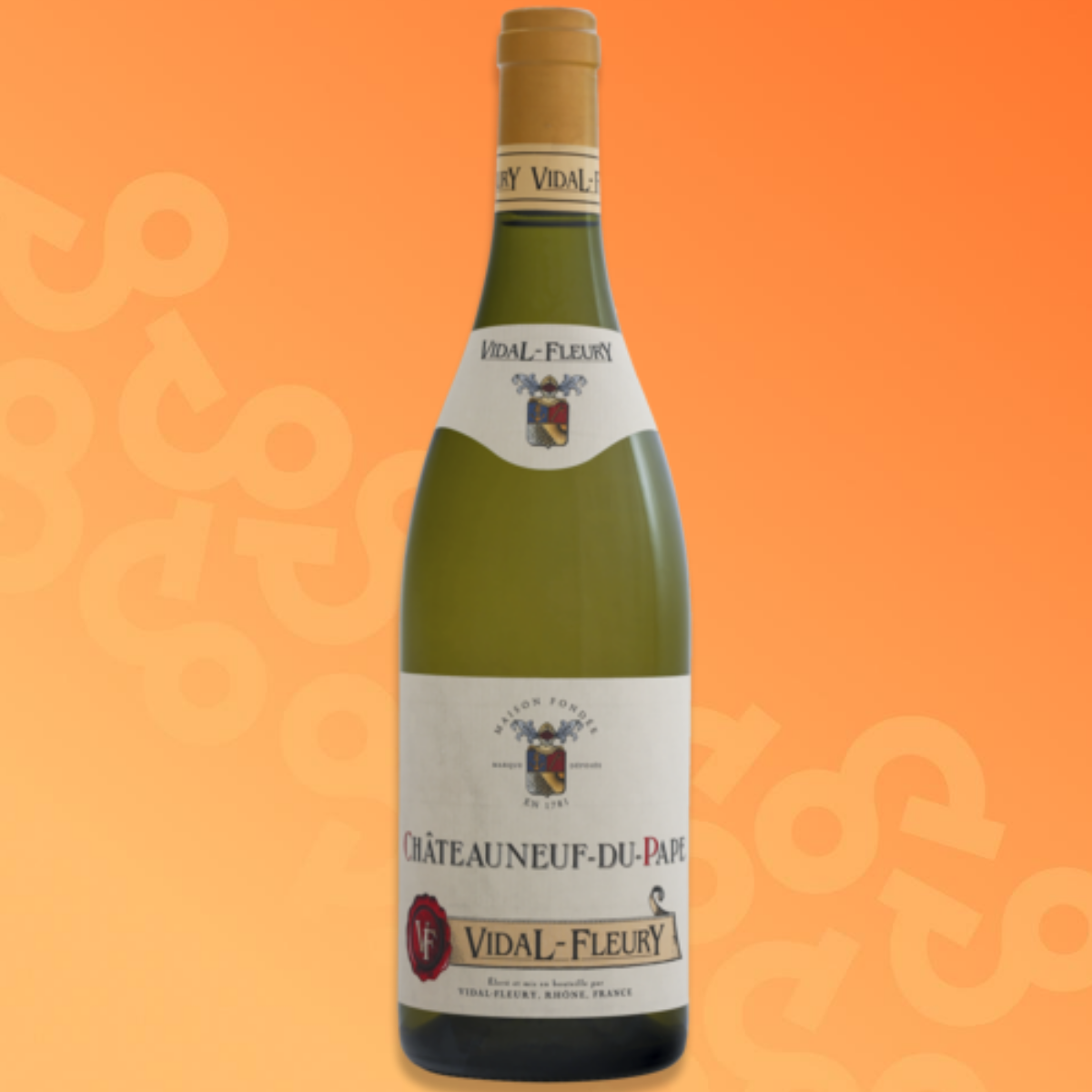
Vidal-Fleury Châteauneuf-du-Pape Blanc
The rare white wine, made from roussanne, grenache blanc and clairette. Full-bodied and rich, with apricot, peach and marzipan.
Côtes du Rhône comes from the same region and uses the same grapes, but is lighter and more approachable.
Ripe red fruit, herbs and warmth
Cherries & garrigue
Ripe cherries, plums and raspberries, with pepper and the herbs of the hills of southern France: thyme, rosemary and bay leaf.
Full-bodied and warm
Powerful and rounded, with soft to firm tannins. Grenache brings ripe fruit and warmth, syrah color and pepper, mourvèdre structure.
Long and spicy
Licorice, spices, and, in an older vintage, leather and truffle. The white finishes full-bodied and creamy, with marzipan and stone fruit.
Flavor profile of an average red Châteauneuf-du-Pape. The white is less powerful and has no tannins.
How to serve Châteauneuf-du-Pape
Not too warm, with some air, and preferably with food.
Red at 16 to 18 degrees
Because of its high alcohol content, a bottle that is too warm quickly tastes heavy. If it is in a warm room, put it in the refrigerator for about fifteen minutes. Serve the white at 10 to 12 degrees.
More about wine temperature →Let it breathe
A young Châteauneuf-du-Pape is often still somewhat closed. Pour it into a decanter half an hour to an hour before the meal. Stand an older bottle with sediment upright a day in advance.
Decanters →Aging is an option
Most red Châteauneuf-du-Pape can be enjoyed young, but they can also age well for several years. Store the bottles horizontally, somewhere cool and dark.
More about decanting →Châteauneuf-du-Pape at the table
A powerful wine calls for hearty food. Think Provençal cuisine: meat with herbs, stews, and mushrooms.
Leg of lamb and herbs
Leg or rack of lamb with garlic, thyme, and rosemary. The herbs in the dish and the wine enhance each other.
Stew and daube
Beef stew, daube provençale, pulled pork, or cassoulet. Slow-cooked meat and a full-bodied wine are a great match.
Game and mushrooms
Venison steak, duck, or mushroom risotto. A somewhat older bottle with notes of leather and truffle is at its best here.
Poultry and lobster
The full-bodied white pairs well with chicken or guinea fowl in cream sauce, lobster, and rich fish dishes.
The right glass for Châteauneuf-du-Pape
Pour red wine into a large red wine glass so it can breathe and its herbs and fruit can come to the fore. For white wine, choose a somewhat larger white wine glass. These are the glasses we recommend ourselves.


Everything you still wanted to know about Châteauneuf-du-Pape
Can't find your question here? Read more about the Rhône or get in touch.
To the Rhône →What is Châteauneuf-du-Pape?
Which grapes are in Châteauneuf-du-Pape?
How much alcohol is in Châteauneuf-du-Pape?
What are the stones in Châteauneuf-du-Pape?
Should you decant Châteauneuf-du-Pape?
What do you eat with Châteauneuf-du-Pape, and which glass should you use?
Buy Châteauneuf-du-Pape
Want the bottle at home right away? Order Châteauneuf-du-Pape online from Gall & Gall. Gall & Gall has 7, 1 of which is on offer.
Prices from October 9, 2026, as provided by Gall & Gall. You can find the current price and stock at Gall & Gall. Glazen.nl receives a small commission if you buy something through these links; you pay nothing extra. No 18, no alcohol.