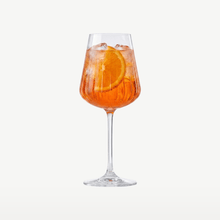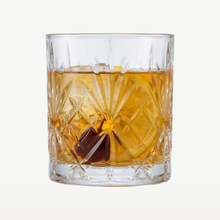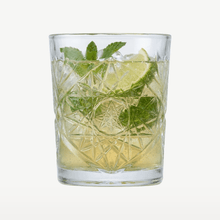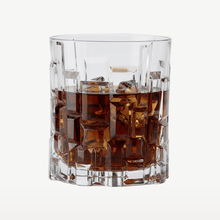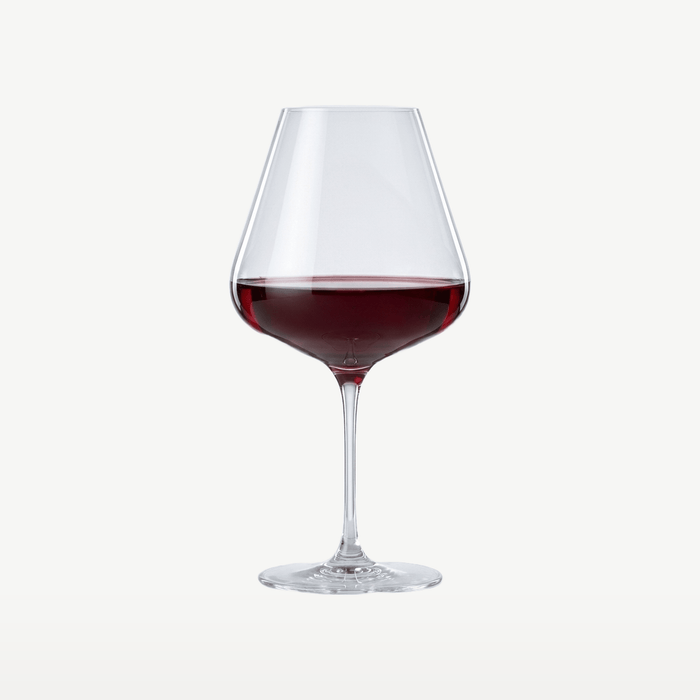
Spiegelau Definition Wine Glass 96 cl Burgundy - 2 Pieces
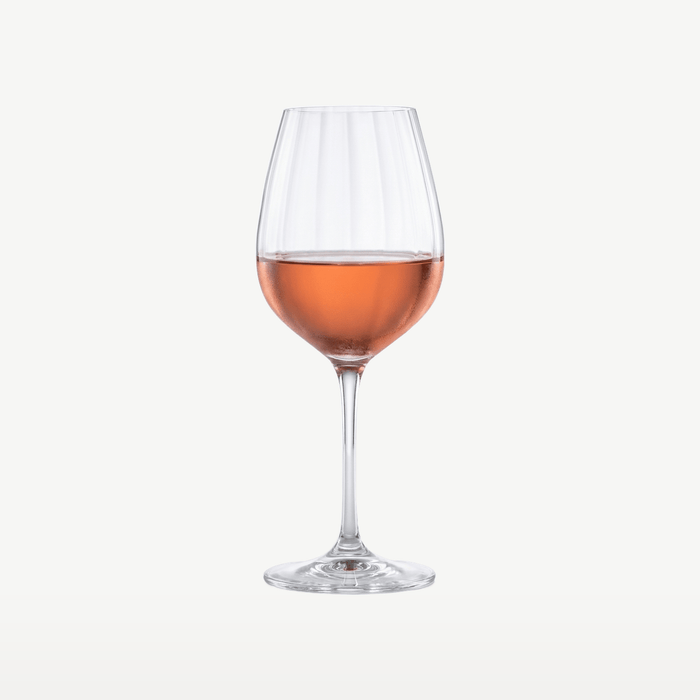
RCR Optiq Wine Glass 45 Cl - 6 Pieces
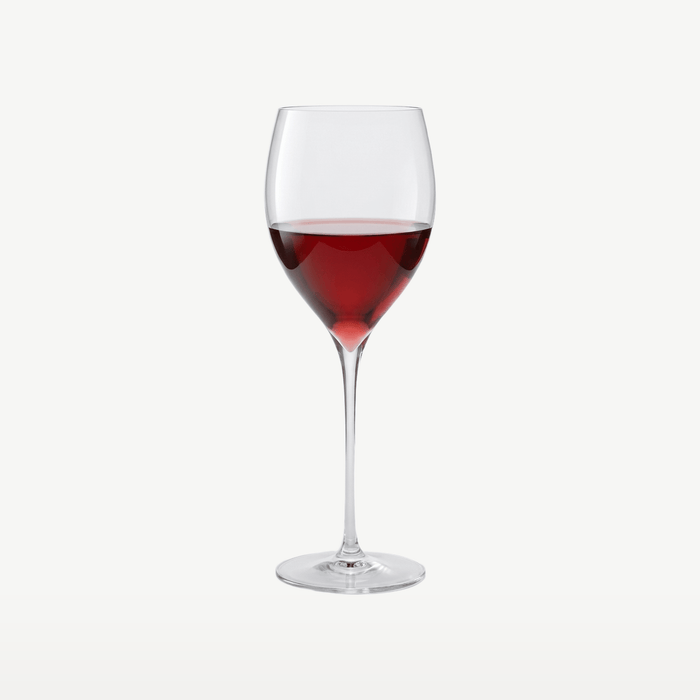
Luigi Bormioli Magnifico Medium Wine Glass 46 Cl - 4 Pieces
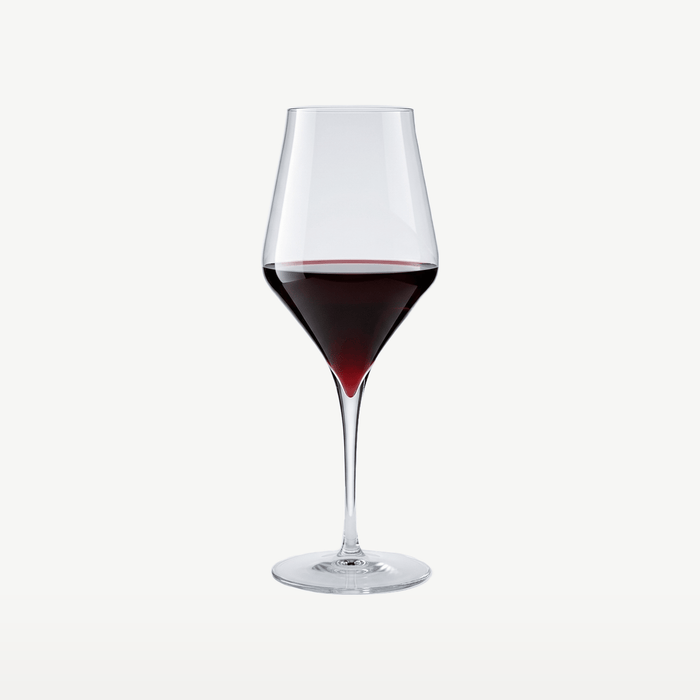
Luigi Bormioli Supremo Bordeaux Wine Glass 55 Cl - 6 Pieces

How to pour
a Grenache in
Put the bottle in the fridge for three quarters of an hour before opening it. A modern room is quickly at twenty degrees, which is too warm for this wine: Grenache is naturally high in alcohol, and above seventeen degrees the alcohol comes through first. At 15 to 17 degrees, the red fruit stays in the foreground.
Cut all the way around the capsule below the lip of the bottle and wipe the rim clean. Center the corkscrew on the cork, turn it straight down, and pull the cork out slowly. With an older bottle, the cork crumbles more easily, so screw in a little deeper.
A young Grenache or a robust blend from the southern Rhône benefits from half an hour in a decanter. Leave an older bottle alone: this grape oxidizes easily, so air works against you rather than in your favor. Pour it straight from the bottle, leaving the sediment behind in the shoulder.
Pour until the glass is about one-third full. In a wide bowl, that leaves room above to swirl, which really helps with this wine: the red fruit and spices only emerge after some exposure to air. It’s better to top up with small pours than to fill the glass all at once.
What did you think of this guide?
Just click a star once. If you’d like to add a comment, we’ll review it before it appears here.
Save this page
Send this page to your own email so you’ll have the information handy when you’re ready to pour. You’ll also get a €5 discount code on orders over €50, for the glasses that go with it.
The story
Grenache comes from Spain, where it’s called Garnacha, and it’s still widely grown there. In Priorat, it grows on old vines that produce very few grapes each, making the wines concentrated and expensive; in Campo de Borja, the same grape produces generous, affordable bottles. In Sardinia, it’s called Cannonau. Across the border in France, it’s the backbone of the southern Rhône, from Châteauneuf-du-Pape to Gigondas, and of rosé from Provence and Tavel. Since it has little color and oxidizes easily, Syrah and Mourvèdre are added almost everywhere for color and structure.
The right glass
Grenache has little color and soft tannins, but plenty of aroma and alcohol. That’s why a wide bowl works better than a tall, narrow Bordeaux shape: the wine gets air across the width, bringing out the red fruit and spices without making the alcohol feel sharp. A glass sold as a Grenache or Garnacha glass isn’t available; the wide balloon-shaped bowls in the large wine glasses collection come closest. If you’re decanting a young bottle, take a look at the decanters too.

Zwiesel Glas Vuelo Burgundy Glass 84.8 cl (2 pieces)

RCR Universum Wine Glass 55 cl (6 pieces)
Both sets together € 72,95.
The right tools
For a bottle of Grenache, you'll mainly need a corkscrew and, for a young bottle, a decanter in addition to the glass. The bar tools below only come into play when the bottle is used for sangria or tinto de verano: a bar spoon for stirring and a citrus juicer for the juice. These are the bar tools we use ourselves; you'll find everything in our bar tools & cocktail sets.


Glass set (our choice 01) + 2 bar tools together € 63,90.
What to serve alongside?
A bottle of Grenache is rarely served on its own. These are the wines to enjoy before, alongside, or after it, from a glass of cava beforehand to a moscato with dessert. Each drink page tells you the alcohol percentage, what it tastes like, which cocktails go well with it, and what glass you need.


Variations & twists
The same grape produces very different wines. In the southern Rhône, Grenache is the base of a blend: Châteauneuf-du-Pape and Gigondas are the best-known names, blended with Syrah and Mourvèdre. In Spain, it's called Garnacha; in Priorat, it grows alongside Cariñena on old vines, while Campo de Borja offers a much more approachable style. In Provence and Tavel, it's used to make rosé, and in Sardinia it's called Cannonau. If the label only gives a region name, check the back label; it usually lists the grapes used. Want to read more? Browse all drinks and brands.
Serving tip
Serve at 15 to 17 degrees and don't place the bottle next to the oven or the heater, because at higher temperatures the alcohol will overpower the wine. Grenache pairs best with slow-cooked meat: a stew with thyme and rosemary, oven-roasted lamb shoulder, or beans simmered with sausage. Spiced dishes also work well, from merguez to a tagine with olives, because the soft tannins don't get in the way.
Good to know
Garnacha, Grenache and Cannonau
It’s the same grape under three names. In Spain, where it comes from, it’s called Garnacha; in France, Grenache; and in Sardinia, Cannonau. So the name tells you something about where the bottle comes from, not its quality. On labels from the southern Rhône, the grape’s name is often left off altogether because the region’s name takes precedence.
Why Grenache is almost always blended
The grape brings plenty of aroma, high alcohol and soft tannins, but little color, and it oxidizes easily. Syrah adds color and peppery structure, while Mourvèdre contributes tannins and aging potential. You’ll find this combination in the southern Rhône and in many Spanish wines. Grenache is also bottled on its own, and it’s usually lighter in color than you’d expect from its taste.
Priorat’s old vines
In Priorat, vineyards with old Garnacha vines grow on steep slate slopes. Old vines produce very few grapes per plant, and those grapes are more concentrated. It’s labor-intensive, yields per hectare are low, and that’s reflected in the price of a bottle from the region. In Campo de Borja, the same grape offers a much wider and cheaper selection.
From red to rosé
Grenache is also used in many rosés. In Provence, it’s blended with Cinsault to make a light, pale style, while in Tavel, a Rhône appellation that makes only rosé, it produces a darker, more full-bodied wine. The main difference is how long the juice stays in contact with the skins.
How much alcohol it contains
A Grenache or Grenache-based blend usually contains roughly 14 to 15.5 percent alcohol. The grape ripens fully in warm regions and produces a lot of sugar, which turns into alcohol during fermentation. The exact percentage is always on the label.
Frequently asked questions
Are Grenache and Garnacha the same grape?
Yes. Garnacha is the Spanish name, and the grape also comes from Spain; Grenache is the French name, and in Sardinia it’s called Cannonau. It’s the same grape; the name mainly tells you which country the bottle comes from.
What does Grenache taste like?
Ripe red fruit and strawberry up front, followed by spice and sometimes a hint of dried herbs. The tannins are soft and the color stays fairly light, while the alcohol content is high. This makes the wine feel full-bodied without being harsh.
At what temperature and in what glass should you serve Grenache?
Between 15 and 17 degrees, in a wide-bowled glass of roughly 55 cl or more. In a modern home, room temperature is easily around twenty degrees, and then the alcohol comes through first. Forty-five minutes in the fridge brings the bottle to the right temperature.
What to eat with Grenache?
Beef stew is the perfect match: a casserole with thyme and rosemary, oven-roasted lamb shoulder, or stewed beans with sausage. Spicy dishes also pair well, from merguez to a tagine with olives, because the tannins are soft and don't get in the way.
Also delicious
Buy Grenache
Want the bottle delivered straight to your door? Order Grenache online from Gall & Gall. Gall & Gall has 5, 2 of which are on sale.
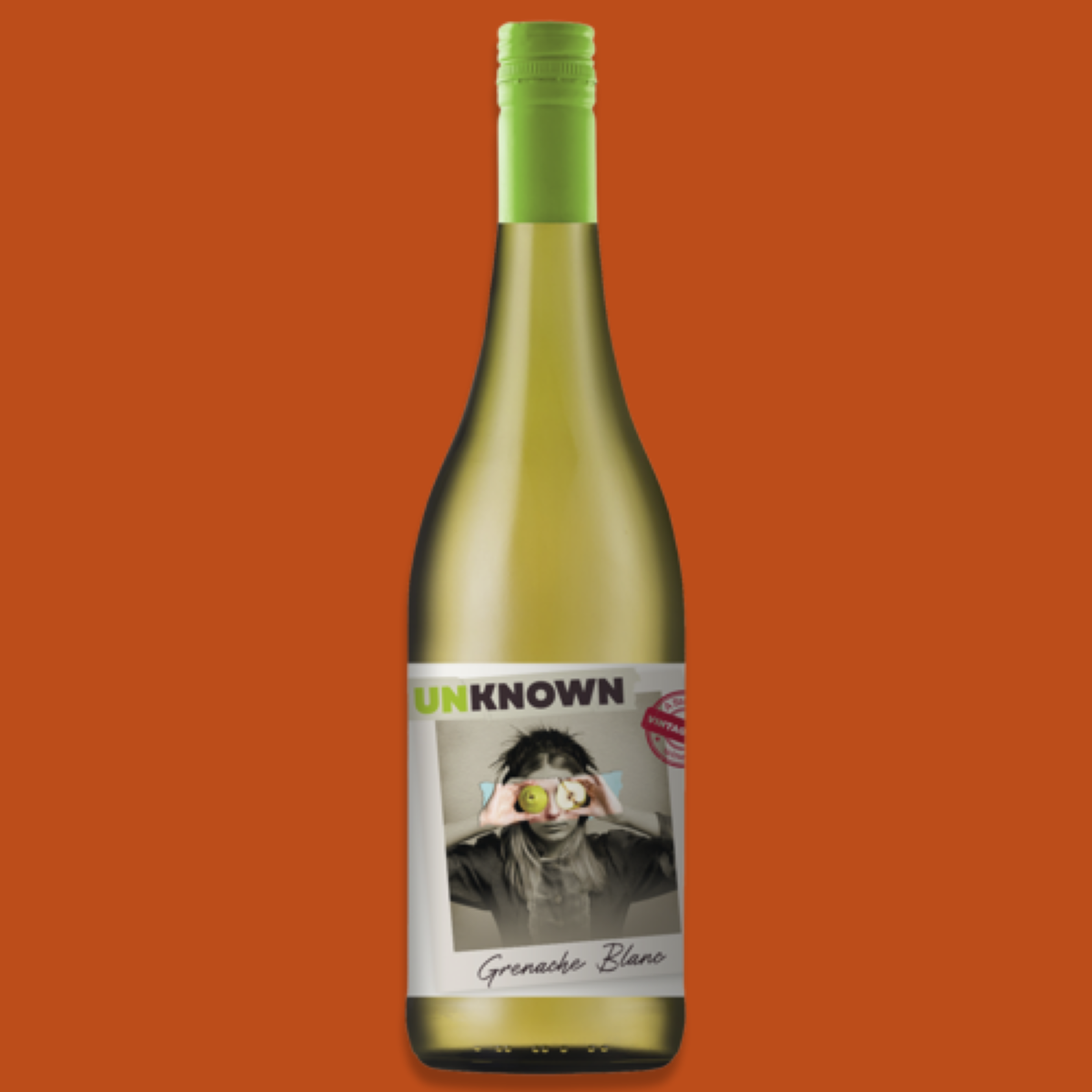
Unknown Grenache Blanc
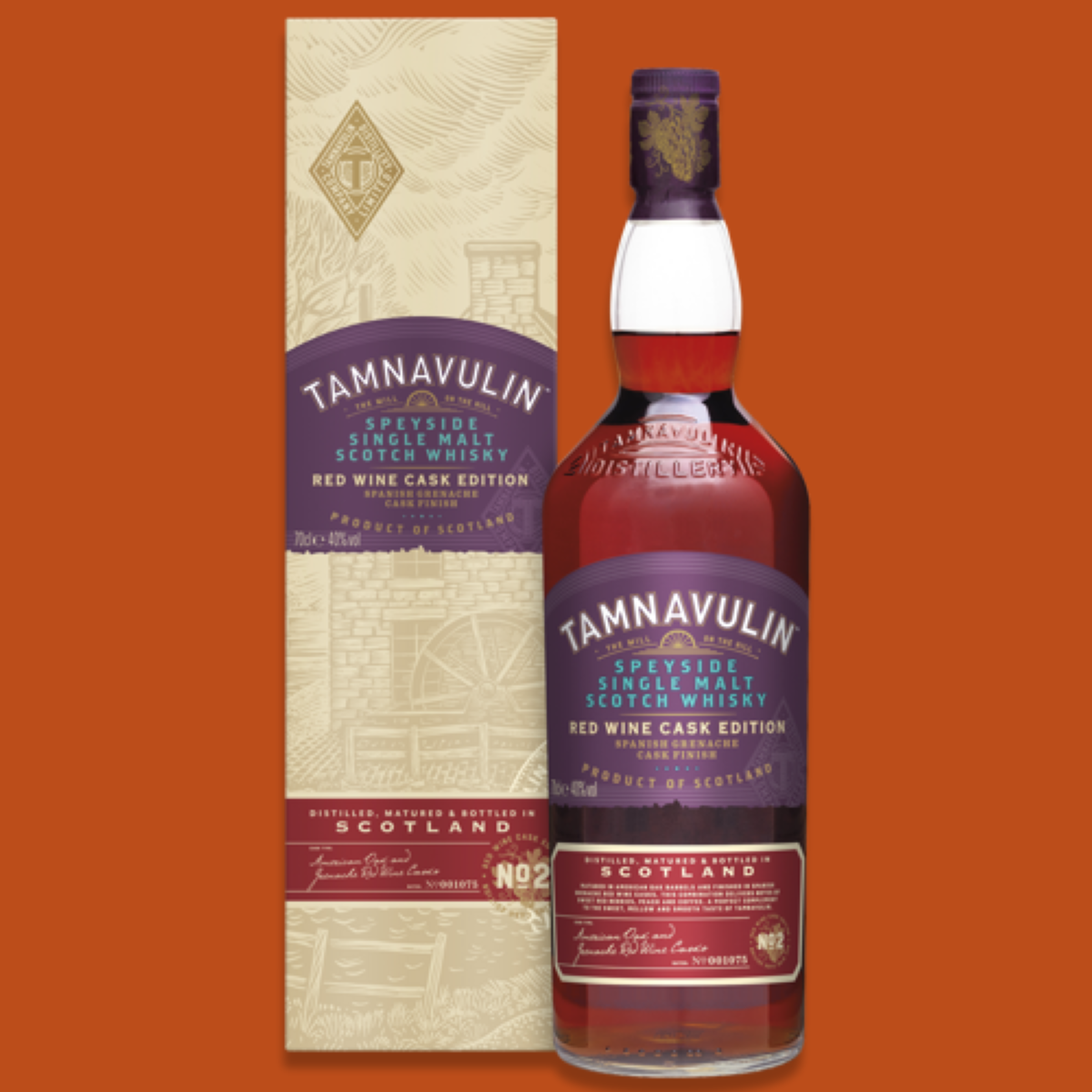
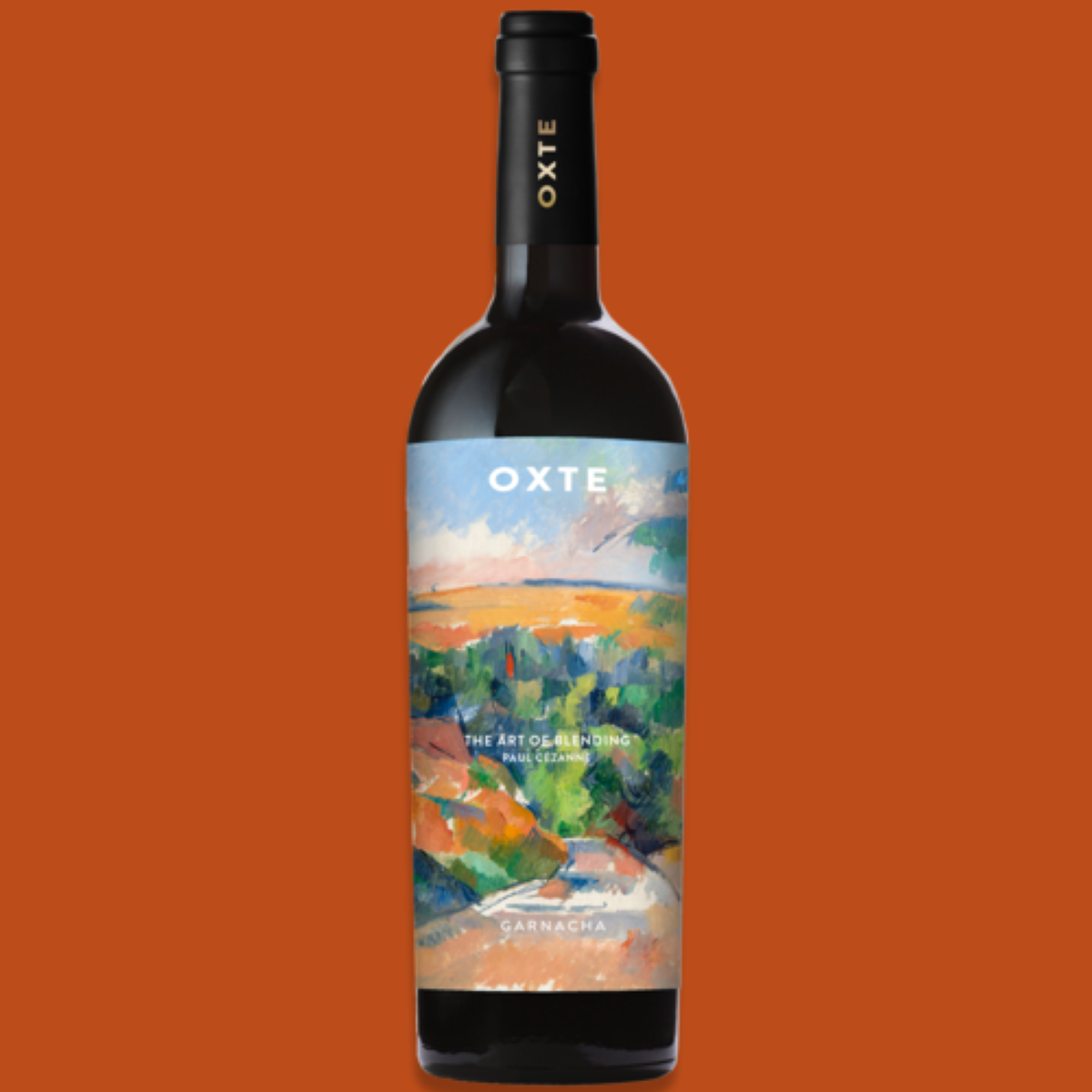
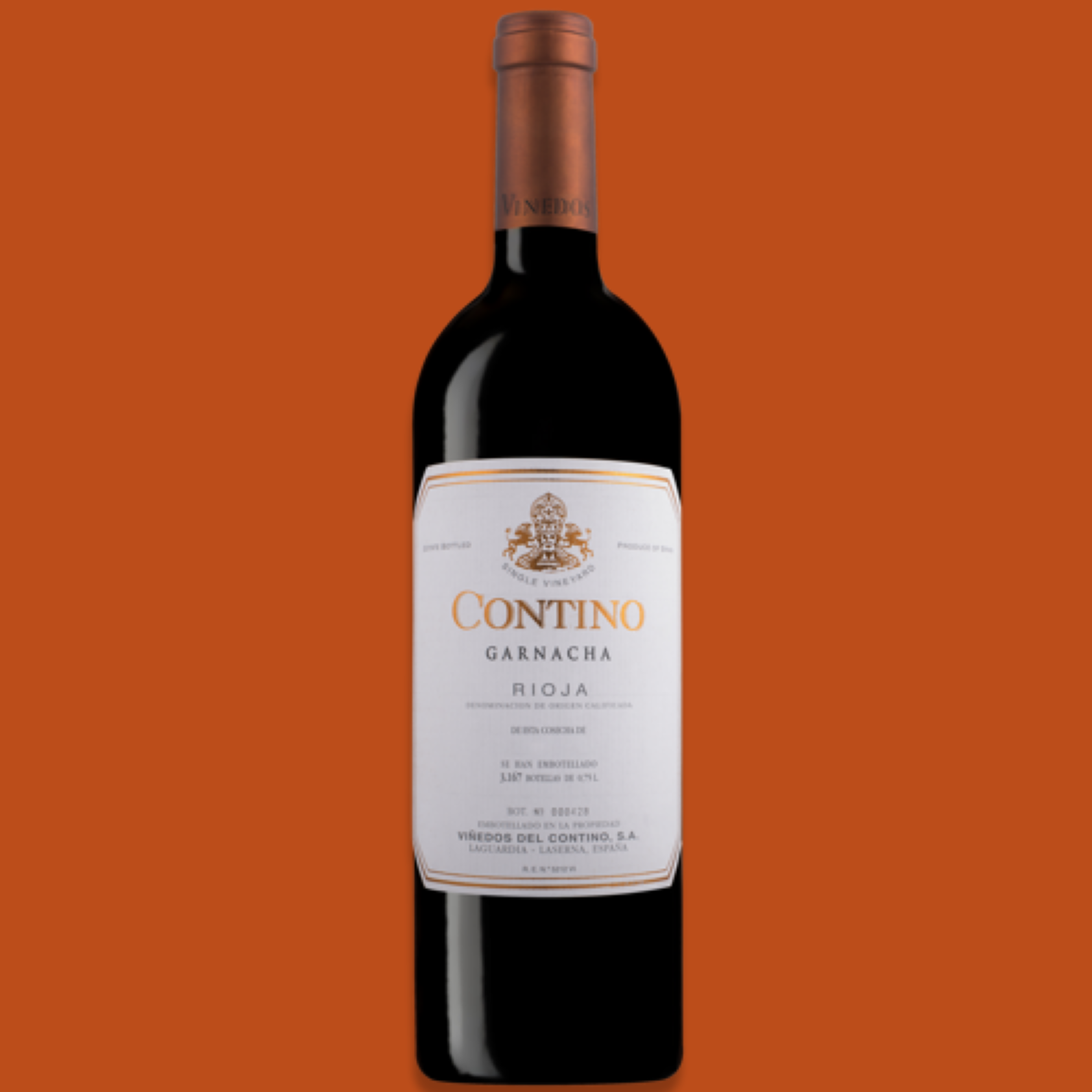
Prices as of November 21, 2026, as provided by Gall & Gall. You can check the current price and stock at Gall & Gall. Glazen.nl receives a small commission if you buy something through these links; it won't cost you anything extra. No one under 18, no alcohol.
Everything for your bar,
to one address
Glasses in restaurant quality, sold in sets. Order today, delivered fast.
Shop the glasses →