





Spanish wine
Spain is one of the world's largest wine-producing countries. It is best known for red wine made from tempranillo in Rioja and Ribera del Duero, often aged in oak. It also produces fresh white wine from Rueda and Galicia, rosado from Navarra, cava from Catalonia and sherry from the south.


The most important Spanish wines and regions
We have a dedicated page about Spain's best-known regions, grapes and wineries. You can find them all together here.

Rioja
The best-known Spanish wine, explaining the differences between crianza, reserva and gran reserva.
About Rioja →
Ribera del Duero
Darker and more powerful than Rioja, made from tempranillo at high altitude.
About Ribera del Duero →
Verdejo
The white grape of Rueda, producing fresh wine with tropical fruit and a spicy edge.
About verdejo →
Albariño
Crisp, fresh and lightly salty white wine from Galicia, made for fish and shellfish.
About albariño →
Cava
Spanish sparkling wine, made like champagne with a second fermentation in the bottle.
About cava →

Torres
One of Spain's best-known wine families, known for Viña Sol among other wines.
About Torres →From bone-dry fino to sweet Pedro Ximénez: the fortified wine from southern Spain has its own page.
Sun, high plateaus and oak
Spain has a vast area of vineyards, stretching from the green Atlantic coast in the northwest to the hot plains of the interior. Much of the best red wine comes from high-altitude areas in the north, where warm days and cool nights create ripe fruit with freshness. The main grape is tempranillo, called tinta del país in Ribera del Duero and tinta de Toro in Toro. Garnacha is also important, the grape known as grenache in France, along with monastrell, mencía and graciano. The best-known white grapes are verdejo, albariño and viura (macabeo).
A typical feature of Spanish wine is the long aging of red wine in oak, traditionally often American oak in Rioja, which imparts notes of vanilla and coconut. The label indicates how long a wine has been aged. A joven is young and fruity, with little or no oak. A crianza has been aged for at least two years, part of that time in barrels. A reserva is aged longer, and a gran reserva the longest, with several years in barrels and in the bottle. Each region has its own rules for this. Roble means oak and indicates a short period of oak aging. The protected designation of origin is called DO; Rioja and Priorat have the higher DOCa status. Cava is mainly made in Catalonia, and sherry comes from the area around Jerez in Andalusia.
In brief
Seven bottles, from cava to reserva
Three Tempranillos with increasing amounts of oak aging, followed by two fresh white wines, a rosado and cava.
Cune Rioja Crianza
85% Tempranillo blended with Garnacha and Mazuelo, aged for twelve months in oak. Dark fruit with a hint of vanilla.
Ondarre Rioja Reserva
Aged for one year in oak barrels and then further in the bodega. Full-flavored, with notes of vanilla.
Cune Ribera del Duero Roble
Tempranillo from high-altitude vineyards with a large difference between day and night temperatures, briefly aged in oak.
Marqués de Riscal Rueda Verdejo
Fresh Verdejo from Rueda, bursting with tropical fruit. A good example of the region's style.
Torres Pazo das Bruxas
Albariño from Galicia. Crisp and fresh, with lemon, fennel and white flowers.
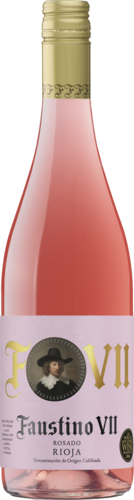
Faustino VII Rosado
Rosé made from one hundred percent Tempranillo. Very fruity, with strawberry, cherry and red berry notes.
Cune Cava
Dry cava that, like champagne, undergoes a second fermentation in the bottle. Fresh and lively.
What exactly is the difference between crianza, reserva and gran reserva? You can read about it on our Rioja page.
Ripe fruit, vanilla and spices
Cherries & vanilla
Spanish reds smell of red and black cherries, plums and berries. Oak aging adds vanilla, coconut, tobacco and sweet spices. The longer the aging, the more leather, dried fruit and cigar box notes emerge.
Soft and round
A joven is juicy and fruity. Crianza and reserva are rounder and softer, with supple tannins. Ribera del Duero is usually fuller-bodied and darker than Rioja.
Warm and spicy
The finish is often warm, with vanilla and spices. White Verdejo and Albariño finish fresh instead, with citrus and sometimes a salty or slightly bitter edge.
Flavor profile of an average Rioja crianza. A Ribera del Duero or gran reserva scores higher for power, while Verdejo and Albariño score much higher for freshness.
How to serve Spanish wine
Red just below room temperature, aged wine with some air, white, rosé and cava well chilled.
Red at 16 to 18 degrees
Serve a joven slightly cooler, around 15 to 16 degrees, to keep it fresh and fruity. Serve crianza, reserva and Ribera del Duero at 16 to 18 degrees. In a warm room, put the bottle in the refrigerator for fifteen minutes first.
More about wine temperature →Let it breathe
A powerful Ribera del Duero or a young reserva benefits from half an hour in a decanter. An old gran reserva is more delicate: stand the bottle upright a day in advance so the sediment settles, and carefully pour it into a decanter just before drinking.
Decanters →White, rosé and cava chilled
Serve Verdejo, Albariño and rosé at 8 to 10 degrees. A white Rioja aged in oak can be served slightly warmer. Serve Cava at 6 to 8 degrees; fifteen minutes in a bucket with ice and water is enough.
More about decanting →Spanish wine at the table
In Spain, wine is enjoyed with tapas, and almost any Spanish wine pairs well with them. For a full meal, choose the wine according to the intensity of the dish.
Tapas and cured meats
A joven or crianza is delicious with chorizo, jamón, Manchego, albóndigas and patatas bravas. It also works well with a hamburger or pizza.
Lamb and beef
Reserva, gran reserva and Ribera del Duero pair well with roast lamb, lamb chops, stews and a hearty steak. Aged Manchego is a classic cheese to serve with them.
Fish and seafood
Fresh Spanish white wine pairs well with gambas al ajillo, grilled fish, squid, mussels and seafood paella. Albariño is a classic with Galician octopus.
Aperitif and summer food
Rosado is delicious with salads, paella and barbecue. Cava is a good aperitif and pairs well with fried snacks, such as croquettes and calamari.
The right glass for Spanish wine
For Rioja and other red wines, choose a spacious red wine glass; for a powerful Ribera del Duero or gran reserva, choose a tall, large bowl. Drink white wine and rosado from a smaller glass, and cava from a flute or tulip glass. These are the glasses we recommend ourselves.


Everything you still wanted to know about Spanish wine
Can't find your question here? Read more about wine and food, or get in touch.
To wine and food →What are the best-known Spanish wine regions?
What is the difference between crianza, reserva and gran reserva?
Which grapes are used in Spain?
How much alcohol is in Spanish wine?
What is the difference between Rioja and Ribera del Duero?
What do you eat with Spanish wine?
Buy Spanish wine
Want the bottle at home right away? Order Spanish wine online from Gall & Gall. Gall & Gall has 212, of which 25 are on sale.
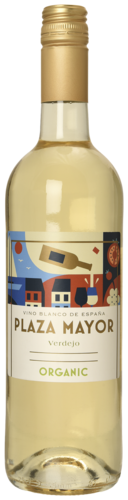
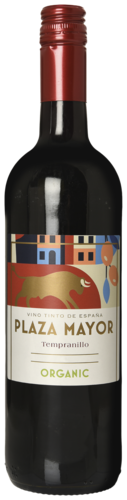
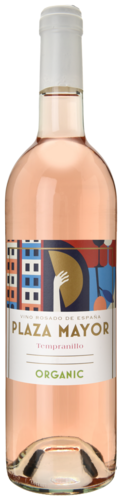

Idilio Reserva Navarra Barrel Selection
Prices as of October 9, 2026, as provided by Gall & Gall. You can see the current price and stock at Gall & Gall. Glazen.nl receives a small commission if you buy something through these links; you pay nothing extra. No 18, no alcohol.