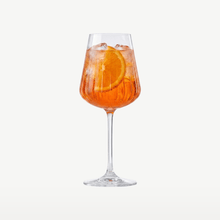
Argentine wine
Argentine wine comes from vineyards at the foot of the Andes, often hundreds of meters above sea level. Mendoza is by far the most important region. The country is world-famous for malbec: dark, juicy and full of fruit.


Argentine wine by region, grape and winery
Argentina is all about one region and one grape. We have a dedicated page about Mendoza, malbec and two well-known wineries.

Mendoza
Argentina’s largest wine region, with vineyards reaching high into the mountains.
About Mendoza →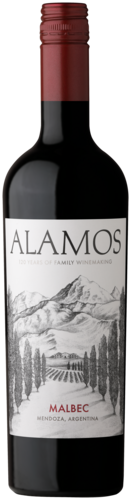
Malbec
Originally a French grape, but it came into its own in Argentina. Blackberries, plums and violets.
About malbec →
Catena
One of Mendoza’s best-known wineries, renowned for malbec and chardonnay from high-altitude vineyards.
About Catena →
Trapiche
A large, historic winery from Mendoza, with wines ranging from simple malbec to single-vineyard wines.
About Trapiche →High-altitude wine
Argentina is one of the largest wine-producing countries in the world. Its vineyards lie in the west, in a long strip along the Andes. The climate is dry and sunny, with little rain. The vines get water from the mountains: melted snow is channeled to the vineyards. The high altitude is characteristic. Many vineyards lie at 700 to 1,500 meters, and even higher in the north. It’s warm there during the day, but cools down considerably at night. This gives the grapes plenty of color and ripe fruit while preserving their freshness. Spanish colonists planted vines here as early as the 16th century. In the 19th century, immigrants from France, Italy and Spain brought new grapes and their expertise.
Mendoza is by far the most important region. Well-known subregions include Luján de Cuyo and Maipú, near the city, and the higher-altitude Uco Valley, with areas such as Tupungato and Altamira. Malbec originally comes from France, from Cahors and Bordeaux. In Argentina, the grape proved so well suited to the country that it became the national grape. Cabernet sauvignon, cabernet franc and bonarda are also grown, as well as chardonnay for white wine. Torrontés is the quintessential Argentine white grape, floral and aromatic, grown mainly in Salta in the north. In the south, in Patagonia, it’s cooler, and they also make pinot noir.
In brief
Seven bottles, from malbec to white malbec
Three malbecs in three styles: classic, pure and unoaked, and powerful, from the finest vineyards. Then cabernet franc and cabernet sauvignon, a white wine made from red grapes, and a high-altitude chardonnay.
Catena Malbec
Textbook malbec from one of Mendoza’s best-known wineries. Bold and dark, full of blackberries, cassis and blackcurrant.

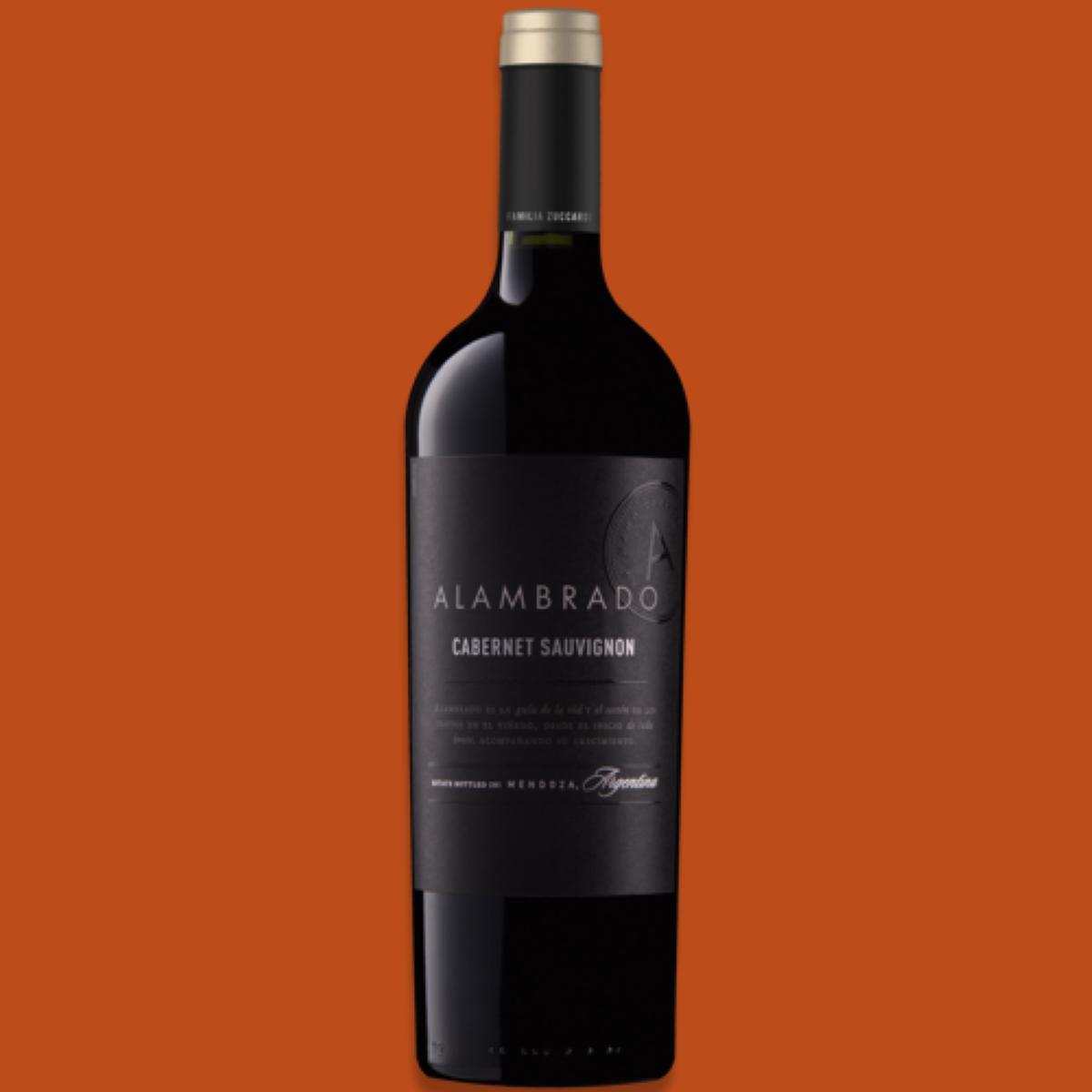
Zuccardi Alambrado Malbec
This malbec doesn’t come into contact with oak. You get to taste the grape in its purest form: juicy, fruity and soft.

Trapiche Gran Medalla Malbec
Malbec from the finest vineyards in the high-altitude Uco Valley. Powerful, complex and made to savor.

Argento Reserva Cabernet Franc Bio
Cabernet Franc comes from the Loire and Bordeaux and is becoming increasingly popular in Argentina. Spicy, with red and black fruit.

Zorzal Gran Terroir Cabernet Sauvignon
Cabernet Sauvignon from vineyards at an altitude of 1,350 meters, at the limit of where grapes can still be grown. Full-bodied, with freshness from the cool nights.
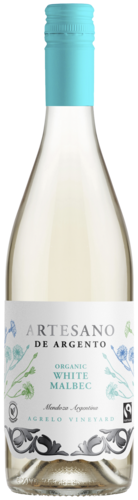
Artesano de Argento White Malbec
A white wine made from blue Malbec grapes: the skins are removed quickly to keep the wine colorless. Lively and fresh, with citrus and green apple.

Catena Appellation Tupungato Chardonnay
Chardonnay from high-altitude vineyards in Tupungato, in the Uco Valley. Full-bodied and creamy, with notes of butter, pineapple, yellow apple, and citrus.
How did a French blending grape become Argentina’s pride? Find out on our Malbec page.
Dark fruit, violets, and soft tannins
Blackberries & violets
Malbec smells of blackberries, plums, and black cherries, often with a floral note of violets. Oak aging adds vanilla, chocolate, and tobacco. White wine smells of citrus, peach, and tropical fruit.
Juicy and rounded
Argentine red wine is full-bodied and ripe, but thanks to the altitude, it’s not heavy. Malbec has soft, rounded tannins and a juicy flavor. Cabernet Sauvignon is firmer.
Fruity and warm
Most wines finish dry and fruity, with a warm touch from the alcohol and, in oak-aged wines, some spice.
Flavor profile of a typical Malbec from Mendoza. A white Malbec or Pinot Grigio scores lower on body and higher on freshness.
How to serve Argentine wine
Serve Malbec slightly chilled, white wine cold, and give a full-bodied Malbec or Cabernet some air first.
Red at 16 to 18 degrees
Malbec often has 13.5 to 14.5% alcohol. If you serve it too warm, all you taste is the alcohol. It’s at its best around 16 degrees: juicy and fresh. Put a bottle from a warm room in the fridge for a while.
More about wine temperature →Let full-bodied wine breathe
A Gran Reserva or single-vineyard Malbec and a full-bodied Cabernet soften if you pour them into a decanter half an hour beforehand. You can pour a fruity, unoaked Malbec straight away.
Decanters →White and rosé, chilled
Serve pinot grigio, sauvignon blanc, torrontés and white malbec at 8 to 10 degrees. A full-bodied, oaked chardonnay can be served a little warmer, around 10 to 12 degrees.
More about decanting →Argentine wine at the table
In Argentina, wine is part of the asado: meat grilled slowly over a wood fire. Malbec is its classic partner, but Argentine wine also pairs well with many other dishes.
Asado and beef
Entrecôte, picanha, ribeye and grilled sausage. Also delicious with chimichurri, the Argentine herb sauce made with parsley, garlic and oil.
Lamb and grilled vegetables
Rack of lamb, stew, or grilled peppers and eggplant. Cabernet franc pairs beautifully with herb-seasoned dishes.
Burgers, pizza and empanadas
An unoaked malbec is smooth enough for everyday food: a hamburger, pizza, pasta or stuffed empanadas.
Fish, chicken and Asian food
A full-bodied chardonnay with salmon and chicken, a crisp pinot grigio or white malbec with fish and salads, and torrontés with mildly spicy Asian food.
The right glass for Argentine wine
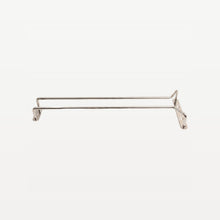
Pour malbec into a large red wine glass to bring out its dark fruit and violet notes. For a powerful malbec or cabernet, choose a tall, large bowl; for white wine, a smaller glass. These are the glasses we recommend ourselves.


Everything you still wanted to know about Argentine wine
Can't find your question here? Read more about wine and food, or get in touch.
Wine and food pairings →What is Argentine wine?
Why is malbec so popular in Argentina?
Why are Argentine vineyards so high up?
What is torrontés?
How much alcohol is in Argentine wine?
What goes well with malbec?
Buy Argentine wine
Would you like the bottle delivered straight to your door? Order Argentine wine online at Gall & Gall. Gall & Gall has 75 options, 1 of which is on sale.
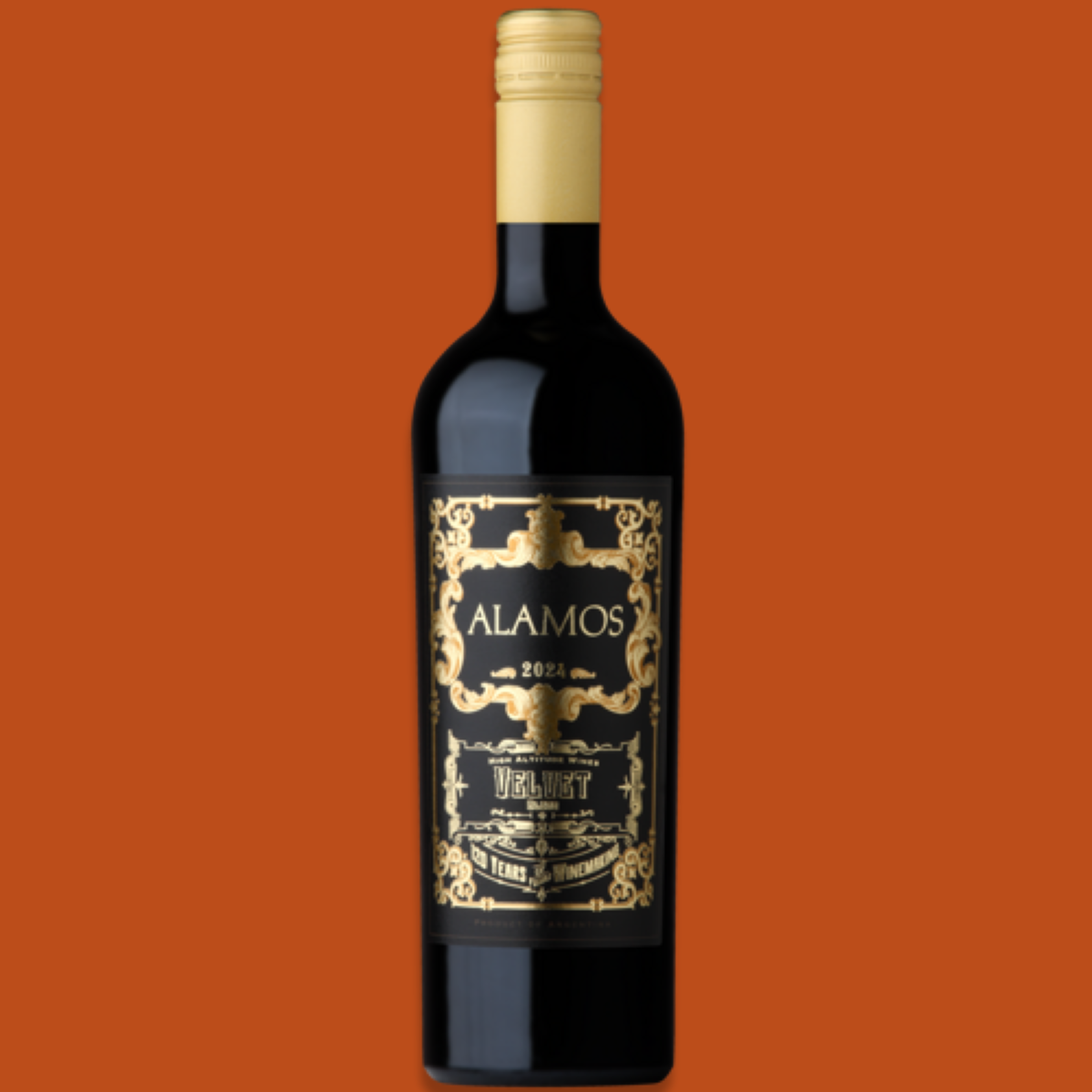
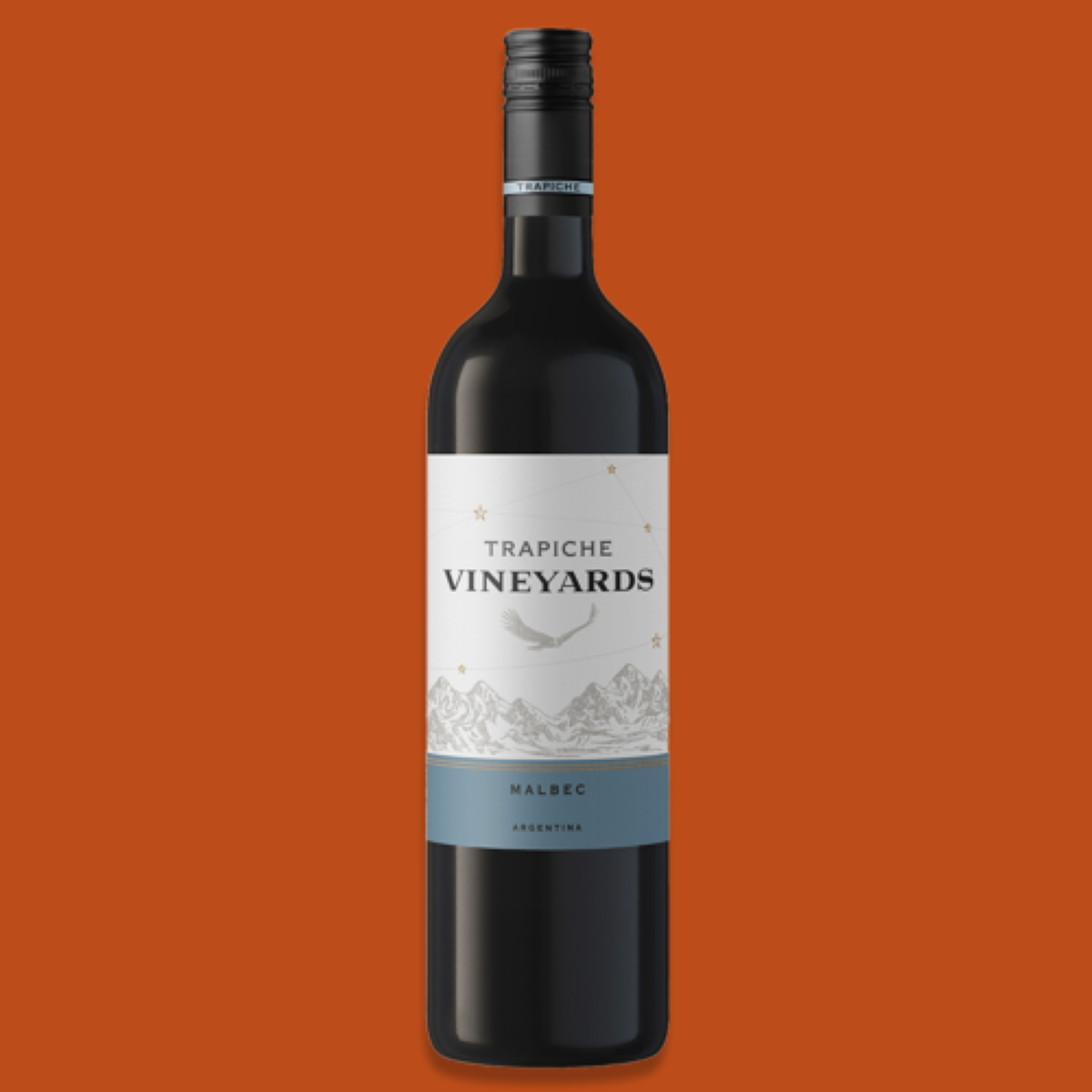
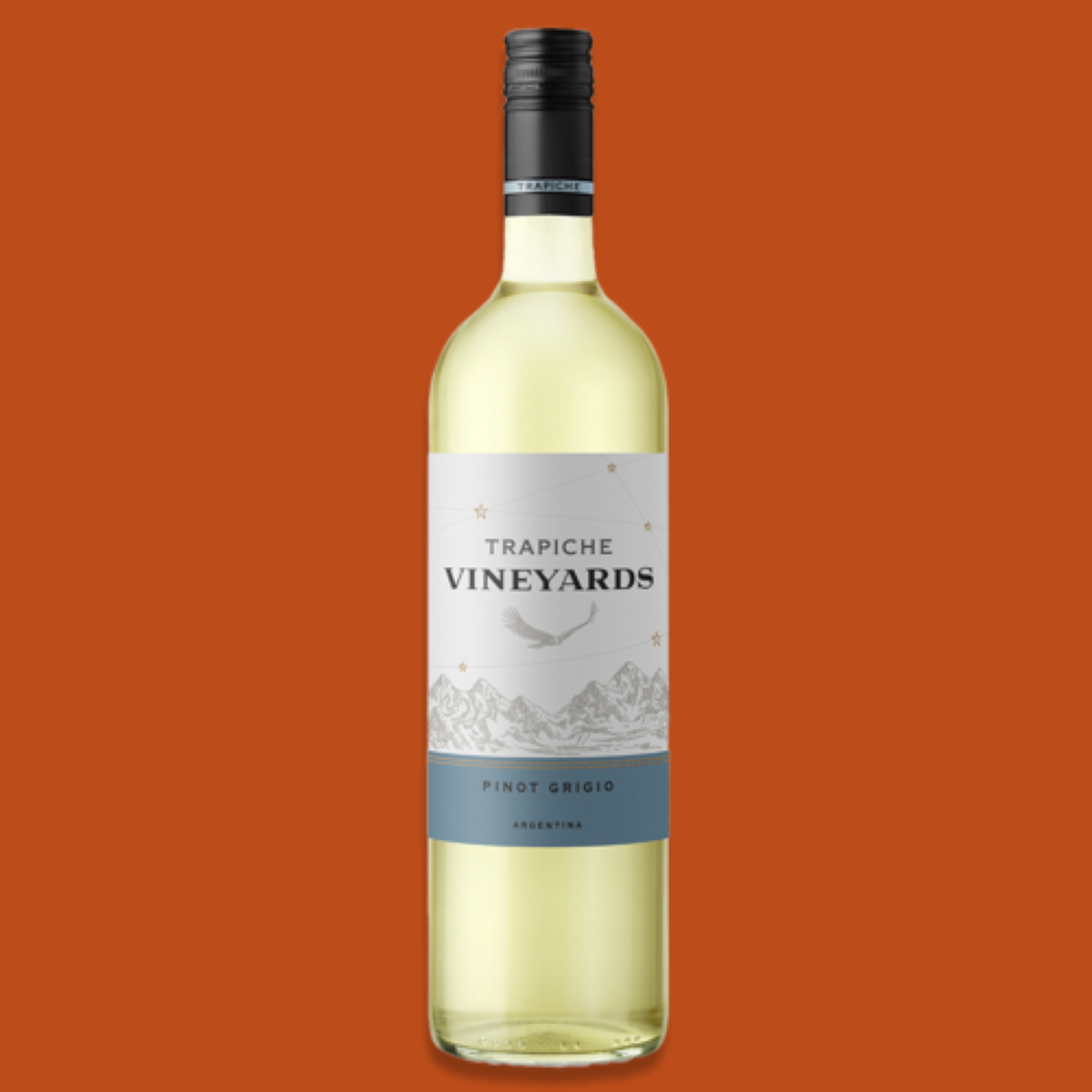
Prices as of November 23, 2026, as provided by Gall & Gall. You can see the current price and availability at Gall & Gall. Glazen.nl receives a small commission if you buy something through these links; it costs you nothing extra. No 18, no alcohol.