





How to pour it
a sake in
Put the bottle in the refrigerator for a few hours, until it reaches somewhere between 6 and 10 degrees. Chilling keeps the aromas of melon, pear, and rice together and softens the sharpness of the alcohol. It doesn't belong in the freezer: too much cold flattens everything, which is a shame for a bottle where aroma is the focus.
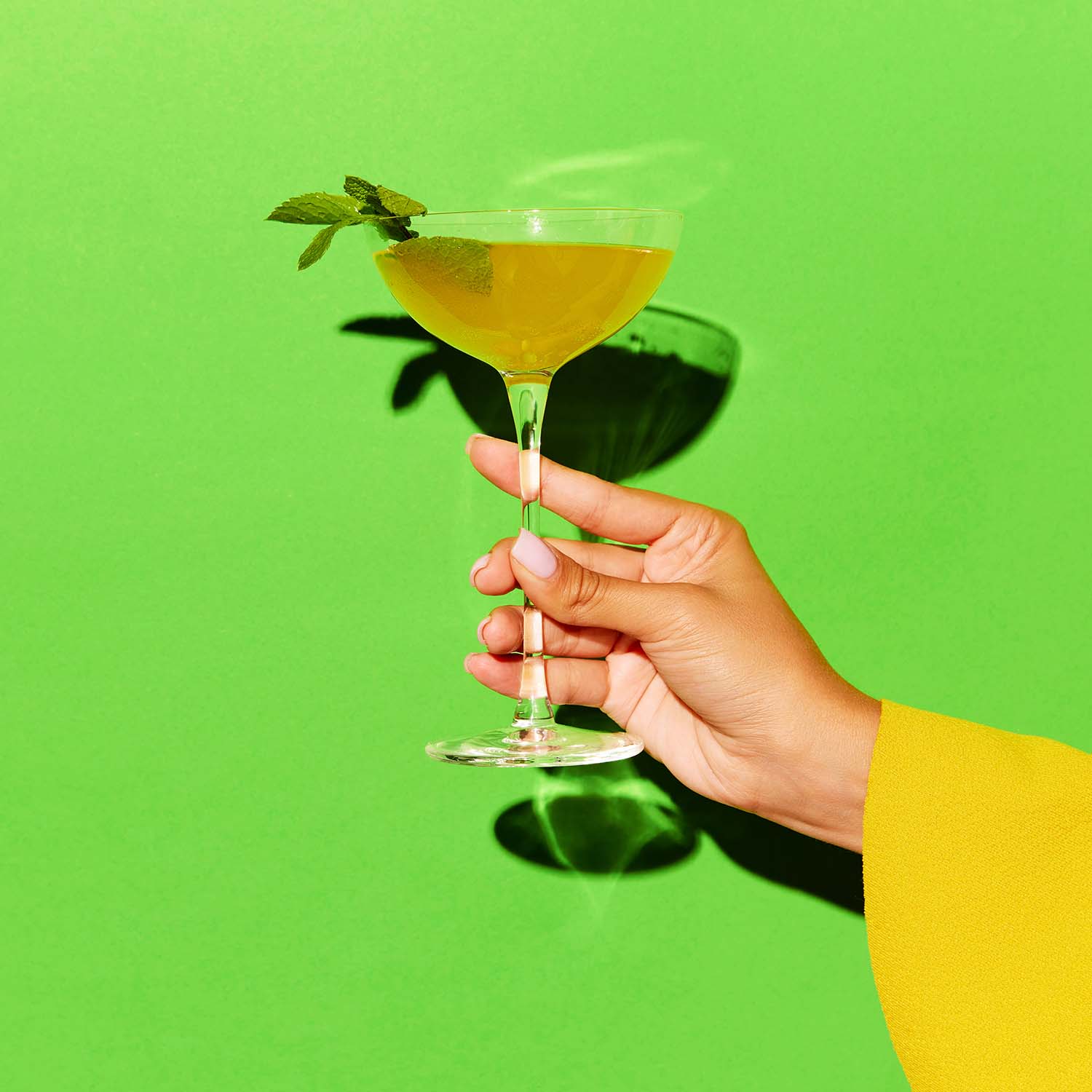
Pour into a carafe or directly from the bottle. Fill the cup or glass to about two-thirds, leaving space above the drink so you can smell the aroma before drinking. Small amounts at a time work best, because the drink quickly reaches room temperature in a small cup.
At a Japanese table, you pour for one another rather than yourself: you fill your neighbor's cup and they fill yours. Hold the carafe with both hands and keep your cup on the table when someone is pouring for you. It's a custom, not a rule you can break.
Close the bottle again immediately and put it back in the refrigerator. Sake contains no sulfites and is vulnerable to air: an opened bottle retains its aroma for about a week and then becomes duller and flatter. So it's better to buy a small bottle that gets finished than a large one that remains half-full.
What did you think of this explanation?
One click on a star is enough. If you would like to add anything, we'll read it first before it appears here.
Save this page
Send this page to your own email, so you have the information at hand when you're ready to serve. You'll receive a €5 discount code for purchases of €50 or more, for the glasses that go with it.
The story
Sake is brewed, just like beer, but with an extra step. Rice contains starch and no sugar, so the starch must first be converted. Koji does this: it is a mold grown on steamed rice that releases enzymes into it. Those enzymes create sugar, while the yeast added at the same time turns that sugar into alcohol. Conversion and fermentation therefore take place side by side in the same vat, and that is precisely what makes it possible to reach 14 to 17 percent without distilling. Water, rice, koji and yeast are all that goes into it.
The right glass
In Japan, sake is drunk from an ochoko, a small straight cup, poured from a tokkuri, a narrow carafe. On festive occasions, a masu is added, the square wooden box. All three are not included in this selection. The closest match is a small 6 to 10 cl glass: a stemmed glass with a slightly narrower opening from the liqueur glasses collection retains the aroma best, while a straight shot glass comes closest in shape to the ochoko. For the role of the tokkuri, look at the carafes.

RCR Invino liqueur glasses 10 cl (6 pieces)

Pasabahce Timeless shot glasses 6 cl (12 pieces)
Both sets together € 67,90.
The right tools
For a cup of sake, you do not use bar tools alongside the glass: the bottle is opened and the cup is filled. The tools below only come into play when you use sake in a cocktail, because then you do want to measure and stir it cold: a jigger for measuring and a mixing glass for stirring. These are the bar tools we use ourselves; you can find everything in our bar tools & cocktail sets.


Glass set (our choice 01) + 2 bar tools together € 62,85.
What do you serve alongside it?
Sake does not yet have its own page in our drinks list. In terms of alcohol percentage and serving size, wine is the closest match, so these are the pages that fit next to it on the table. With a Japanese meal, Japanese whisky is, by the way, the usual follow-up. On every drink page, you can read the percentage, what it tastes like, which cocktails it works in and which glass you need.


Variations & twists
The classification on the label tells you the most. Junmai means it contains only rice, water, koji, and yeast; with honjozo, a small amount of distilled alcohol is added, making the aroma lighter. Ginjo and daiginjo indicate more highly polished rice and a slow, cool fermentation, resulting in the most aromatic and refined styles. Nigori is unfiltered, cloudy sake: rice lees remain in it, giving it a creamier, fuller mouthfeel. Gently shake the bottle before serving. Want to read more? View all drinks and brands.
Serving tip
Serve ginjo or daiginjo chilled, between 6 and 10 degrees; these styles actually lose some of what makes them special when warmed. Warming simpler sake to body temperature works better, for example a robust junmai: the flavor then becomes rounder and broader. In that case, place the carafe in hot water instead of putting it on the heat, so it warms evenly.
Good to know
How sake is made
Rice is polished, washed, soaked, and steamed. Some of it goes to the koji room, where koji mold grows on it and releases enzymes. Rice, koji, water, and yeast go into the vat together; the enzymes turn the starch into sugar, and the yeast turns it into alcohol, simultaneously and in the same vat. The lees are then pressed, usually filtered, and often briefly heated before being bottled.
What koji does
Koji is the key. Without the mold, no sugar is released from the rice, and without sugar, the yeast cannot do anything. The koji room is warm and humid, and the work is done by hand because the mold must grow evenly through the rice grains. How the koji is made largely determines how the sake ultimately smells and tastes.
Junmai, honjozo, ginjo, and daiginjo
The classification depends on how far the rice has been polished and whether distilled alcohol has been added. Junmai contains only rice, water, koji, and yeast. With honjozo, a small amount of distilled alcohol is added, which draws out aromas from the lees and makes the sake lighter overall. Ginjo and daiginjo indicate more highly polished rice and a cool, slow fermentation; that is why they are more aromatic and finer in texture. The names can be combined, so junmai daiginjo also exists.
Nigori, the cloudy one
Nigori is coarsely filtered, leaving fine rice particles in the bottle. This makes it milky and cloudy, with a fuller and often sweeter mouthfeel than clear sake. The sediment settles at the bottom, so the bottle is usually gently tilted or lightly shaken before serving. Serve chilled, in the same small cup or glass.
Cold or warm
A fragrant ginjo or daiginjo is best enjoyed chilled, between 6 and 10 degrees. Heating is better suited to simpler, more robust sake, which develops a rounder flavor and in which minor imperfections fade away. Boiling hot is too much: the aroma then evaporates. Heat in a bain-marie, not directly on the stove.
How much alcohol it contains and how long it stays good
Sake usually contains between 14 and 17 percent alcohol, so it is similar to wine and well below distilled drinks. It contains no sulfites, which means an opened bottle deteriorates more quickly: refrigerated, it retains its aroma for about a week. Store an unopened bottle in a dark, cool place, and fragrant styles in the refrigerator.
Frequently asked questions
What is sake?
A Japanese drink made from rice, water, koji and yeast. Koji is a mold that converts the starch in rice into sugar, after which yeast turns it into alcohol. This happens simultaneously in the same vessel. Sake is therefore brewed, not distilled, and has an alcohol content of 14 to 17 percent.
Is sake a spirit or wine?
Neither. It is not distilled, so it is not a spirit, and it is not made from fruit, so it is not wine. At 14 to 17 percent alcohol, it is close to wine, while its production method is more like beer. In the Netherlands, it is therefore often grouped with specialty drinks rather than spirits.
Should sake be served warm or cold?
For a good bottle, cold is usually best: between 6 and 10 degrees, ginjo and daiginjo retain their aromas of melon, pear and flowers. Heating to around body temperature works best for simpler, more robust styles, which become rounder as a result. Heat in a bain-marie, never directly on the stove.
How long does an opened bottle of sake stay good?
About a week, provided you seal it properly and refrigerate it. Sake contains no sulfites and is therefore sensitive to air: after a week, the aroma becomes duller and the flavor flatter. It does not become unsafe, just less enjoyable. When in doubt, choose a smaller bottle.
Also delicious
Everything for your bar,
to one address
Glasses in hospitality quality, supplied per set. Order today, delivered quickly.
Shop the glasses →