Japanese whisky
A Japanese man learned the craft in Scotland and brought it home. A hundred years later, Japanese whisky is sought after worldwide and accordingly scarce. What it is, the different types, how to drink it, and which glass to use.


The best-known Japanese whisky brands
Two houses that shape the landscape: the founder's distillery and the blend that put Japanese whisky on the map worldwide.
Nikka
The home of Masataka Taketsuru, with Yoichi on the coast of Hokkaido and Miyagikyo in the mountains near Sendai. From the powerful From The Barrel to the fruity Coffey Grain.
About Nikka →Hibiki
Suntory's blend in the bottle with 24 facets, made from dozens of malt and grain whiskies and partially aged in mizunara oak. Honey, orange peel, and Japanese oak.
About Hibiki →Our whisky page compares all styles, from Scotch malt to American bourbon.
Every Japanese whisky, organized by brand
2 brands and 5 varieties, each with its own page about flavor, cocktails, and the right glass.


The Scottish method, in Japanese hands
Japanese whisky isn't an original invention but an adoption. Masataka Taketsuru left for Scotland in 1918, learned the craft at distilleries there and returned with a notebook full of notes; in 1923, he helped build Yamazaki, Japan's first whisky distillery, and founded his own company, Nikka, in 1934. The method has remained Scottish ever since: malted barley, twice distilled in copper stills and aged in oak casks. What makes it different lies in the execution, not the recipe.
The biggest difference from Scotland is organizational. Scottish houses trade whisky with each other for their blends; Japanese houses hardly do, so each house has to create all the flavors itself. That explains why one company has distilleries with contrasting characters, using different still shapes, yeast strains and casks. There are also distinctive touches of its own: the Coffey still that Nikka still uses for its grain whisky, and mizunara, Japanese oak that lends notes of sandalwood and incense.
In brief
Four categories, from blended to single malt
In Japan, blended whisky is the norm and single malt is the exception. The difference lies in the grain, the number of distilleries and the shape of the still.
Blended whisky
A mixture of malt and grain whisky, often from dozens of different casks from the same house. Smooth and balanced; blending is the craft that matters in Japan.

Single malt
One hundred percent malted barley from a single distillery, distilled in copper pot stills. More distinctive than a blend, and the clearest expression of each distillery's character.
Grain whisky
Distilled in a column still rather than a pot still. Nikka still uses a nineteenth-century Coffey still for this, producing a sweet, creamy and fruity whisky.

Pure malt
Malt whisky only, but from more than one distillery, so it isn’t single malt. In Japan it’s called pure malt; elsewhere, the label says blended malt.
Bottles with an age statement have become scarce: demand grew faster than the casks could mature, and distilleries dropped releases with an age on the label.
Fruit, honey, and a subtle woody note
Fruit & honey
Ripe tropical fruit, floral honey, and vanilla, often with a light touch of sandalwood from mizunara casks. Rarely heavy; Japanese whisky tends to be delicate rather than bold.
Smooth and precise
Round and silky smooth, with honey, cacao, and dried fruit. A single malt from a coastal distillery offers a hint of smoke and a salty note in contrast.
Long and clean
A long but refined finish with oak, a slight bitterness, and sometimes incense. Here, precision matters more than strength.
Typical flavor profile of a Japanese blend. A single malt from Yoichi scores higher in smokiness and strength; Nikka From The Barrel, at 51.4%, scores 5 for strength, while a Coffey Grain scores higher in sweetness and fruitiness.
Three ways to drink Japanese whisky
In Japan, whisky is mostly something to have with food, and you can tell from how it’s served: diluted, ice-cold, and light. Of course, you can also drink it neat.
As a Japanese highball
40 ml whisky in a highball glass full of ice, topped up with 120 ml ice-cold sparkling water. Stir once from the bottom up to preserve the bubbles, and garnish with a strip of lemon peel. The most common way to drink whisky in Japan.
Highball recipe →Neat with a drop of water
4 cl in a tulip-shaped tasting glass with a few drops of water. This makes the biggest difference with a bottle over 50%: the alcohol softens, and the fruit and honey come through. Smell first, then drink.
Glass: tasting glass →Mizuwari
One part whisky to two or three parts cold water, over plenty of ice in a tumbler, then stir gently. Diluted this way, the flavor holds up surprisingly well, and the whisky goes down easily with a meal.
Glass: tumbler →Cocktails with Japanese whisky
A good Japanese whisky gets lost quickly in a strong cocktail. These four bring out the fruit and honey instead.

Japanese Highball
Whisky with ice-cold sparkling water in a tall glass full of ice. The standard in Japan.
Old Fashioned
Whisky, sugar, bitters and a large ice cube. More elegant with Japanese whisky than with bourbon.
Whisky Sour
Whisky, lemon, sugar and egg white. The honey note makes the sour rounder.
Manhattan
Whisky, sweet vermouth and bitters. Smoother and fruitier with a Japanese malt.The right glass for Japanese whisky
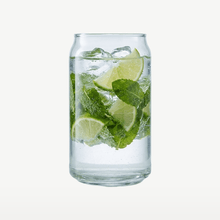
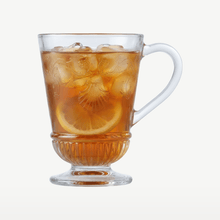
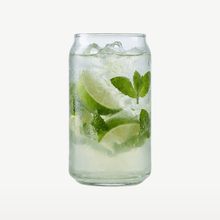
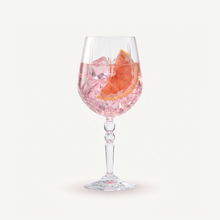
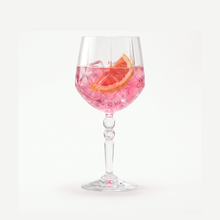
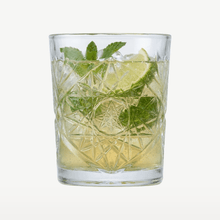
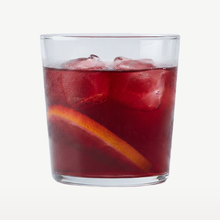
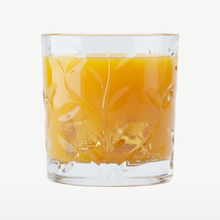
A tulip-shaped glass concentrates the aromas when sipping neat, a tall glass is essential for a highball, and a tumbler does the job for mizuwari. These are the glasses we recommend ourselves.


Everything you still wanted to know about Japanese whisky
Can't find your question? Browse our cocktail recipes or get in touch.
To the cocktail recipes →What exactly is Japanese whisky?
What is the difference between a Japanese blend and a single malt?
What is a Coffey still?
What is mizunara oak?
Why is Japanese whisky so expensive and scarce?
What’s the best way to drink Japanese whisky?
Buy Japanese whisky
Want the bottle delivered straight to your home? Order Japanese whisky online from Gall & Gall. Gall & Gall has 37, including 5 on sale.
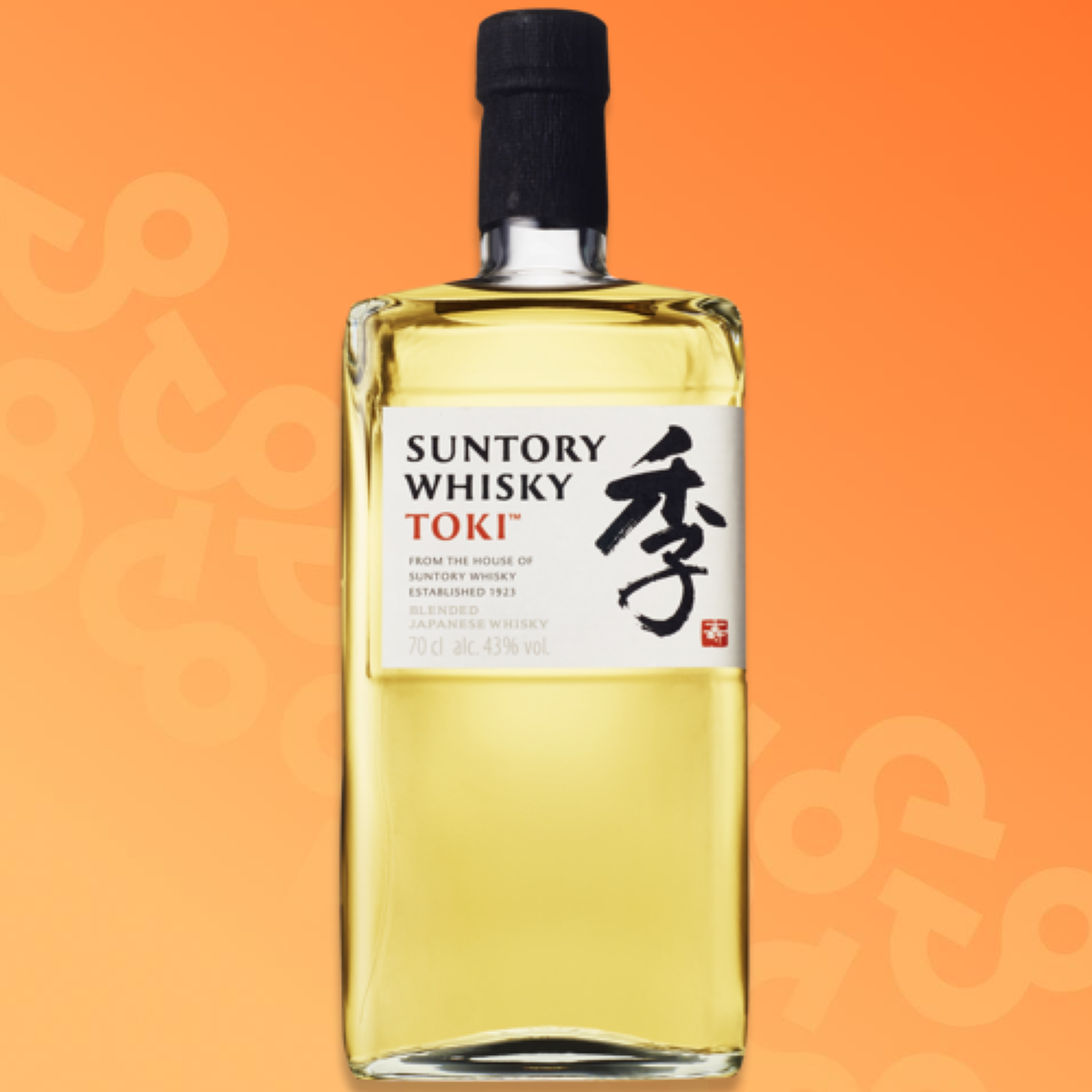
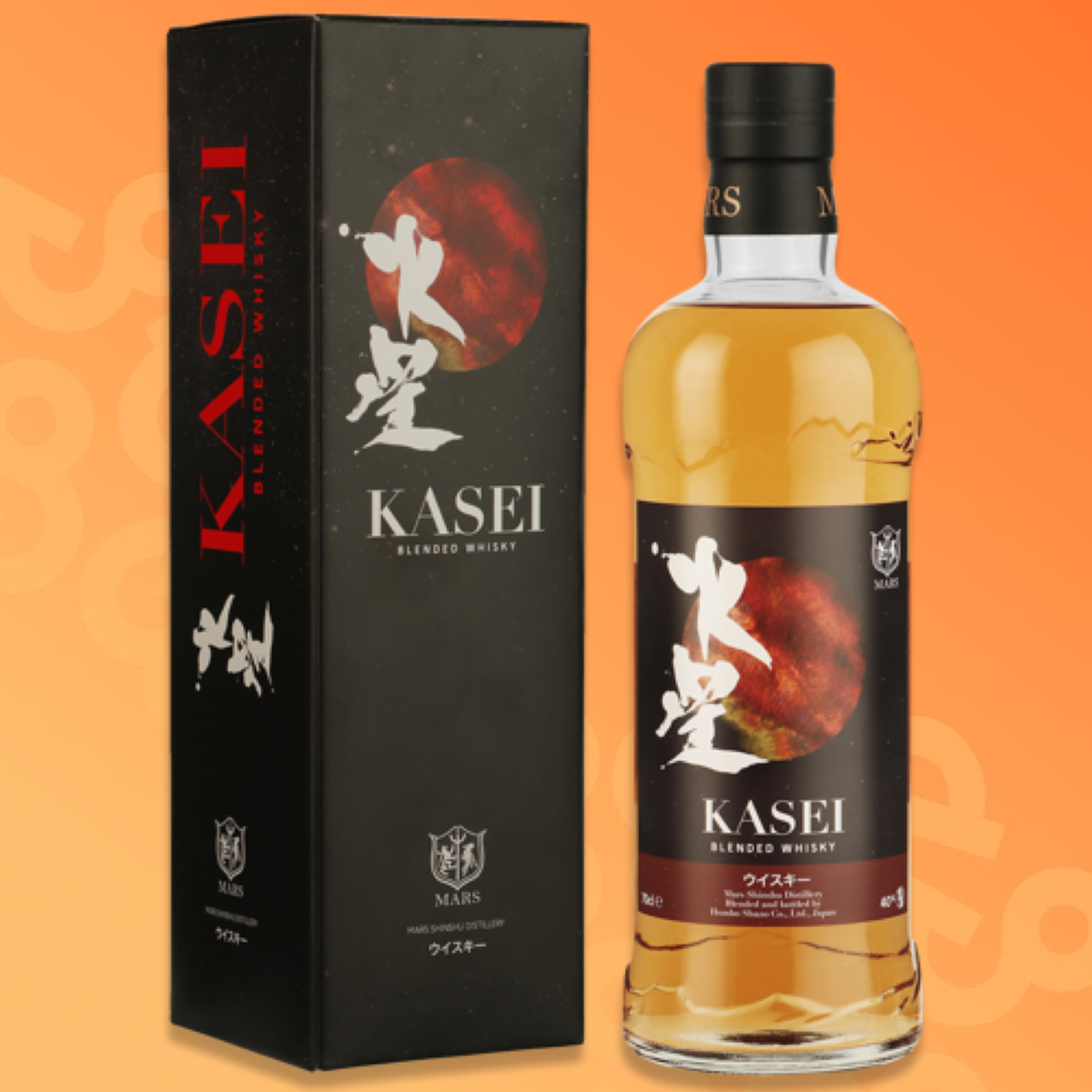
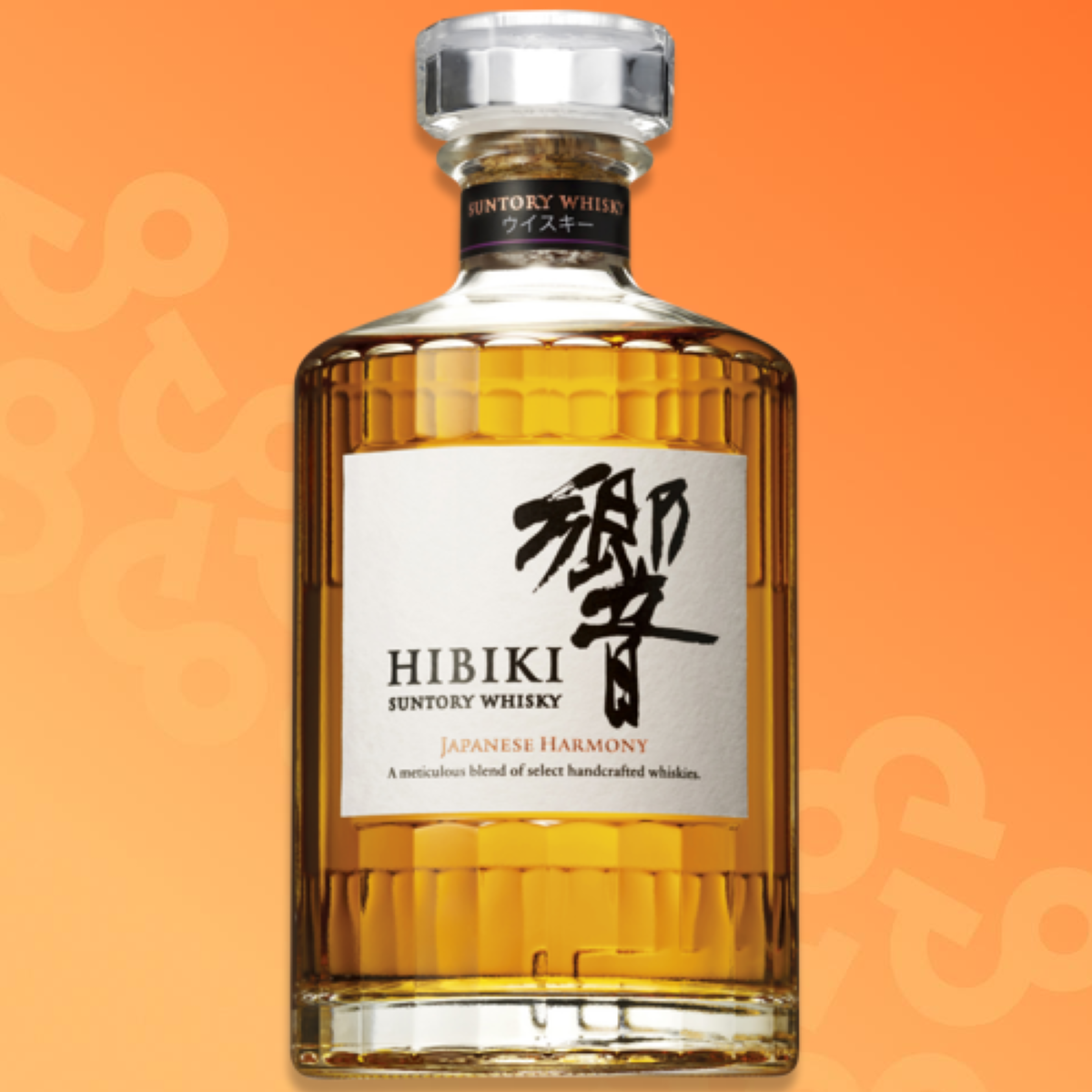
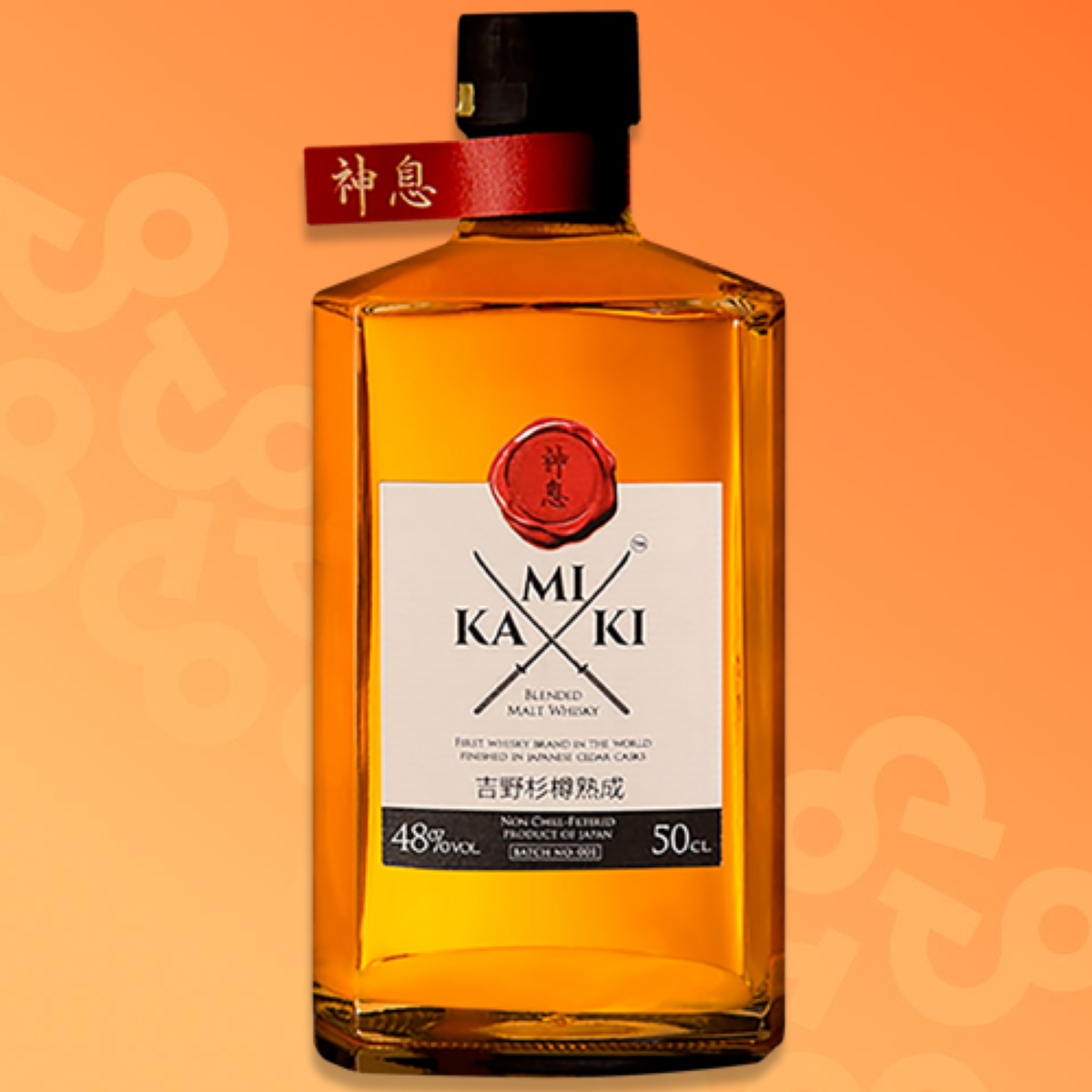
Prices as of November 20, 2026, as provided by Gall & Gall. You can see the current price and stock at Gall & Gall. Glazen.nl receives a small commission if you buy something through these links; it costs you nothing extra. No 18, no alcohol.