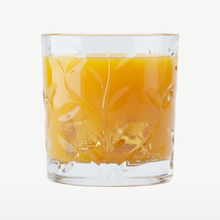
La Rochère Versailles Tea Glass 27.5 Cl - 6 Pieces
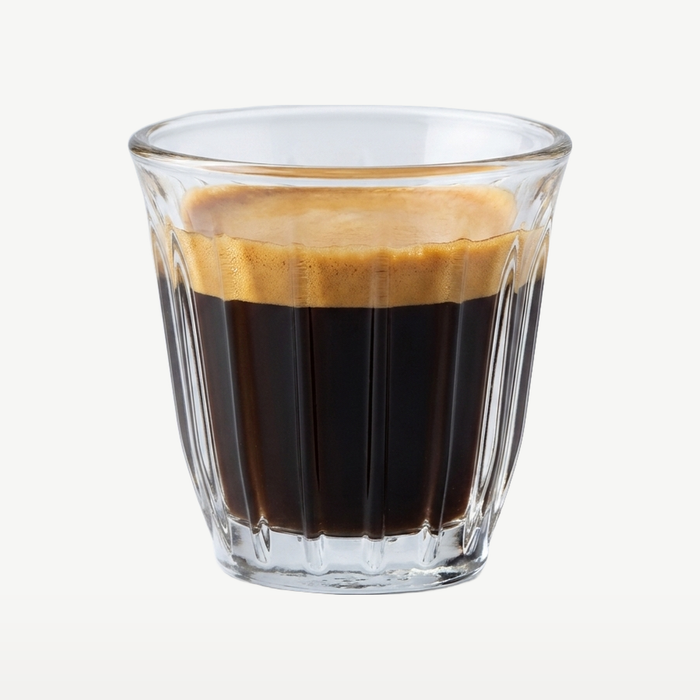
La Rochère Zinc Espresso Glass 10 Cl - 6 Pieces
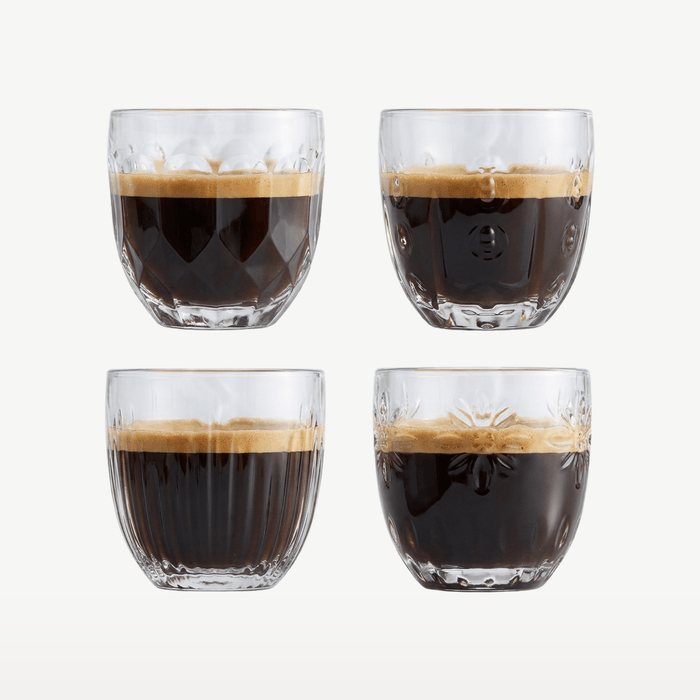
La Rochère Abeille Espresso Glass 10 cl Assorted - 4 Pieces

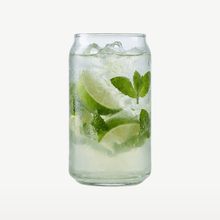
La Rochère Abeille Highball Glass 31 cl - 6 Pieces

The hummus recipe
for your table
Put the tahini and lemon juice in the food processor bowl and run it for a minute before adding the chickpeas. The tahini first thickens and seems to split, then turns into a smooth, light mixture. You want that change to happen; if it doesn't, the hummus will remain grainy.
Add the drained chickpeas, crushed garlic, cumin and salt, and run the machine. Scrape down the bowl a few times as you go, since whole chickpeas stick to the sides and would otherwise stay there.
Pour in the ice water spoonful by spoonful while the machine is running. Cold water makes the mixture fluffier and lighter in color; replace it with oil or room-temperature water, and it will become denser and grayer.
Then let the food processor run for at least three more minutes. It feels like a long time and doesn’t sound like much, but those final minutes are exactly what make the difference between grainy and creamy. Spoon the hummus into a shallow bowl and use the rounded back of a spoon to make a well in the center.
What did you think of this recipe?
Just click a star. If you’d like to add a comment, we’ll review it before it appears here.
Save this recipe
Email the hummus recipe to yourself, so you have it on hand when you’re ready to make it. You’ll also get a €5 discount code on purchases of €50 or more for the glasses to go with it.
The story
Hummus belongs to the cuisines around the eastern Mediterranean, where it’s eaten warm with bread, not served as a cold dip straight from the fridge. Which country invented it is a debate in itself, and we won’t settle it here; what stays the same everywhere is the base of chickpeas, tahini, lemon, and garlic. What’s striking is how little it actually takes. There’s no spice blend or trick, and that’s exactly why every carelessness stands out: you can taste when there’s too little tahini, feel when the food processor hasn’t run long enough, and cold hummus tastes like nothing.
The right glass
To be honest, the dish hummus really belongs in—a wide, flat bowl about 20 centimeters across, where you use a spoon to make a swirling well—isn’t in our range. The closest match is the lowest and widest appetizer bowl we have, holding around 8 centiliters: you can smooth the surface and make a well that holds the olive oil. For a drinks platter with one serving per guest, choose the smaller ramekin, holding around 5 centiliters; it’s designed for dips and sits neatly in a row alongside the others. Thick glass helps with both, because hummus shouldn’t be ice-cold, but it shouldn’t be lukewarm either. You’ll find more shapes like these in the La Rochère glasses.

La Rochère Ouessant Appetizer Bowl 8 cl (6 pieces)

La Rochère Sweet Ramekin 5 cl (6 pieces)
Both sets together € 40,40.
The right tools
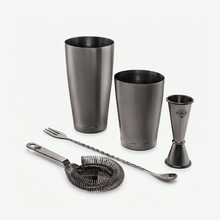
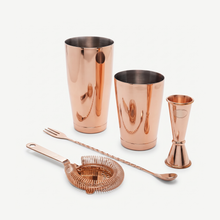
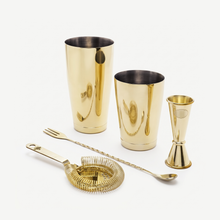
Alongside a glass, use a bar spoon to whisk the tahini and lemon juice together, and a fine strainer to drain the chickpeas and skim off the loosened skins. These are the bar tools we use ourselves; find everything in our bar tools & cocktail sets.


Glass set (our choice 01) + 2 bar tools together € 41,35.
What should you serve with it?
Hummus is earthy and tangy, with plenty of sesame, so it pairs well with all sorts of drinks as long as they aren't heavy or oaky. A crisp white wine or a dry rosé is the obvious choice, and a light red wine can work too. For bubbles, try crémant, and for sweet bites on the same platter, moscato. Each drink page tells you the alcohol percentage, what it tastes like, which cocktails it goes with, and what glass you need.


Variations & twists
Blending in a roasted red pepper from a jar adds color and sweetness; just make sure to drain it well, or the hummus will be runny. Add a cooked beet and it turns bright pink with a slightly earthier flavor, which looks striking in a glass. Half a ripe avocado makes it creamier and greener, but then you should eat it the same day. For a spicy kick, stir in a spoonful of harissa instead of the cumin. Need more inspiration? Browse more than 100 cocktail recipes.
Serving tip
Take the hummus out of the refrigerator half an hour before serving, because when it’s cold, you can barely taste the tahini and lemon. Spoon it into a shallow bowl, use the back of a spoon to make a well in the middle, and pour in a generous pool of olive oil. Scatter a few whole chickpeas and some paprika over the top, and serve with warm pita bread.
Good to know
Why ice water instead of regular water?
Cold water whips air into the mixture and keeps it there, making the hummus lighter in color and fluffier in texture. Room-temperature water does this much less, and using oil instead of water gives you a dense, greasy paste. A few spoonfuls are enough; add it little by little while the machine is running.
Why mix the tahini with the lemon juice first?
Tahini and lemon juice first turn thick and seem to split, then transform into a smooth, pale emulsion. That transformation is the base that everything else gets incorporated into. If you throw everything into the bowl at once, that emulsion won’t form and the hummus will stay grainy, no matter how long you blend it.
Do you need to remove the chickpea skins?
For the smoothest possible hummus, yes, because those skins keep coming back as tiny flakes. It just takes time: rub them off by hand in a bowl of water, then skim them off with a strainer. If you’re cooking the chickpeas yourself, add a teaspoon of baking soda to the cooking water and the skins will come off almost on their own. Honestly, it’s not necessary for a regular appetizer platter.
Dried chickpeas or canned?
Soaked and cooked from scratch, chickpeas taste fuller and you can cook them softer than the canned kind—and softer means smoother. The trade-off is soaking them overnight and cooking them for an hour. Canned chickpeas work just fine if you rinse them well and boil them for a few more minutes so they’re really soft; no machine can smooth out hard chickpeas.
How long does hummus keep?
Covered in the refrigerator, it will keep for three to four days. Pour a thin layer of olive oil over it to keep the surface from drying out and the top layer soft. It gets a little firmer in the refrigerator; stir in a spoonful of water or lemon juice before serving and let it come to room temperature.
Frequently asked questions
Why isn't my hummus creamy?
Usually for two reasons. The tahini hasn't first been whisked with the lemon juice, so there's no smooth base for the rest to blend into, and the food processor hasn't run long enough. Let it run for at least three more minutes after adding the ice water. If the chickpeas themselves are still firm, cook them for longer first.
Do you need to remove the chickpea skins?
Only if you want the smoothest possible version. The skins show up as little flakes in the texture. Rub them off with your hands in a bowl of water and skim them off with a sieve, or add a teaspoon of baking soda to the cooking water to loosen them. For everyday use, you can skip this step.
Dried chickpeas or canned chickpeas?
Dried chickpeas have a fuller flavor and can be cooked until softer, making the hummus smoother, but they need to soak overnight and cook for about an hour. Canned chickpeas work well if you rinse them and boil them for a few more minutes. What matters most isn't where they come from, but whether they're really soft.
What bowl should you use for hummus?
A low, wide bowl in which you can smooth the surface and make a well for the olive oil. An appetizer bowl of around 8 centiliters is the closest fit; for an individual portion on a drinks platter, choose a ramekin of around 5 centiliters.
Also delicious
Everything for your bar,
at one address
Hospitality-quality glasses, delivered in sets. Order today, receive them quickly.
Shop Glasses →