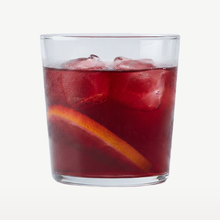
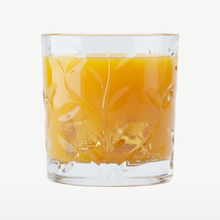
RCR Opera Shot Glass 6 Cl - 6 Pieces

La Rochère Shot Glasses 6 Cl Assorted - 4 Pieces

Arcoroc Gin Shot Glass 5 Cl - 24 Pieces

Arcoroc Gin Shot Glass 3.5 Cl - 24 Pieces

The carpaccio recipe
for your table
Wrap the piece of beef tenderloin tightly in plastic wrap and place it in the freezer for half an hour. The meat should firm up but not freeze through; only then can you cut paper-thin slices with a sharp knife.
Slice the meat as thinly as possible against the grain. If you can't get it thin enough, place the slices between two sheets of plastic wrap and gently pound them thinner with the flat side of a chef's knife or the bottom of a pan until translucent.
Arrange the slices in an overlapping pattern on a cold plate, or roll them up and stand them upright in a small glass. Drizzle with olive oil and a few drops of lemon juice, then grind salt and pepper over them.
Top with the arugula, Parmesan shavings, and toasted pine nuts, and serve the truffle mayonnaise or balsamic dressing in a separate small glass alongside. Serve immediately, as carpaccio should be served cold.
What did you think of this recipe?
Just click a star. If you’d like to add a comment, we’ll review it before it appears here.
Save this recipe
Send the carpaccio recipe to your own inbox so it’s handy when you’re ready to make it. You’ll also get a €5 discount code on orders of €50 or more, for the glasses that go with it.
The story
Carpaccio is Italian and consists of raw beef sliced so thinly you can see through it. The name is often linked to the painter Vittore Carpaccio and the red tones in his work, but that’s an anecdote, not an established fact. What is certain is the technique. There’s no heat involved, so nothing changes the texture of the meat: everything depends on the thickness of the slice and the cut you start with. Tenderloin is lean and has very little connective tissue, which is exactly what you want to eat raw.
The right glass
Carpaccio is usually served flat on a plate, so the glass serves two purposes here. For the amuse-bouche version, roll up the slices and stand them upright in a low, wide glass; the arugula and cheese then sit above the rim, with room for a small fork beside them. Serve the dressing in a separate small glass so the truffle mayonnaise or balsamic doesn’t soak into the meat beforehand and everyone can add as much as they like. The ideal shape for rolled slices is a low glass with a wide opening and straight sides; we don’t carry that exact shape, so we chose the amuse glass that comes closest. Even smaller sizes for sauces are in our shot glasses.

Pasabahce Timeless Amuse Glass 23.6 cl (4 pieces)

La Rochère Sweet Ramequin 5cl (6 pieces)
Both sets together € 37,90.
The right tools
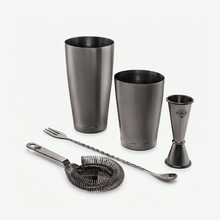
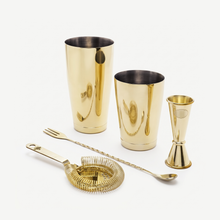
For carpaccio, along with the glass, use a zester to shave the Parmesan and lemon zest, and a citrus juicer for the lemon juice. These are the bar tools we use ourselves; find everything in our bar tools & cocktail sets.


Glassware set (our pick 01) + 2 bar tools together € 41,85.
What to serve with it?
Raw beef with olive oil, Parmesan and truffle calls for a wine that doesn't overpower it. A red wine with little oak works well, and many people prefer to serve bubbles with the amuse-bouche version in a glass. Popular choices include Brunello and Prosecco. Each drinks page tells you the alcohol percentage, what it tastes like, which cocktails go with it and what glass you need.


Variations & twists
Beetroot carpaccio or carpaccio made with thinly shaved zucchini is the vegetarian version: cook the beetroot first, then shave it on a mandoline; use the zucchini raw, cut into long ribbons. Using goat cheese instead of Parmesan makes the whole dish milder, and you can replace the truffle mayonnaise with a dressing of balsamic vinegar, olive oil and a little mustard. For salmon or tuna, use the same setup, but add lemon and dill instead of cheese. Looking for more inspiration? Browse more than 100 cocktail recipes.
Serving tip
Take the meat out of the fridge only when you’re ready to assemble the dish, and use chilled plates or glasses; carpaccio discolors within minutes on a warm plate. Toast the pine nuts in a dry pan and let them cool before sprinkling them over the dish, or they’ll go limp. Add the dressing last, or serve it on the side in a separate small glass.
Good to know
How do you get the meat paper-thin?
Wrap the piece tightly in plastic wrap and put it in the freezer for half an hour. It should feel firm but not freeze through, because frozen meat cuts raggedly. Then use a long, sharp knife to cut slices against the grain. If you can’t get them thin enough, place the slices between two sheets of plastic wrap and tap them with the flat side of a chef’s knife or the bottom of a pan until they become translucent. Tap, don’t push, or the meat will tear.
What’s the difference between tartare and beef tataki?
All three are made from raw or nearly raw beef, but they’re prepared differently. Carpaccio is sliced: whole, paper-thin slices. Tartare is minced or finely chopped and seasoned with onion, capers, and mustard. Beef tataki is briefly seared all over and then quickly chilled, so it’s cooked on the outside and raw inside. You’ll notice the difference most in the texture.
What meat can you use?
Beef tenderloin and fillet are the usual choices: lean, fine-textured, and free of sinew. Rump or striploin can also work, but trim off the silverskin first. Buy the meat from the butcher and tell them you’re going to eat it raw; then they’ll know which cut to choose and how to package it.
Can you prepare carpaccio ahead of time?
You can prepare it a few hours ahead, provided you cover it well and keep it cold. Arrange the slices on a plate or in a glass, cover tightly with plastic wrap, and refrigerate. Add the oil, lemon juice, and garnish just before serving, because the acid discolors the meat and the arugula wilts. It looks best when assembled at the last moment.
Raw meat: what should you look out for?
Buy fresh meat from the butcher and tell them it will be eaten raw. Keep it cold from start to finish, use a clean cutting board and a clean knife, and eat it on the day you buy it. Don’t let it come to room temperature on the counter, and don’t save leftovers for the next day.
Frequently asked questions
How do you slice carpaccio paper-thin?
Put the meat in the freezer for half an hour, tightly wrapped in plastic wrap. It will firm up enough to cut into thin slices with a sharp knife, against the grain. If the slices are still too thick, place them between two sheets of plastic wrap and gently pound them flatter with the flat side of a chef's knife.
What's the difference between carpaccio and tartare?
Carpaccio is sliced; tartare is minced. Carpaccio slices stay whole and are so thin you can see through them; tartare is finely chopped or ground meat seasoned with onion, capers, and mustard. Beef tataki is different again: it's seared briefly and cooked only on the outside.
Can you make vegetarian carpaccio?
Yes. Beetroot is the best-known version: cook the beetroot, let it cool, and shave it paper-thin on a mandoline. Zucchini can be served raw, cut into long, thin ribbons. The rest stays the same, with olive oil, lemon juice, pine nuts, and cheese on top.
What glass should you use for carpaccio as an appetizer?
A low, wide appetizer glass in which you stand the rolled slices upright, so the garnish rises above the rim and there's room for a small fork. Serve the dressing separately in a small glass of about 5 centiliters, so everyone can add as much as they like and the sauce doesn't soak into the meat in advance.
Also delicious
Everything for your bar,
at one address
Restaurant-quality glasses, sold in sets. Order today, delivered quickly.
Shop the glasses →