

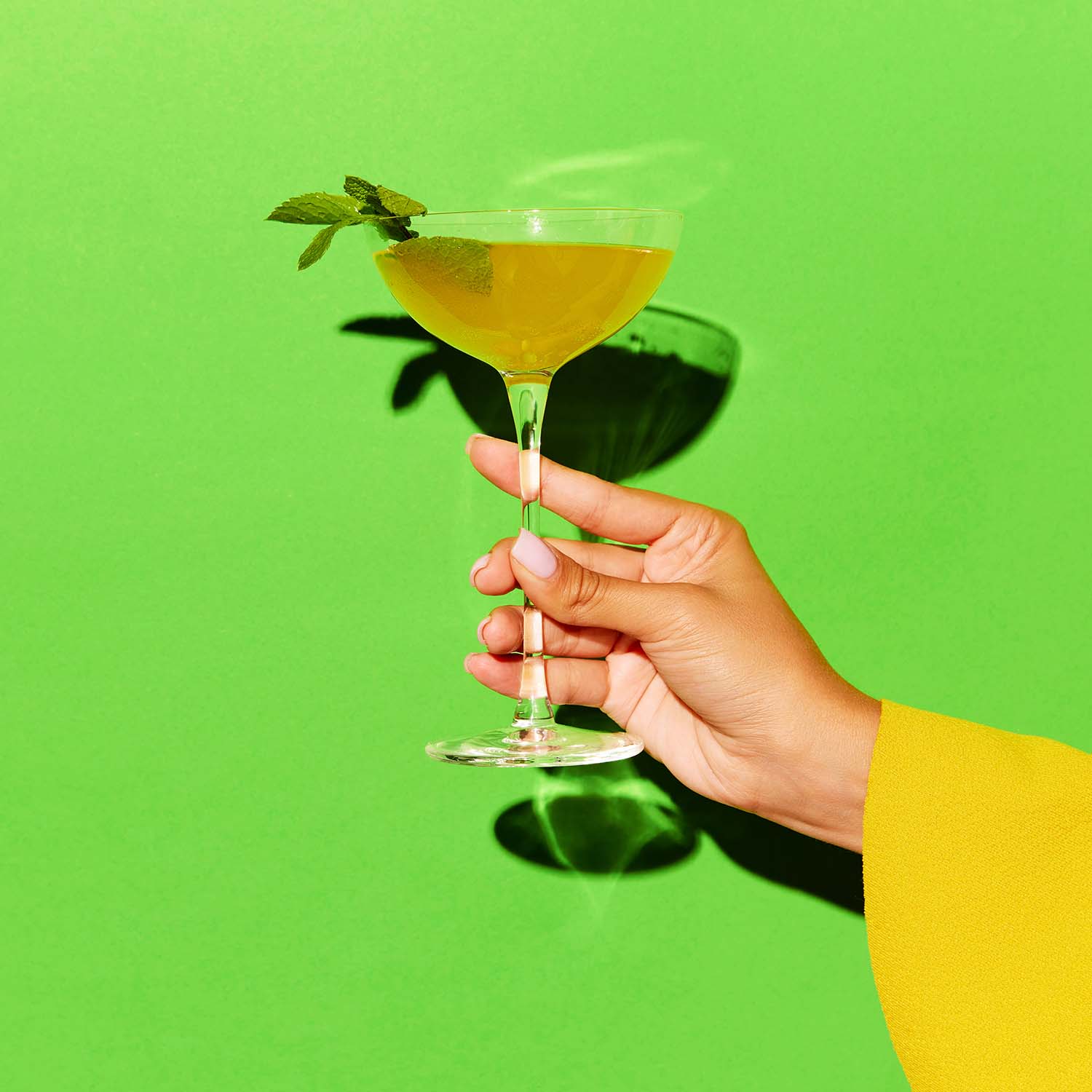




The Ginger Tea recipe
for your table
Wash a piece of ginger about three centimetres long and shave it into thin slices, across the grain. You can leave the skin on as long as you scrub the root clean; if you peel it, you remove a layer of flavor located just beneath the skin.
Put the slices in the glass or a jug and pour boiling water over them. Ginger isn’t a tea leaf and doesn’t turn bitter, so the water doesn’t need to cool first as it does with green or white tea.
Let it steep for five to ten minutes and place a saucer on top, so the volatile aromas stay in the cup. Five minutes gives a mild cup, ten minutes a distinctly sharp one; leaving it even longer only makes it sharper.
Remove the slices if you want to keep it at this strength, squeeze a lemon slice over it, and stir in the honey once the tea is no longer boiling. If you’re pouring from a jug, leave the slices in; each subsequent glass will be a little sharper.
What did you think of this recipe?
One click on a star is enough. If you’d like to add something, we’ll read it first before it appears here.
Save this recipe
Send the Ginger Tea recipe to your own email, so you’ll have it handy when you’re ready to make it. You’ll also receive a € 5 discount code when you spend € 50 or more, for the matching glasses.
The story
Ginger is the rhizome of Zingiber officinale, a plant from tropical Asia that now mainly comes from China, India, Nigeria, and Peru. Its pungency comes from gingerol, the compound that gives fresh ginger its tingling, almost warming flavor. Drying and grinding change this compound, which is why ground ginger tastes earthy and peppery rather than fresh and sharp. In the Netherlands, we mainly know ginger as a spice, in cookies and syrup, and by now just as much as a carafe of hot water served at the table. The thinner you slice the root, the more surface area the water touches, and that determines how sharp the tea becomes.
The right glass
Ginger tea often sits on the table for twenty minutes or longer, and that's when you notice what a glass can do. A mug with a handle keeps your fingers away from the hot wall and has enough capacity to give the ginger slices room; through the wide opening, you can easily remove them with a fork. If the mug cools down too quickly, choose a double-walled tumbler: it keeps the heat inside and the outside cool. Find more insulating models among the double-walled glasses.

La Rochère Lyonnais Tea Mug 27.5 cl (6 pieces)

Luigi Bormioli Thermic Glass Tumbler 35 cl (2 pieces)
Both sets together € 63,90.
The right tools
For ginger tea, in addition to the glass, use a citrus press to squeeze the lemon and a long bar spoon to stir the honey. These are the bar tools we use ourselves; you'll find everything in our bar tools & cocktail sets.


Glass set (our choice 01) + 2 bar tools together € 63,85.
Which splash belongs in your ginger tea?
Ginger tea is perfectly good on its own, but ginger and spirits go hand in hand: rum and ginger make up the pair in a dark 'n stormy, vodka and ginger that in a Moscow mule, and with whisky, lemon, and honey, you're close to a hot toddy. On each drinks page, you'll find the alcohol percentage, how it tastes, which cocktails it works well in, and which glass you need.


Variations & twists
Replace the lemon with a slice of orange for a sweeter, rounder cup. Adding a sprig of fresh mint makes it fresher, just as in a mojito, and half a teaspoon of turmeric adds color and an earthy undertone that stands up well to the heat of ginger. Brewed cold overnight in the refrigerator with twice as much ginger, it comes close to iced tea. Looking for more inspiration? Browse more than 100 cocktail recipes.
Serving tip
Put a one-liter pitcher with ten to twelve slices of ginger on the table and pour throughout the afternoon; each glass will gradually become a little sharper. Serve honey and lemon separately, because one person may want two slices in it and another may want none. Covering the glass with a small saucer keeps the cup warm and the aroma in.
Good to know
Fresh ginger or ground ginger
Fresh and ground ginger do not taste the same. Fresh ginger is juicy, fresh, and pungently hot; ground ginger has become earthy and peppery through drying and produces a cloudy, somewhat dusty cup. If you still want to use ground ginger, allow about a quarter teaspoon per cup and strain the tea before pouring, because the powder does not stay neatly dissolved. For a clear cup with heat, fresh is always the better choice.
Peel or not
You do not have to. There is plenty of flavor just beneath the skin, so scrub a ginger root thoroughly under the tap with a brush and slice it with the skin on. If the skin has become dry, wrinkled, and tough, peel it with the back of a teaspoon: this removes only the outermost layer and preserves the flesh underneath. A vegetable peeler removes much more than necessary.
Slicing thinly or grating
This is where the biggest difference in sharpness lies. Thin slices, shaved across the grain, release their flavor slowly and produce a clear cup that you can easily adjust. Grating greatly increases the surface area and squeezes juice from the cells, so within a minute you have a cloudy, much sharper tea that also keeps intensifying because the pulp remains in the water. If you want that sharp effect without the pulp, grate it and strain it before pouring.
Steeping time and how long you can leave it to stand
Five minutes gives a mild cup, ten minutes a firmly sharp one. Ginger is not a tea leaf and does not turn bitter, so you can leave the slices in for an hour and it will only become sharper. That is precisely why a pitcher works so well. However, the tea becomes cloudier and flatter in aroma after a few hours, so it is better to make a fresh pitcher twice than to let one sit for half a day.
A jug for the whole day
For one liter, use ten to twelve thin slices, or about an eight-centimeter piece of ginger. Pour boiling water over them, steep for ten minutes, then place the jug on a low warming plate or in a thermos. Leave the slices in if you want a stronger flavor, or strain them out once it has reached the desired strength. Add lemon to each glass rather than to the jug, because lemon juice left in warm water for hours loses its freshness.
Lemon, mint, turmeric and orange
Lemon is the classic addition and brings out the heat; squeeze it into each glass and leave the slice in for the aroma from the peel. Fresh mint makes the cup more refreshing and can steep with the ginger in the water. Turmeric adds color and an earthy undertone; half a teaspoon per jug is enough. A slice of orange is the sweetest option and pairs well with honey.
Frequently asked questions
How much ginger do you use for a cup of ginger tea?
Use about three centimeters of fresh ginger, thinly sliced, per two hundred and fifty milliliters of water. For a one-liter jug, use ten to twelve slices, or a piece about eight centimeters long. If you grate the ginger instead of slicing it, use half as much, because grated ginger releases much more heat much faster.
Do you need to peel ginger for tea?
No, you don't have to. Scrub the root well under the tap and slice it with the skin on, because much of the flavor is just beneath the skin. If the skin has become dry and tough, scrape it off with the back of a teaspoon, removing only the outer layer and not the flesh underneath.
How long should ginger tea steep?
Five minutes for a mild cup, ten minutes for a stronger one. Ginger does not turn bitter, so leaving it to steep longer only makes the tea more pungent. Place a saucer over the glass while it steeps, so the volatile aromas stay in the cup instead of escaping into the kitchen.
Can you make ginger tea with ground ginger?
You can, but it tastes different. Drying changes the pungent compound in ginger, making ground ginger taste earthy and peppery instead of fresh and zingy. Use about a quarter teaspoon per cup and strain the tea before serving, because the powder does not settle neatly to the bottom.
Also delicious
Everything for your bar,
to one address
Glasses in catering quality, supplied per set. Order today, delivered quickly.
Shop the glasses →