

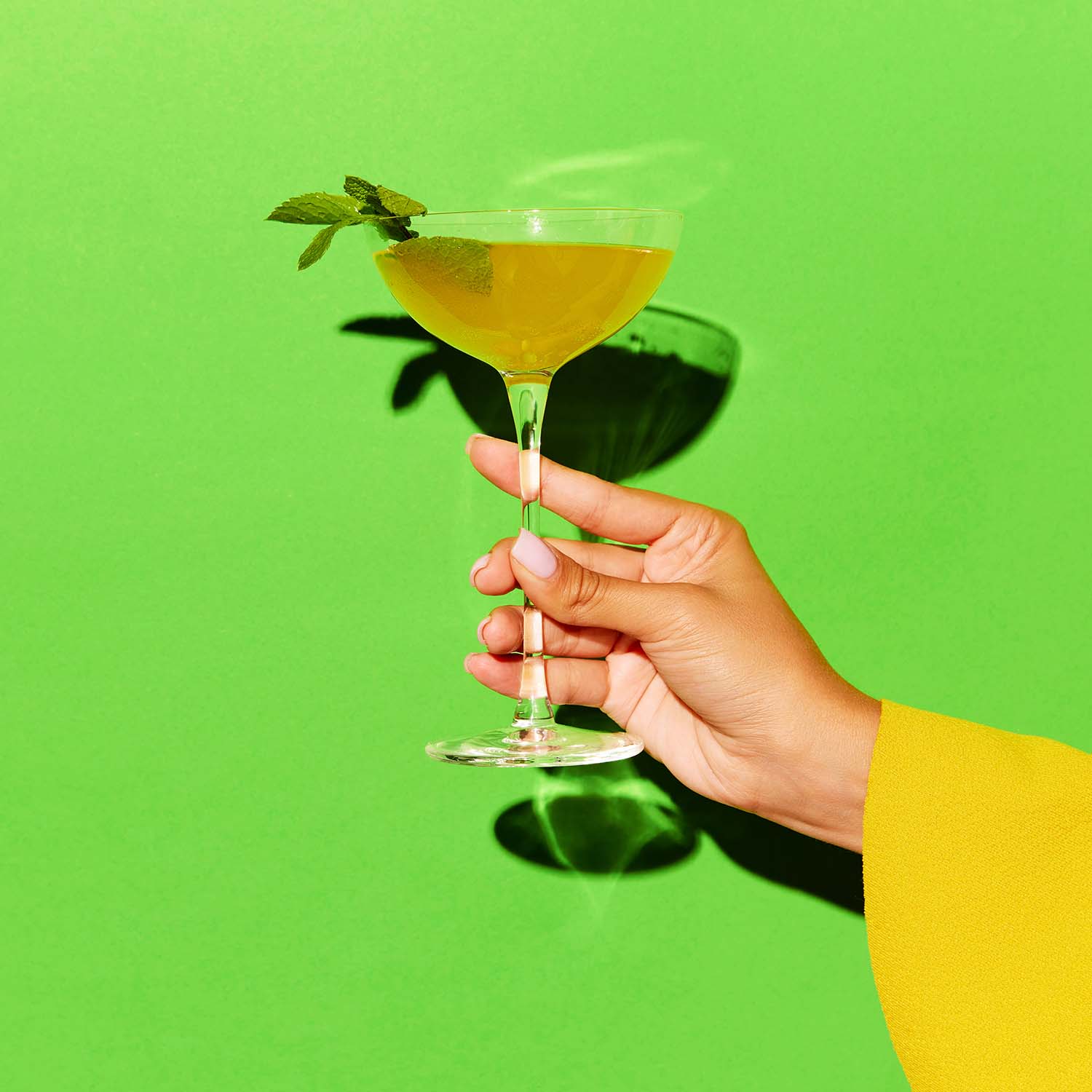




How to pour
a bardolino in
Place the bottle in the refrigerator for about an hour, or in a cooler with water and ice for fifteen minutes. Twelve to fourteen degrees is colder than you may be used to for red wine, and that’s the point here: the freshness comes through and the light tannin remains soft.
Cut all the way around the capsule below the ridge on the neck and wipe the rim of the bottle clean. Place the spiral in the center of the cork, turn it straight down until just before the end, and pull the cork out in one smooth motion. Many bottles from the region have a screw cap, in which case you can skip this step.
You rarely need to decant bardolino. The wine is light and open by nature, and in a decanter it actually warms up, which is exactly what you don’t want. The same applies to chiaretto, the rosé made from the same grapes. It’s better to put the bottle back in the cooler in between pours.
Pour until the glass is about one-third full and top it up more often, so what’s in the glass stays cool. Bardolino is light-bodied, so a slender bowl suits it better than a large round bowl where the aromas disperse.
What did you think of this guide?
One click on a star is enough. If you’d like to add something, we’ll review it first before it appears here.
Save this page
Send this page to your own email so you have the information at hand when you are ready to pour. You’ll also receive a €5 discount code for orders from €50, valid for the glasses that go with it.
The story
Bardolino lies on the eastern side of Lake Garda, in Veneto, against the hills that a glacier left behind there as a moraine. The soil is rich in gravel and poor, and the lake keeps the temperature mild: few truly hot days and little frost. The same grapes, corvina, rondinella and molinara, also grow a little farther away in Valpolicella, but there they stand in heavier soil and produce fuller wines. By the lake, the wine remains light in colour, low in tannin and high in freshness. Chiaretto, the rosé made from the same grapes, belongs there just as much.
The right glass
Because Bardolino is cool and light, it does not need a large bowl. A slender bowl of around 50 cl provides enough room for the aromas and keeps the wine at the right temperature for longer, especially if you do not pour too much at once. There is no separate Bardolino glass, neither in our range nor as a specific model: these are the two bowls that come closest. Compare them in the red wine glasses collection; if you mainly drink chiaretto, also look at the rosé wine glasses.

Schott Zwiesel Fortissimo Red Wine Glass 50 cl (4 pieces)

Schott Zwiesel Banquet Red Wine Glass 47.5 cl (6 pieces)
Both sets together € 59,65.
The right tools
For a Bardolino, besides the glass, you mainly need a wine cooler, because the bottle needs to go back into the cold between glasses, and a corkscrew for bottles without a screw cap. A wine stopper keeps the rest good for a day or two. The bar tools below only come in handy when the wine goes into a spritz or a tinto de verano: a bar spoon for stirring and a citrus juicer for the juice. These are the bar tools we use ourselves; you can find everything in our bar tools & cocktail sets.


Glass set (our choice 01) + 2 bar tools together € 54,85.
What do you serve alongside it?
Bardolino comes from Veneto, as does a large part of what surrounds it. These are the wines that belong at the same kind of table, from a glass of prosecco beforehand to a rosé on a warm day. On each drinks page, you can read the alcohol percentage, what it tastes like, which cocktails it pairs with and which glass you need.


Variations & twists
The same name covers several wines. Regular Bardolino is light and fresh. Bardolino chiaretto is the rosé made from exactly the same grapes, pale pink because the juice remains on the skins for only a short time. Bardolino superiore has slightly more alcohol and matures longer before being sold. There is also a version that comes onto the market shortly after the harvest, intended to be drunk young and chilled. In all cases, the rule is: do not keep it too long. Read more? View all drinks and brands.
Serving tip
Bardolino pairs with food that is not too heavy: pasta with vegetables, pizza, grilled fish, chicken, charcuterie and young cheeses. Because it is served lightly chilled, you can also pour it outdoors without it immediately becoming flat. Put the bottle back in the cooler between two glasses and serve at 12 to 14 degrees.
Good to know
Why you should chill this red wine
Chilling only helps with a low-tannin red wine, and Bardolino is a perfect example. Tannin feels hard and dry at low temperatures, so chilling a full-bodied red wine has the opposite effect. Here there is so little of it that the cold mainly brings out the freshness and cherry note. Twelve to fourteen degrees is the range; colder than that and the aroma closes up.
Corvina, Rondinella and Molinara
Corvina brings the cherry, freshness and slight bitterness on the finish and is the main grape. Rondinella is productive and provides colour and a spicy note. Molinara adds acidity and is mainly used in small quantities. The proportions vary by producer, which is why one Bardolino tastes paler and fresher while another is somewhat fuller.
The difference from Valpolicella
The grape recipe is almost the same, but the landscape is not. Bardolino lies along Lake Garda on gravelly moraine hills, while Valpolicella lies farther east in hills with limestone and clay. This gives it fuller, darker wines, and the region also uses techniques involving dried grapes that add further weight. Bardolino remains light, and that is a choice, not a shortcoming.
Chiaretto, the rosé made from the same grapes
Chiaretto is made from the same Corvina, Rondinella and Molinara, but the juice spends only a short time on the skins. As a result, the colour is pale pink to salmon rather than red, and the wine is even fresher. Serve it cooler than the red version, at around 8 to 10 degrees, in the same kind of slender glass.
How much alcohol it contains and how long it lasts
Bardolino contains roughly 11.5 to 13 percent alcohol; the percentage is stated on the label. This is not a wine to lay down: it is at its best in the first one to three years, while the superiore can last a little longer. Once opened, a bottle will keep its flavour for another two to three days with a stopper in the fridge, which is already the right place for it anyway.
Frequently asked questions
What kind of wine is Bardolino?
A light red wine from Veneto, on the eastern shore of Lake Garda. It is made from Corvina, Rondinella and Molinara and is light in colour, low in tannin and high in freshness, with red cherry and a spicy edge. There is also a rosé made from the same grapes, called Chiaretto.
Why do you serve Bardolino chilled?
Because it contains little tannin. With a full-bodied red wine, cold temperatures make the tannin feel hard, but with Bardolino they bring out the freshness and cherry notes. The ideal range is 12 to 14 degrees, so chill it for about an hour in the fridge or fifteen minutes in a cooler with water and ice.
What is the difference between Bardolino and Valpolicella?
The grapes are almost the same, but the soil is not. Bardolino grows on gravelly moraine hills near Lake Garda, which keeps it lighter and fresher. Valpolicella lies farther east on heavier soil and produces fuller, darker wines.
What is Bardolino Chiaretto?
The rosé from the same region and the same grapes. The juice spends only a short time on the skins, keeping the colour pale pink to salmon and making the wine taste even fresher than the red version. Serve it cooler, at around 8 to 10 degrees.
Also delicious
Everything for your bar,
to one address
Glasses in hospitality quality, supplied per set. Order today, delivered quickly.
Shop the glasses →