Piedmont
Piedmont lies in northwestern Italy, at the foot of the Alps. Barolo and Barbaresco, both made from Nebbiolo, come from the hills around Alba. They also produce juicy Barbera and Dolcetto, crisp Gavi, and sweet, lightly sparkling Moscato d'Asti.


Wine from Piedmont, by type
The great names of Piedmont revolve around a single grape. We have dedicated pages about that grape and its two most famous wines.

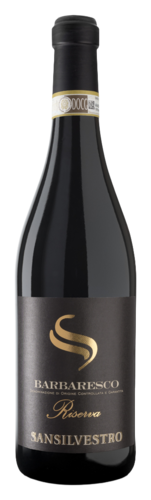
Barbaresco
Barolo's neighbor, also made from Nebbiolo, and often more elegant and ready to drink sooner.
About Barbaresco →
Nebbiolo
Light in color, but with plenty of acidity and tannin. The grape behind Piedmont's greatest wines.
About Nebbiolo →
Italian wine
Piedmont is just one of Italy's wine regions. Read the whole story here.
About Italian wine →Hills, mist, and truffles
The name Piedmont means something like "at the foot of the mountains." The region lies in northwest Italy, with the Alps to the north and west and Turin as its capital. The main vineyards lie to the south, on the hills of the Langhe and Roero around the town of Alba, and in Monferrato around Asti. In autumn, mist often hangs between the hills. According to a popular explanation, this is where Nebbiolo gets its name: nebbia is Italian for mist. Alba is also famous for its white truffle, which appears on menus everywhere in autumn.
Nebbiolo is Piedmont's great grape. It produces wines with a fairly light color, but plenty of acidity and firm tannins. It is used to make Barolo and Barbaresco, two of Italy's best-known wines. Barolo must age for at least a little over three years before it can be sold, and a Riserva for a little over five years. Simpler Nebbiolo wines are called Langhe Nebbiolo or Nebbiolo d'Alba. For everyday drinking, Piedmontese people enjoy Barbera, juicy and high in fresh acidity, and Dolcetto, soft and fruity. White wines include Gavi, made from the Cortese grape, Roero Arneis, and sweet, lightly sparkling Moscato d'Asti, with only about 5% alcohol.
In brief
Seven bottles, from Barolo to Moscato d'Asti
First, Nebbiolo, from a Langhe Nebbiolo to a true Barolo. Then, everyday wines, Barbera and Dolcetto, and finally three whites, one of them sweet.

Renato Ratti Langhe Nebbiolo
Nebbiolo from the Langhe, an accessible introduction to the Barolo grape. Strawberry, raspberry, and a typical Italian bitter note.

San Silvestro Barolo Biologico
Organic Barolo made from grapes grown in different villages within the appellation. Powerful and complex, with Nebbiolo's firm tannins.

San Silvestro Barbera d'Asti Superiore
Barbera from the hills of Monferrato. Aged for fourteen months, six of them in oak, which is why it can be called superiore.

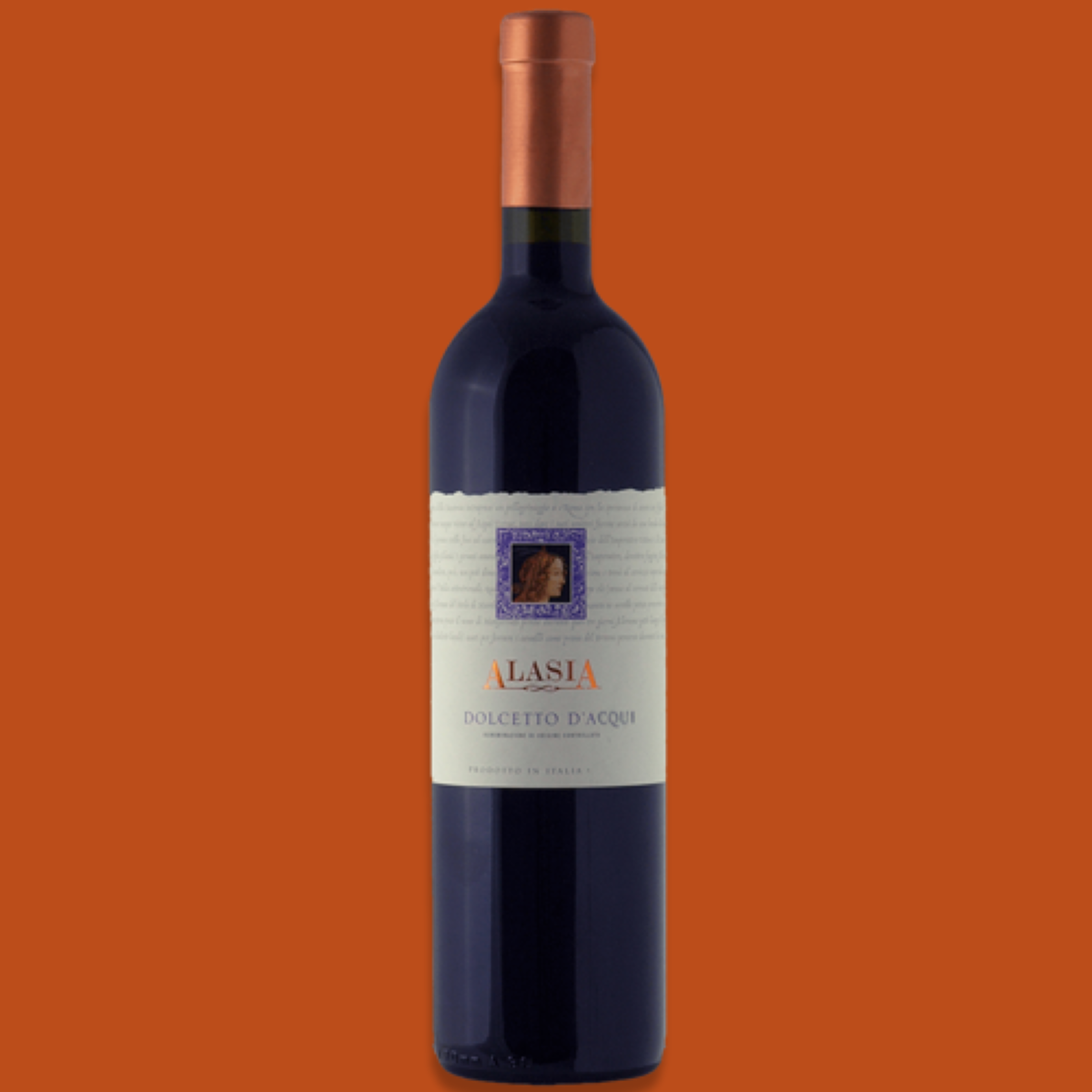
Costa di Bussia Dolcetto d'Alba
Dolcetto from the area around Alba, where the grape has its own designation of origin. Soft, fruity, and ready to drink young.

Gavi La Battistina
Gavi from the far south of Piedmont, made from the Cortese grape. Fresh, fruity, and slightly spicy.

San Silvestro Roero Arneis
Arneis from Roero, the hills across the river from Alba. Fresh and aromatic, with lovely minerality.
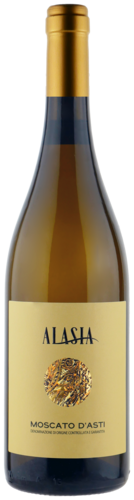
Alasia Moscato d'Asti
Sweet, lightly sparkling wine made from the Muscat grape, with just 5% alcohol. White flowers, table grapes, and pear.
What makes Barolo so special, and how long should you keep it? Find out on our Barolo page.
Roses, cherries, and firm tannins
Roses & cherries
Nebbiolo smells of red cherries, roses, and violets, with notes of tar, truffle, and dried herbs developing after a few years. Barbera smells juicier, of ripe cherries and plums. Dolcetto is mainly fruity.
Fresh and full-bodied
Nebbiolo has high acidity and plenty of tannins. As a result, a young Barolo can feel a little dry and austere. Barbera is fresh with low tannins, while Dolcetto is soft and rounded.
Long and dry
A Barolo or Barbaresco has a long, dry finish with notes of cherries and herbs. Gavi and Arneis finish fresh and mineral, while Moscato is sweet and fruity.
Flavor profile of a typical Nebbiolo from Piedmont. Dolcetto scores lower on freshness and intensity, while Moscato d'Asti scores high on sweetness.
How to serve Piedmontese wine
Red just below room temperature, white and Moscato chilled, and plenty of air for a Barolo.
Red at 16 to 18 degrees
Serve Barolo and Barbaresco at around 17 to 18 degrees. Barbera and Dolcetto can be cooler, around 15 to 16 degrees; that keeps them juicy and fresh. If the bottle is in a warm room, put it in the fridge for fifteen minutes.
More about wine temperature →Let Barolo breathe
A Barolo or Barbaresco is often closed and austere when young. Pour it into a decanter an hour or more before dinner. This softens the tannins and brings out the aromas of roses and cherries. If an older bottle has sediment, stand it upright a day in advance.
Decanters →White wine and Moscato chilled
Serve Gavi and Arneis at 8 to 10 degrees. Moscato d'Asti can be even colder, around 6 to 8 degrees. This keeps it fresh and lively, so the sweetness doesn't feel too heavy.
More about decanting →Piedmontese wine at the table
Piedmont has a rich cuisine featuring braised meat, fresh pasta, truffles, and cheese. Its wines are made for these dishes: their fresh acidity and firm tannins call for food.
Braised meat and truffle
Beef braised in red wine, game, risotto or pasta with truffle, and aged hard cheese. Nebbiolo's tannins call for hearty food.
Pasta and pizza
Thanks to its fresh acidity, Barbera pairs well with tomatoes: pasta with ragù, lasagna, pizza, and a platter of salami.
Antipasti
Dolcetto is the wine to serve with appetizers: Parma ham, carpaccio, steak tartare, and simple pasta.
Fish and dessert
Gavi and Arneis pair well with fish, shellfish, and vitello tonnato. Serve Moscato d'Asti with fresh fruit, pastries, or a light cake.
The right glass for Piedmontese wine
Pour Barolo and Barbaresco into a large red wine glass to let the aromas of roses and cherries develop. An all-purpose wine glass works well for Barbera and Dolcetto, a smaller glass for Gavi, and a tulip-shaped flute for Moscato d'Asti. These are the glasses we recommend ourselves.


Everything you still wanted to know about Piedmontese wine
Can't find your question here? Read more about wine and food, or get in touch.
To wine and food →What is Piedmontese wine?
What is the difference between Barolo and Barbaresco?
What is Nebbiolo?
What is the difference between Barbera and Dolcetto?
How much alcohol does Barolo contain?
What do you eat with Barolo?
Buy wine from Piedmont
Want the bottle delivered straight to your door? Order wine from Piedmont online at Gall & Gall. Gall & Gall has 73, including 1 on sale.
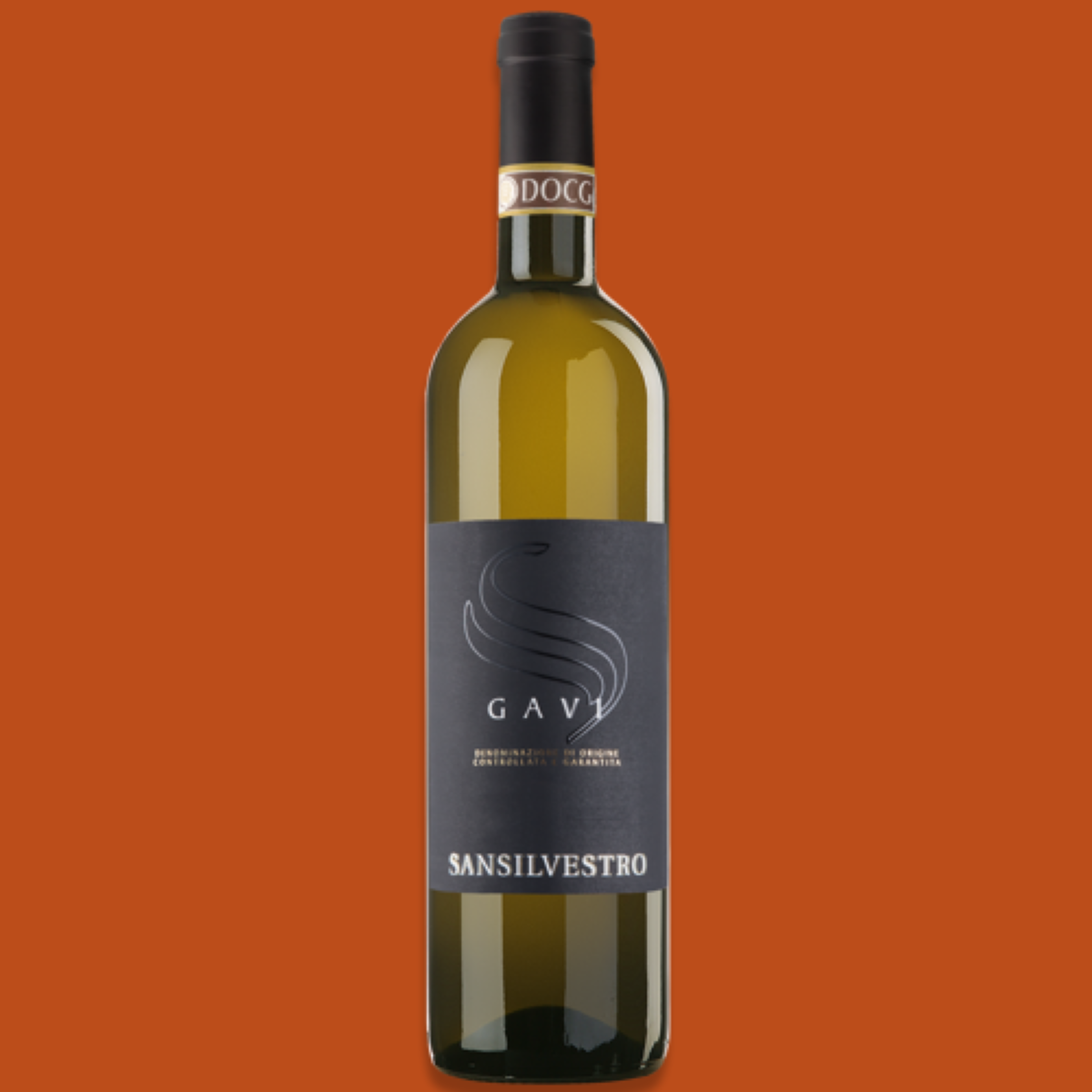
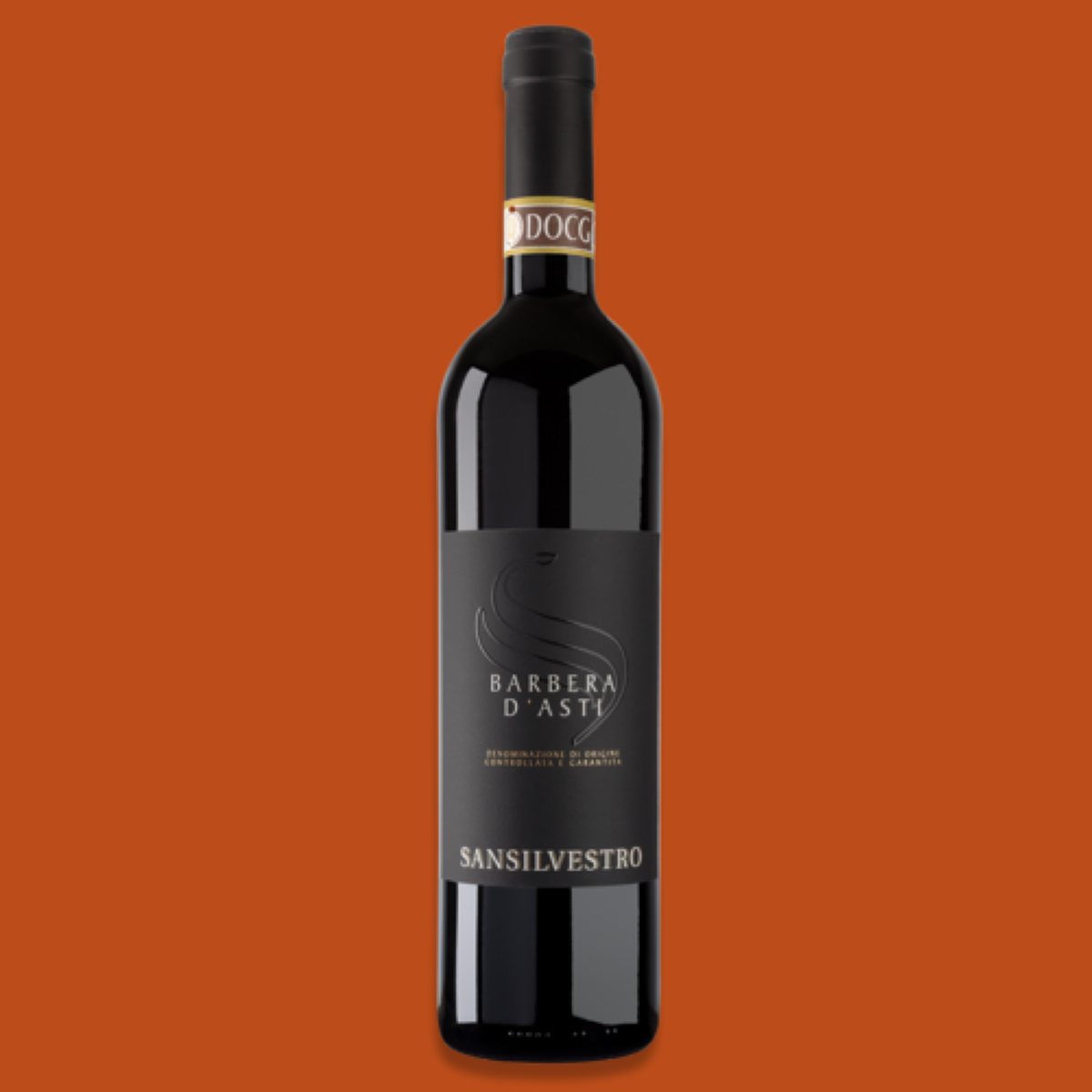
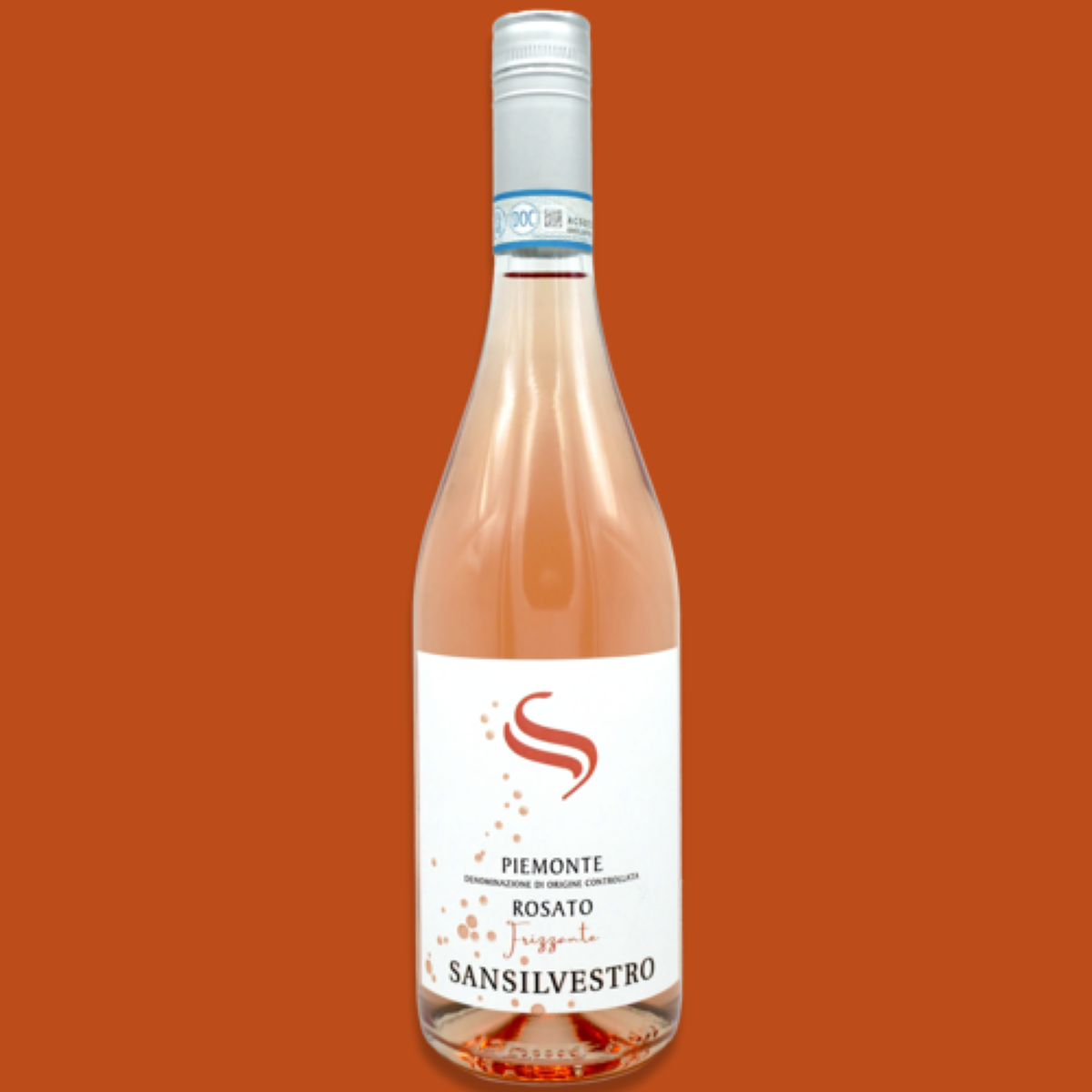
Prices as of November 21, 2026, as provided by Gall & Gall. You can see the current price and stock at Gall & Gall. Glazen.nl receives a small commission if you buy something through these links; you pay nothing extra. No 18, no alcohol.