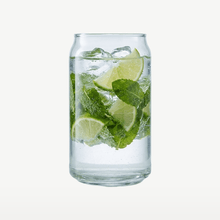
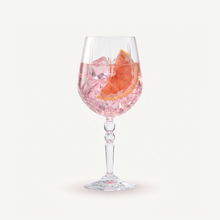
Lehmann Craft Beer Glass 44 Cl - 6 Pieces

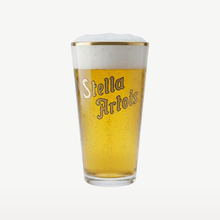
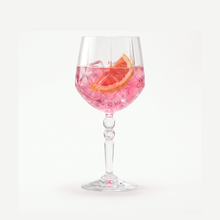
Arcoroc Cervoise Beer Glass 38 Cl - 6 Pieces

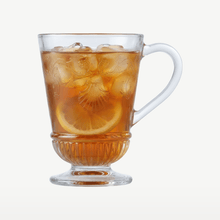
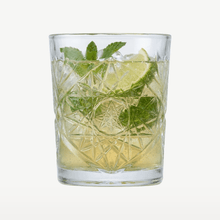
Spiegelau Lifestyle Beer Glass 44 cl - 2 Pieces
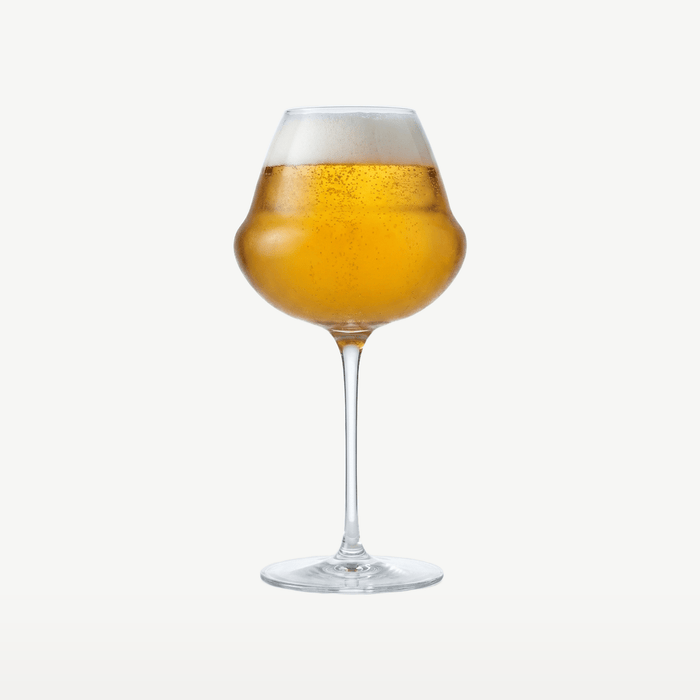
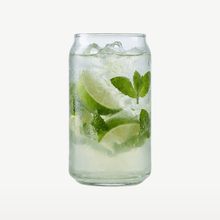
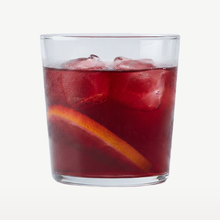
Lehmann Oenomust Beer Glass 42 Cl - 6 Pieces

How to pour it
an abbey-style beer in
Rinse the goblet with cold water and leave it wet. The head clings better to a wet, cool glass, while grease or soap residue makes the foam collapse immediately. So don’t dry the glass with a tea towel.
Hold the goblet at an angle of about forty-five degrees and pour gently against the inside wall. Pour continuously without stopping, because each pause creates coarser foam. Don’t let the bottle touch the rim of the glass.
Set the glass upright when it is about two-thirds full and pour the rest into the center of the beer. That’s where the head forms. In a wide goblet, two centimeters of foam above the beer is a good measure.
Many abbey beers undergo secondary fermentation in the bottle and leave a layer of yeast at the bottom. Leave the last centimeter if you want the beer clear, or swirl the bottle at the end if you'd like to include the yeast. Serve at 8 to 12 degrees.
What did you think of this guide?
Just click a star once. If you'd like to add a comment, we'll review it before it appears here.
Save this page
Email this page to yourself so you have the information handy when it's time to pour. You'll also get a € 5 discount code on purchases of € 50 or more, for the glasses that go with it.
The story
Abbey beer is a name you buy on the label, not a certification that says where it was brewed. A regular brewery makes the beer and uses the name of an abbey, sometimes under license from an abbey that still exists, sometimes from one that no longer does. That's different from Trappist beer, where the Authentic Trappist Product logo requires the beer to be brewed within the abbey walls, under the monks' supervision, with the proceeds going to the community. In Belgium, abbey beer does have its own certification, Erkend Belgisch Abdijbier, which requires a connection to an existing or former abbey.
The right glass
Abbey beer is almost always served in a stemmed glass: a wide goblet or tulip shape that holds the aroma, with a stem or foot so your hand doesn't warm the beer. Forty centiliters gives a 33 cl bottle room for a full head. The heavier, wider models are in the specialty beer glasses collection.

Onis Munique Beer Glass 40 cl on Stem (6 pieces)

Arcoroc Cervoise Beer Glass 50 cl (6 pieces)
Both sets together € 63,90.
The right glass
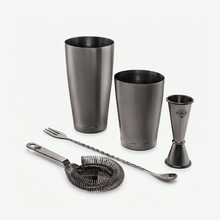
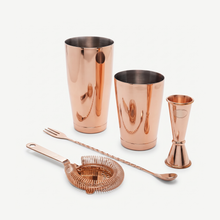
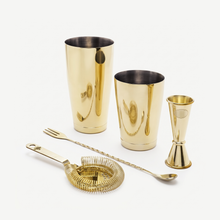
For abbey beer, you need little besides the glass; this is what we keep on the same table: a jigger to measure a shot of spirits precisely and cocktail picks for the cheese or sausage served alongside. These are the bar tools we use ourselves; find everything in our bar tools & cocktail sets.


Glass set (our choice 01) + 2 bar tools together € 71,85.
What to pour alongside it?
The beer itself takes center stage here; this is what we have alongside it. A small glass of liqueur or amaretto after dinner complements the sweet, malty character of a dubbel. On every drinks page, you can read about the alcohol content, how it tastes, which cocktails go with it and which glass you need.


Variations & twists
Abbey beer mainly includes blonde, dubbel and tripel, and some breweries also make a quadrupel or a bruin. Blonde is straw yellow and dry, dubbel is dark brown and malty with caramel and dried fruit, and tripel is golden blonde and spicy from the yeast. The alcohol content ranges roughly from 6 to 7 percent for a blonde, to 8 to 9 percent for a tripel, and higher for a quadrupel. You’ll find the same style names among Trappist beers, too; they aren’t protected. Want to read more? Browse all drinks and brands.
Serving tip
Serve abbey beer at 8 to 12 degrees. Straight from the fridge is too cold: you won't smell much of its spicy and fruity notes and will mostly taste the carbonation. Let the chalice sit for a moment after pouring so the head can settle before you start.
Good to know
What abbey beer does and doesn’t say
Abbey beer says something about the name and usually the style, but nothing about where the beer is brewed. It comes from a regular brewery. Sometimes it’s licensed by an abbey that still exists; sometimes the abbey has disappeared and only the name lives on.
The Belgian certification
In Belgium, there is a certification called Recognized Belgian Abbey Beer. To qualify, there must be a demonstrable connection to an existing or defunct abbey, the abbey must have a say in the use of its name, and part of the proceeds must go to the abbey or to charity. So it’s stricter than simply putting an abbey name on the label, but it still says nothing about where the beer is brewed.
The difference from Trappist in one sentence
Trappist is about the location and where the money goes: within the abbey walls, under the supervision of the monks, with proceeds going to the community and to charity. Abbey beer is about the name and the style. So an abbey beer can easily resemble a tripel without ever having been brewed anywhere near an abbey.
Why it almost always has a stem
A chalice or stemmed tulip glass holds the aroma in the bowl and keeps the head in place. The base or stem keeps your hand away from the beer, which makes a difference with a beer you drink at 8 to 12 degrees and don’t down in a few sips. It’s also the glass most abbey breweries use to serve their beer.
The layer of yeast at the bottom
Many abbey beers undergo secondary fermentation in the bottle, leaving a thin layer of yeast behind. That’s part of the deal. Pour slowly and leave the last centimeter in the bottle to keep the beer clear; swirl the bottle at the end and it will become cloudier and fuller in flavor.
Frequently asked questions
What exactly is abbey beer?
Beer with an abbey name on the label, brewed by a regular brewery, sometimes under license from an existing or defunct abbey. The name says something about the recipe’s origins and the style, not where the beer is brewed.
What is the difference between abbey beer and Trappist beer?
Trappist is an origin designation: the beer must be brewed within the walls of a Trappist abbey, under the supervision of the monks, and the proceeds must go to the community and to charity. Abbey beer has no such requirement; it’s about the name and the style. In the glass, they often look alike.
Is there a certification for abbey beer?
Yes, in Belgium: Recognized Belgian Abbey Beer. This requires a demonstrable connection to an existing or defunct abbey, the abbey's control over the use of its name, and a portion of the proceeds going to the abbey or a charity. It still says nothing about where the beer is brewed.
Which styles are considered abbey beer?
Mainly blonde, dubbel and tripel, and some breweries also make a quadrupel or a brown ale. Blonde beer is roughly 6 to 7 percent ABV, while tripel is 8 to 9 percent. Serve them in a stemmed chalice at 8 to 12 degrees.
Also delicious
Buy abbey beer
Want the bottle delivered straight to your door? Order abbey beer online at Gall & Gall. Gall & Gall has 9.
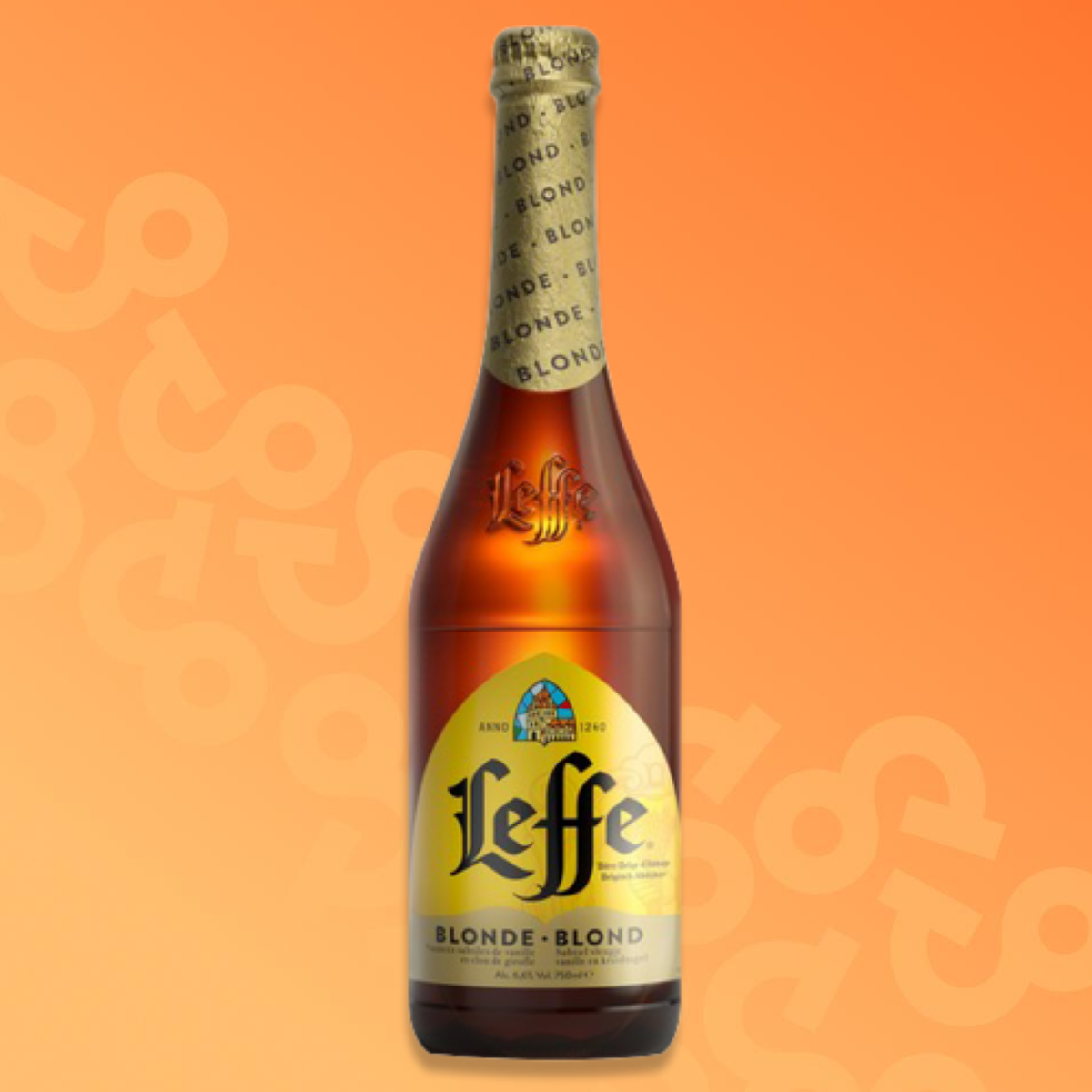
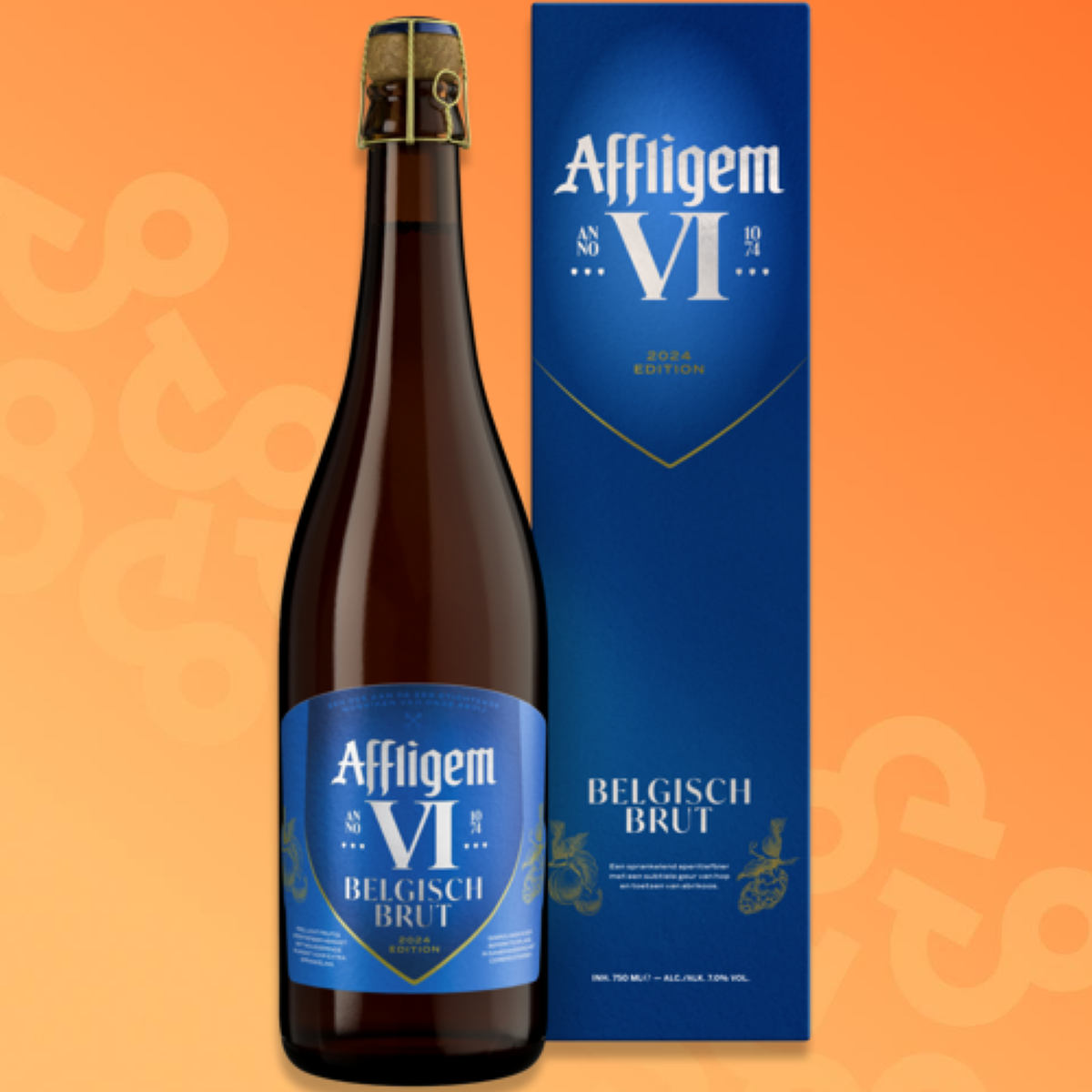
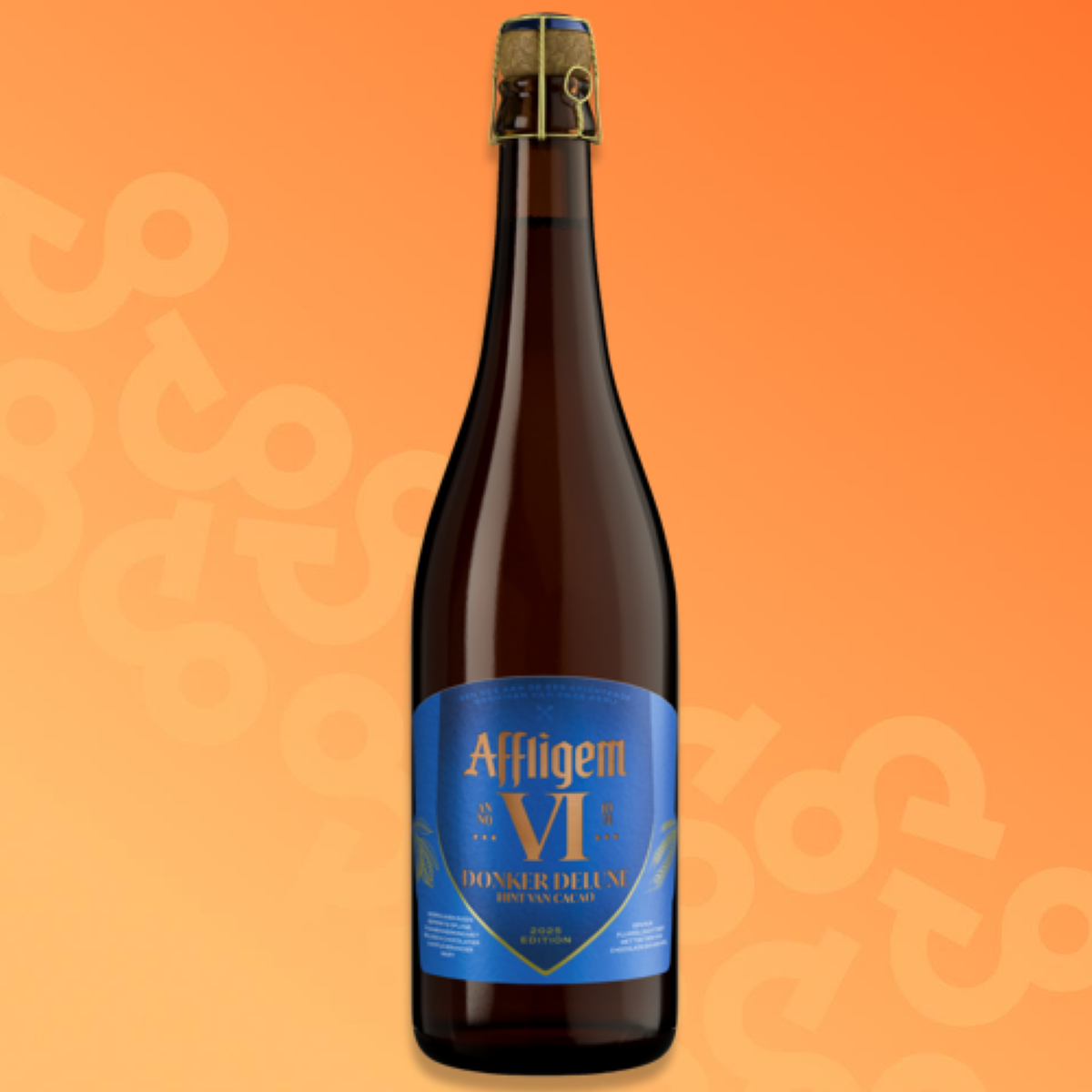
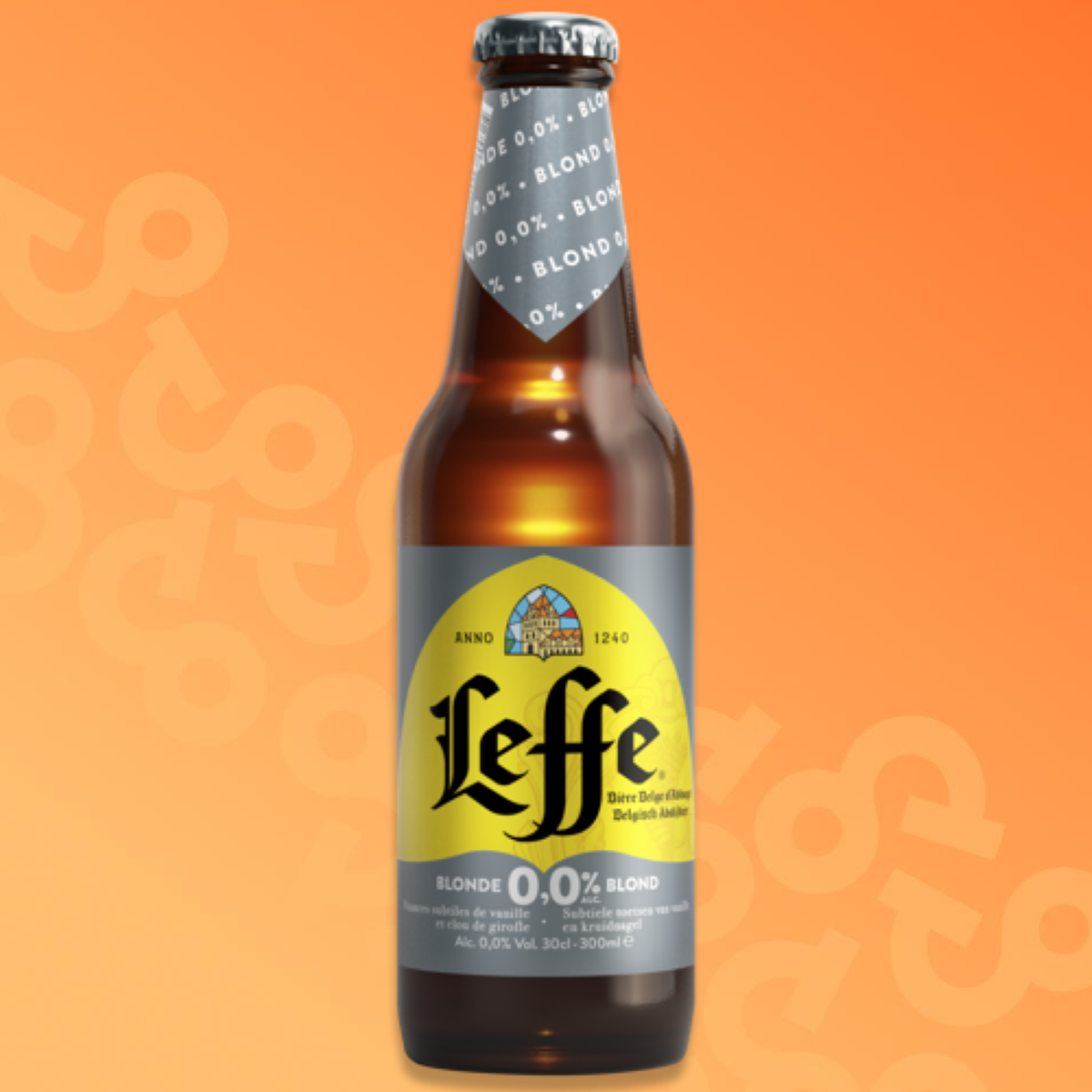
Prices as of November 14, 2026, as reported by Gall & Gall. You can see the current price and stock at Gall & Gall. Glazen.nl receives a small commission if you buy something through these links; you pay nothing extra. You must be 18 or older. No alcohol.
Everything for your bar,
at one address
Hospitality-quality glasses, sold in sets. Order today, delivered quickly.
Shop for glasses →