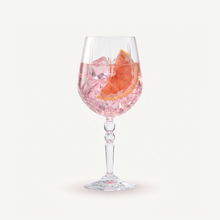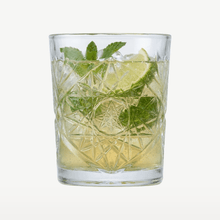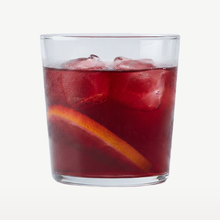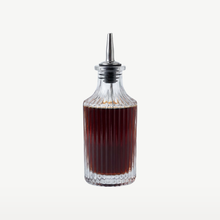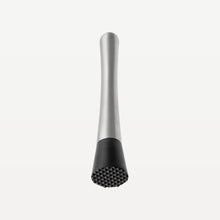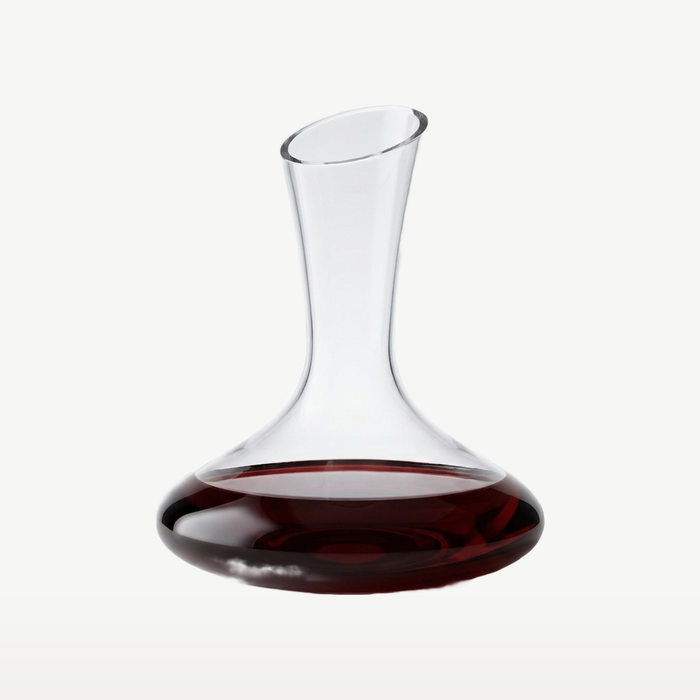
Bar Professional Glass Decanter
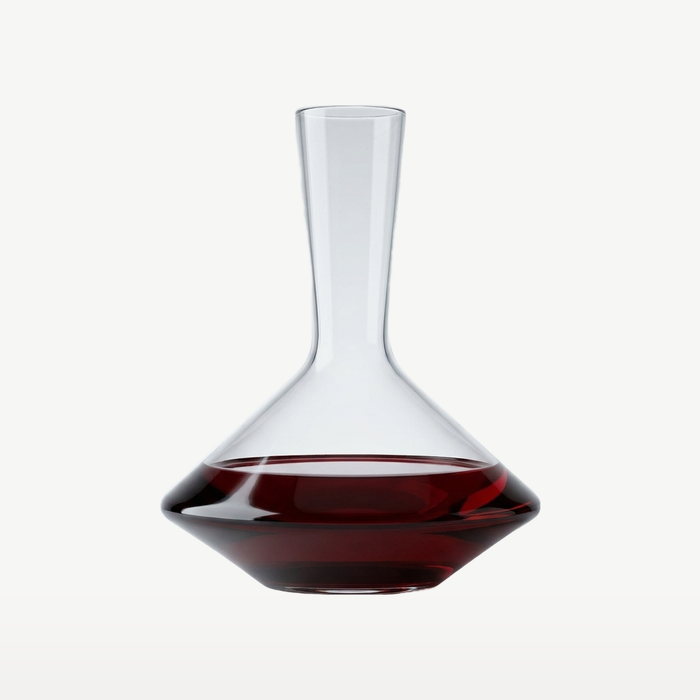
Zwiesel Glas Belfesta Red Wine Decanter 75 Cl
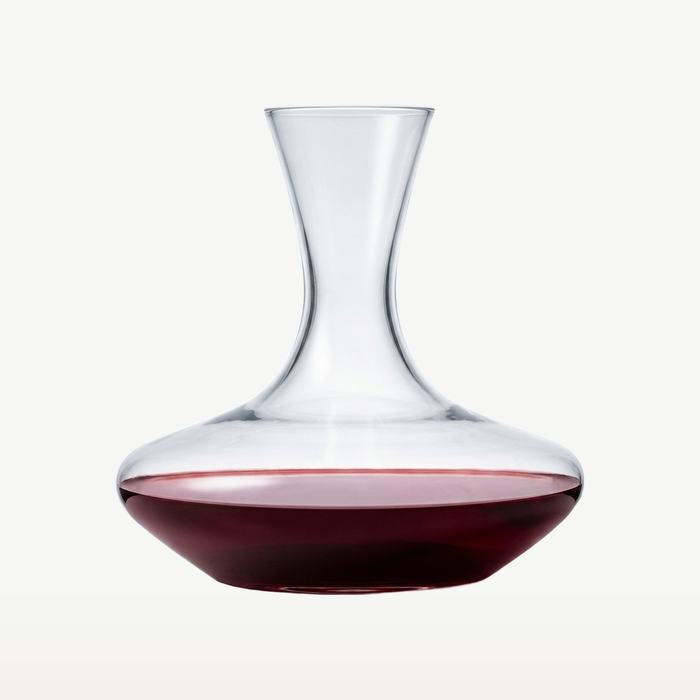
Zwiesel Glas Pollux Decanter 100 Cl

What the residue is
Red wine leaves a purple ring of pigment and tartrate, especially if the decanter is left standing overnight. Tea leaves a brown tannin residue. And water leaves limescale: a white haze that won’t come off with soap. All three cling where the brush can’t reach, at the bottom of the bowl and in the neck.
So rinse a decanter with hot water immediately after use, and most of it will come right off. Read about the different types in our article on decanters.
How to get it clean
Wine and tea: put a tablespoon of baking soda or a dishwasher tablet in the decanter, fill it with hot water, leave it for an hour, swirl it around, and rinse. Limescale: mix one part cleaning vinegar with two parts warm water and leave it for a few hours. For stubborn stains: put a handful of uncooked rice, a splash of water, and a drop of dish soap in the decanter and swirl vigorously. The rice loosens the residue without scratching the glass. Coarse salt and ice cubes work the same way.
For a decanter with a very narrow neck, use a decanter brush: a long, flexible brush with soft bristles, or small stainless-steel cleaning beads that you swirl around and pour out again. No scouring pads or chains.
Drying without spots
Rinse with hot water and place the decanter upside down on a decanter stand or in a glass, so air can circulate and the water can drain out. Drying it upright leaves limescale spots on the bottom. A rolled-up piece of paper towel in the neck will absorb the last drops. Don’t dry it with a tea towel; you can’t reach inside, and it will leave lint.
A crystal decanter should not go in the dishwasher; tempered glass and crystal glass can sometimes go in, if it fits and the neck doesn’t touch the spray arm. Read all about the materials in our article on crystal glass. Browse our decanters.
The decanters
Spiegelau’s Authentis decanter holds 1 liter and has a wide bowl and a neck that still fits a brush. The 2.9-liter Lifestyle decanter is for a full magnum. Find all the shapes in the wine decanters collection.

Spiegelau Authentis Decanter 1 liter

Spiegelau Lifestyle Decanter 2.9 liters
Good to know
Can a decanter go in the dishwasher?
Not lead crystal. Crystal glass and tempered glass are fine if it fits upright. Often, handwashing is the only option.
How do you remove whiskey residue from a decanter?
Whiskey leaves little residue; rinsing with hot water is usually enough. Baking soda removes a brown ring.
How often should you clean a wine decanter?
Rinse after every use, and give it a baking soda bath once a month if you use it often for red wine. Read about decanting on our page about decanting wine.
Frequently asked questions
How do you remove residue from a decanter?
Use baking soda and hot water for red wine and tea, vinegar for limescale, and swirl rice and water around for stubborn stains. Browse our wine decanters.
How do you clean a decanter with a narrow neck?
With a long, soft decanter brush or stainless steel cleaning beads that you swirl around.
How do you dry a decanter without spots?
Upside down on a stand or in a glass, so the water can drain out. Don’t leave it to dry upright.
Everything for your table,
at one address
Hospitality-quality decanters and glasses. Order today, delivered quickly.
Shop decanters →