





Sweet white wine
Sweet white wine is white wine in which sugar from the grape remains after fermentation. This can be very light, as with moscato, or honey-sweet, as with sauternes. Here you can read how white wine becomes sweet, what types there are and what to eat with it.

Sweet wine by grape and region
Sweet white wine is a collective term. We have a dedicated page for the best-known types, from light moscato to noble-sweet sauternes.
Moscato
Lightly sweet, lightly sparkling wine made from the Muscat grape, with just 5 to 5.5% alcohol.
About Moscato →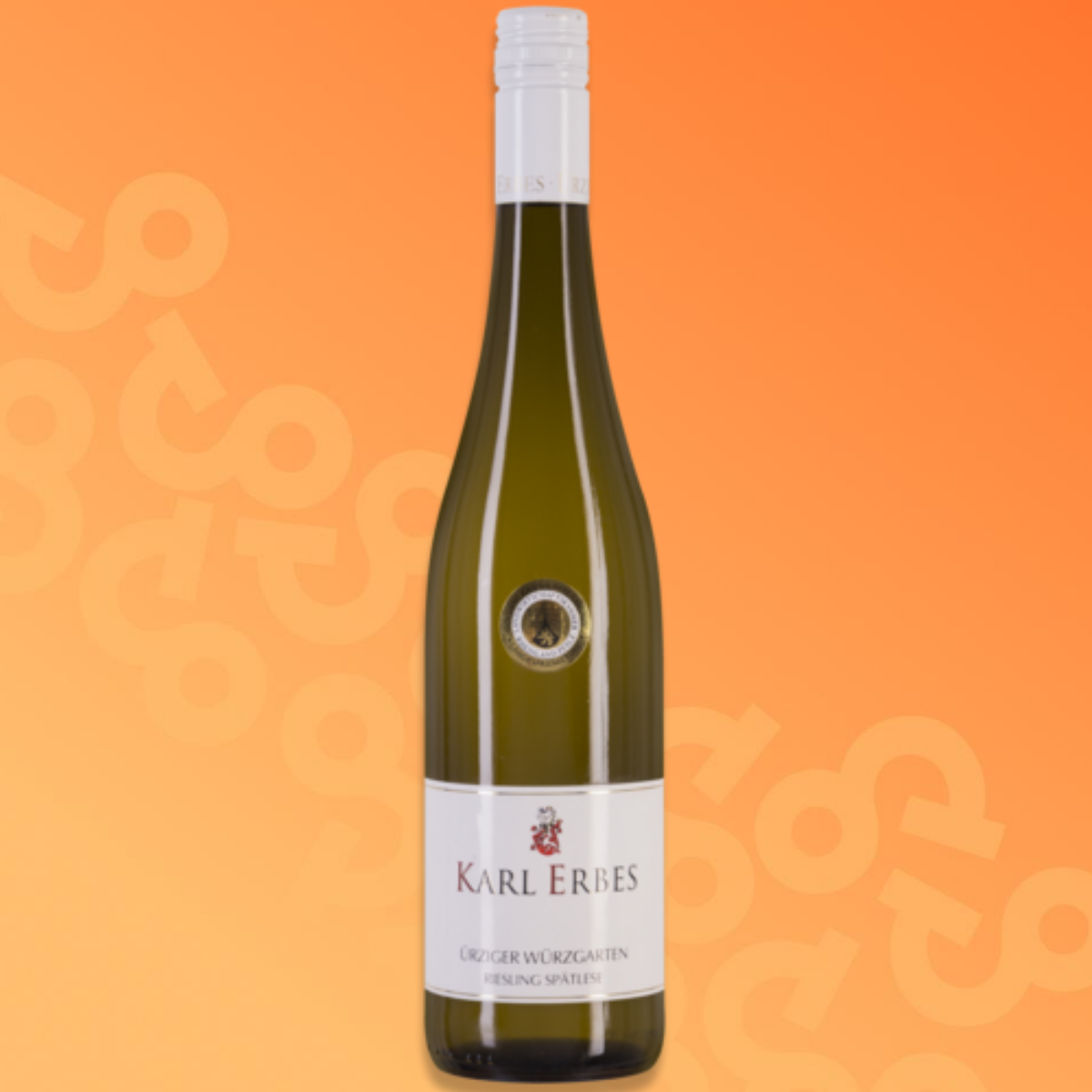
Riesling
The grape behind most German sweet wines, with plenty of fresh acidity to balance the sweetness.
About Riesling →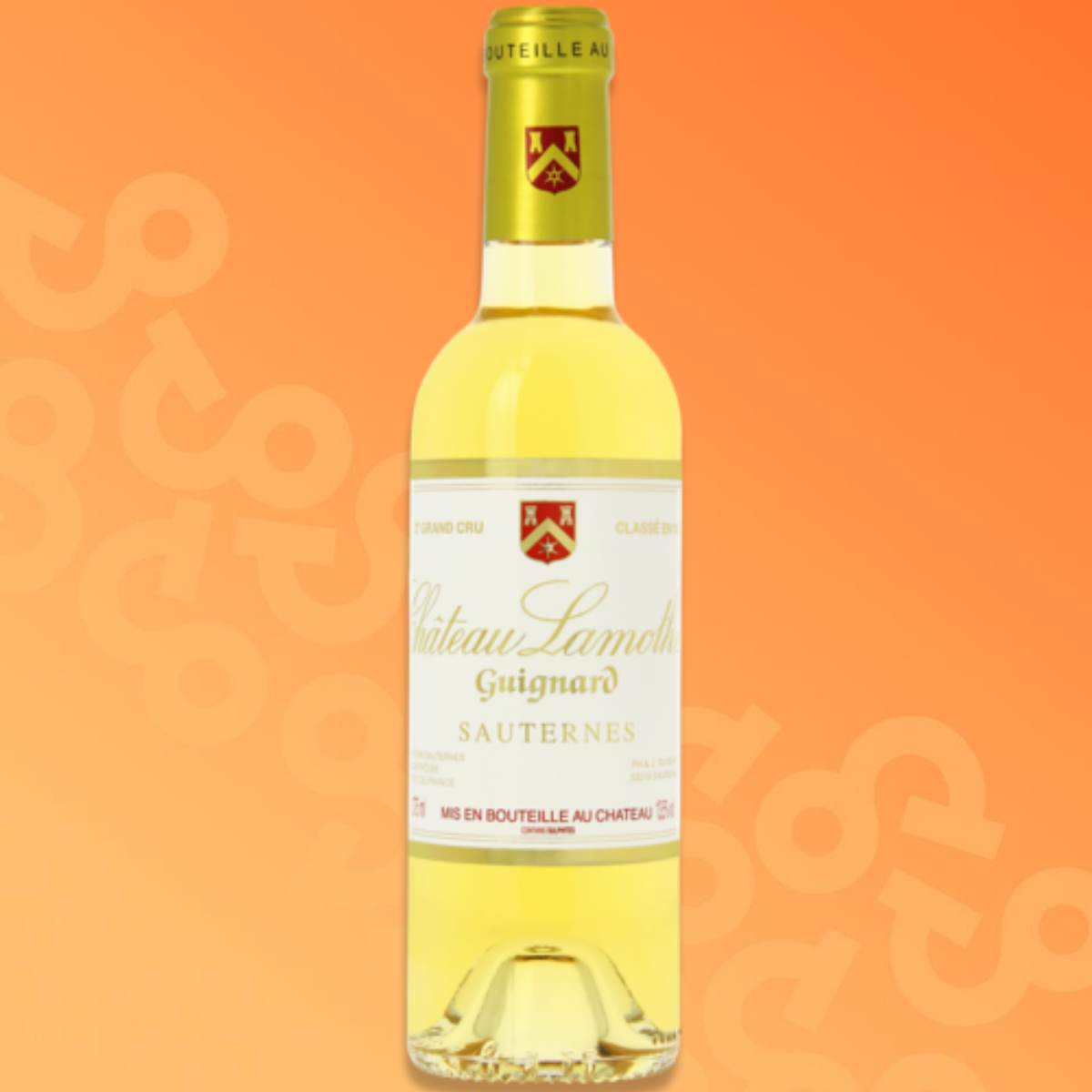
Sauternes
The world's best-known noble-sweet wine, made from sémillon and sauvignon blanc affected by noble rot.
About Sauternes →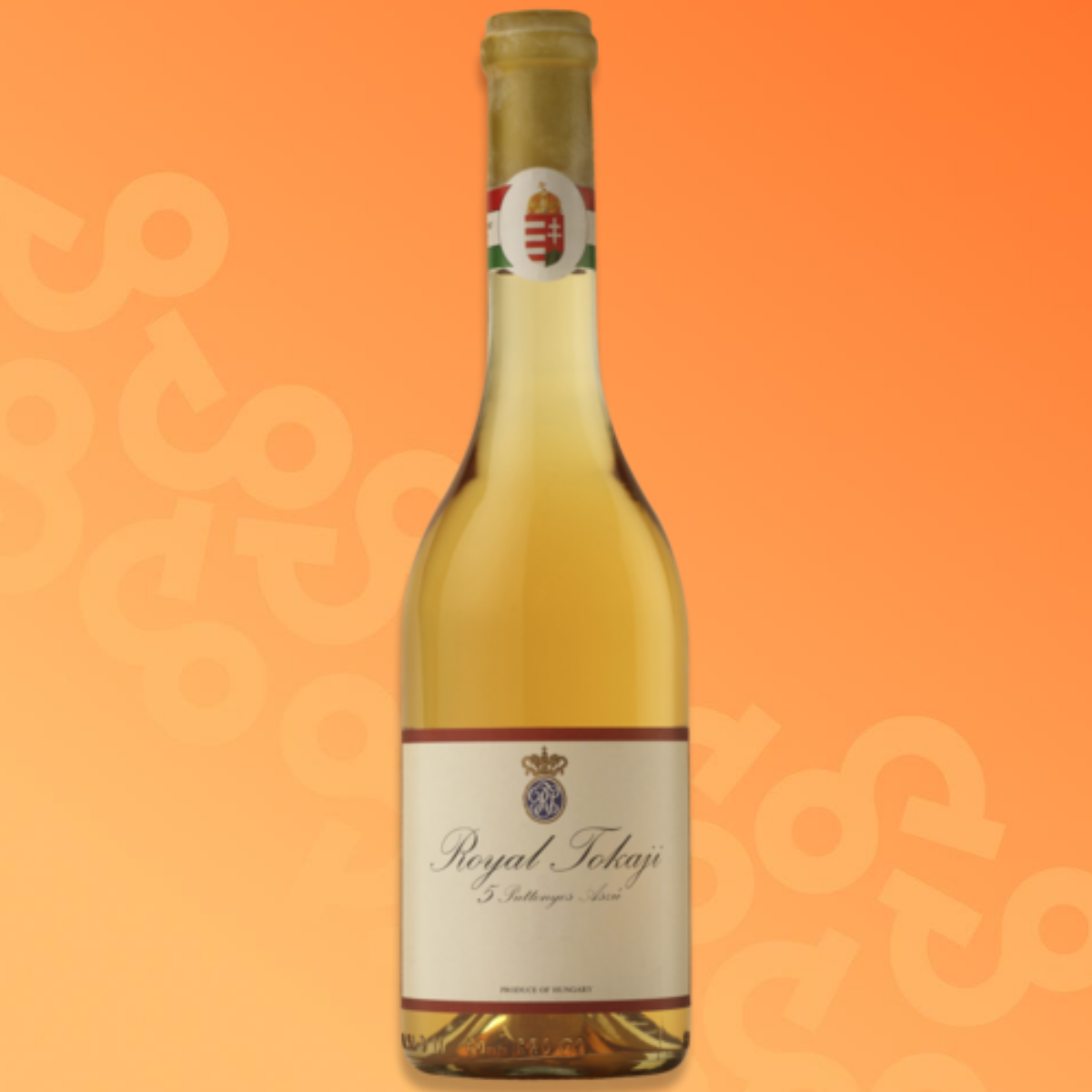
Sugar left behind by the yeast
When wine is made, yeast converts the sugar in grape juice into alcohol. If this process continues all the way, you get dry wine. If sugar remains, it is called residual sugar, and the wine tastes sweet. Under European regulations, wine may be called sweet from 45 grams of sugar per litre. Between approximately 12 and 45 grams, a wine is called medium-sweet; in shops, you will often see the term lightly sweet used instead. A German Kabinett with 40 grams of residual sugar is a good example.
There are a few ways to retain that sugar in the wine. The simplest is to stop fermentation at the right time by cooling and filtering the wine. This produces moelleux wines from France and many lightly sweet wines. If you want more sweetness, the grapes themselves need to contain more sugar. To achieve this, the winemaker leaves the grapes hanging longer (late harvest, spätlese or vendanges tardives), lets them dry on mats or in sheds (passito, recioto, vin santo), or waits for noble rot: a fungus that punctures the skin, causing water to evaporate while sugar and acids remain. This is how sauternes, tokaji and beerenauslese are made. A final method is fortification: adding alcohol during fermentation immediately stops the yeast. This is how muscat de Beaumes de Venise is made.
In brief
Twenty bottles, from lightly sweet to noble sweet
Gall & Gall has around 57 sweet white wines and dessert wines. We have grouped them by how they become sweet, as this determines the flavor more than the country. From light and fresh at the top to rich and concentrated at the bottom.
Lightly sweet and light. Fresh, fruity and often low in alcohol. Delicious as an aperitif or on the terrace.
Alasia Moscato d'Asti
Lightly sparkling sweet wine made from muscat grapes, with white flowers, table grapes and pear.
Bruce Jack Moscato
The South African answer to moscato d'Asti, made from muscat d'Alexandrie, also known there as hanepoot.

Torres Viña Esmeralda
Moscatel and gewürztraminer. Aromatic, with lychee, roses and muscat grapes, and lightly sweet.
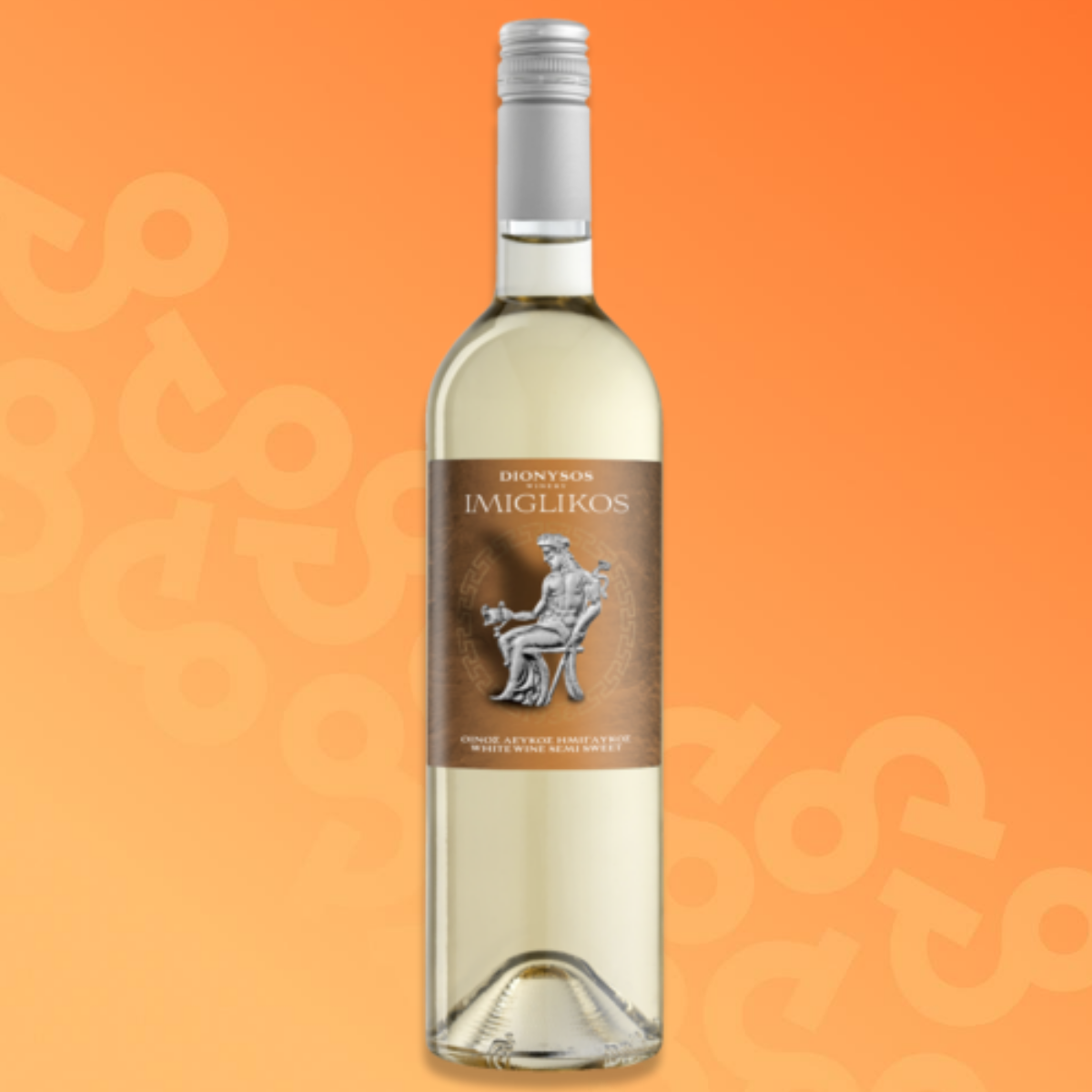
Dionysos Imiglykos
Imiglykos is Greek for semi-sweet. Made from roditis, muscat and moschofilero, with citrus and fresh acidity.
Riesling from Germany. Kabinett, spätlese and auslese indicate how ripe the grapes were at harvest. The higher up the scale, the fuller and usually sweeter the wine.
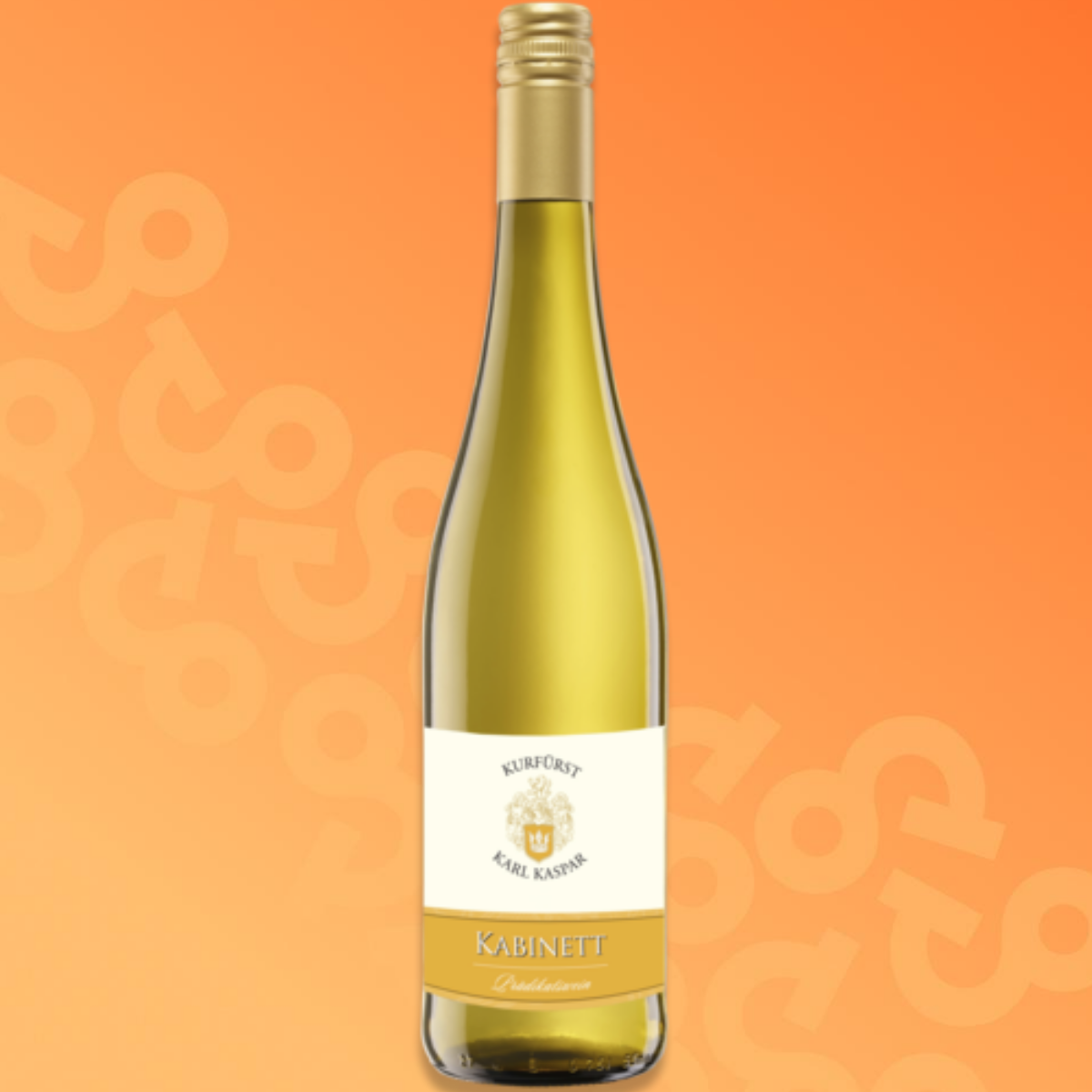
Kurfürst Karl Kaspar Kabinett
With 40 grams of residual sugar per litre, this is a lightly sweet wine, known as lieblich in Germany. Fresh, with apple and tropical fruit.
Karl Erbes Riesling Spätlese
Late-harvest riesling from the Ürziger Würzgarten vineyard. Low in alcohol and with plenty of residual sugar.

Karl Kaspar Auslese
Made from selected ripe grapes. Sweet yet fresh, with tropical fruit, orange marmalade and honey.
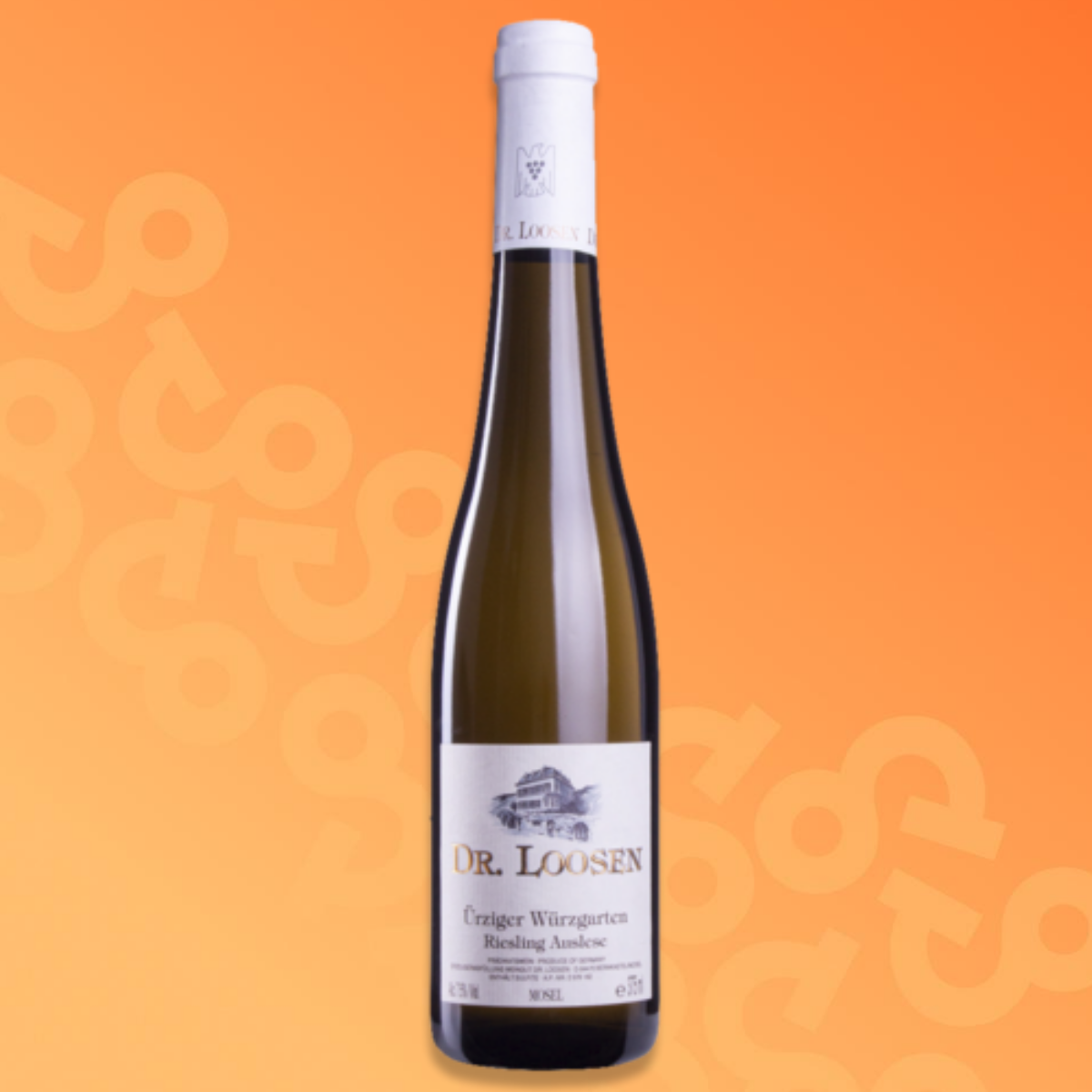
Dr. Loosen Riesling Auslese
Sweet riesling from a very steep vineyard in a bend of the Moselle.
Moelleux and late-harvest wines from France. Soft, sweet wines from Bordeaux, the Loire and Alsace.

Comte du Haut-Lescourey Moelleux
Sémillon provides honey, while sauvignon blanc brings freshness and lemon. Moelleux means soft.

Loire Valley Vouvray
Off-dry chenin blanc from Vouvray, with yellow apple and nectarine.

Château de la Roulerie Coteaux du Layon
Sweet chenin blanc with apple, pear, honey, almond and pineapple.

Adam Pinot Gris Vendanges Tardives
Sweet wine made from late-harvest pinot gris. Vendanges tardives is French for late harvest.
Noble-sweet. Made from grapes affected by noble rot. Rich and complex, with fresh acidity that carries the sweetness.
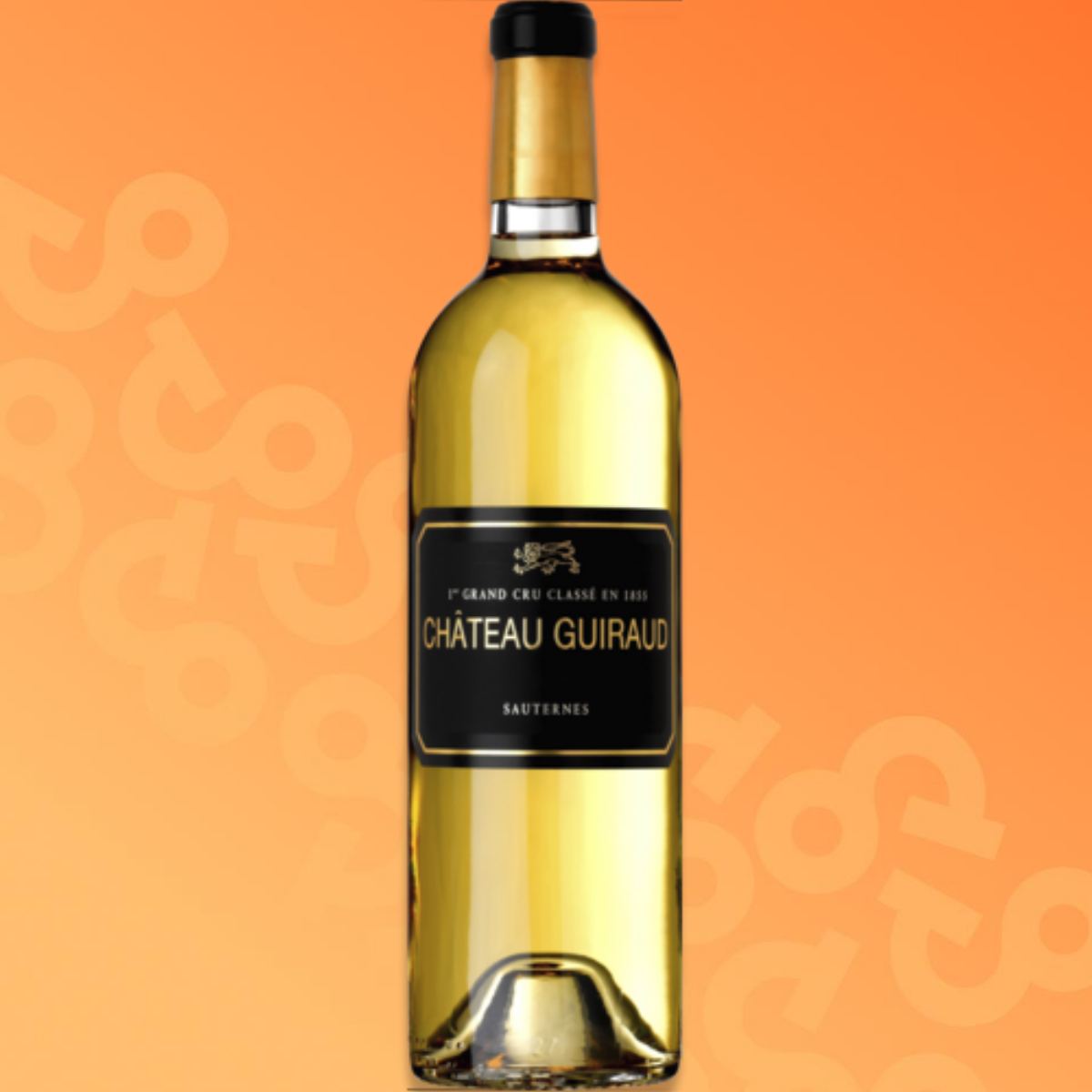
Château Guiraud
Sémillon and sauvignon blanc affected by botrytis. Raisins, orange marmalade, apple pie, honey and caramel.
Château Lamothe Guignard
Apricot marmalade, vanilla, almond, honey and pineapple. Half a bottle is enough for a table.
Royal Tokaji 5 Puttonyos Aszú
Noble-sweet tokaji with honey, peach, spices and orange marmalade.

Domaine Andau Beerenauslese
Made from grapes affected by noble rot near Lake Neusiedl. Passion fruit, honey and lemon.
Dried and fortified. True dessert wine: concentrated, often in a small bottle, and a dessert in its own right.
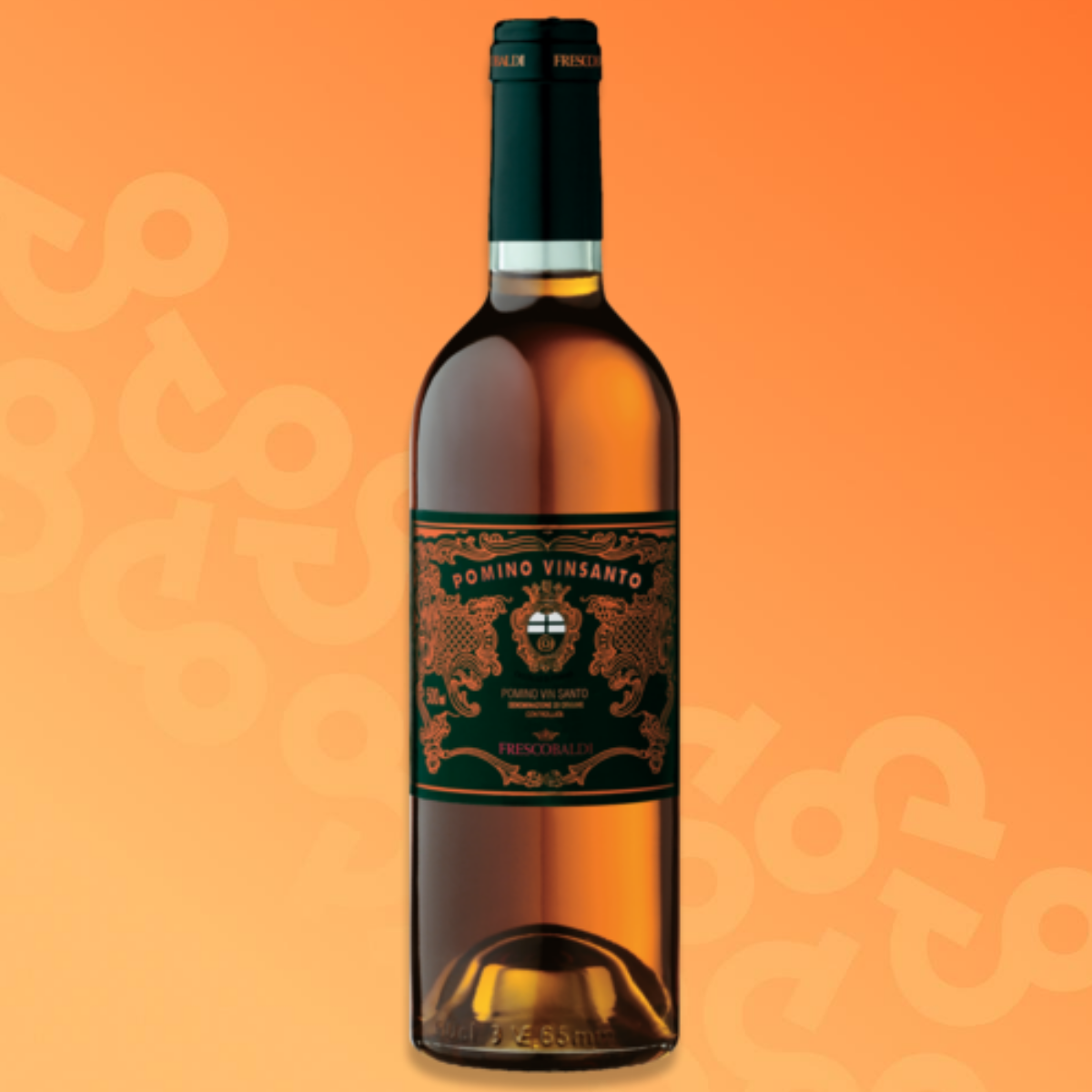
Pomino Vin Santo
Made from dried trebbiano and malvasia bianca grapes. Nutty, with hazelnut, dried apricot and lemon zest.
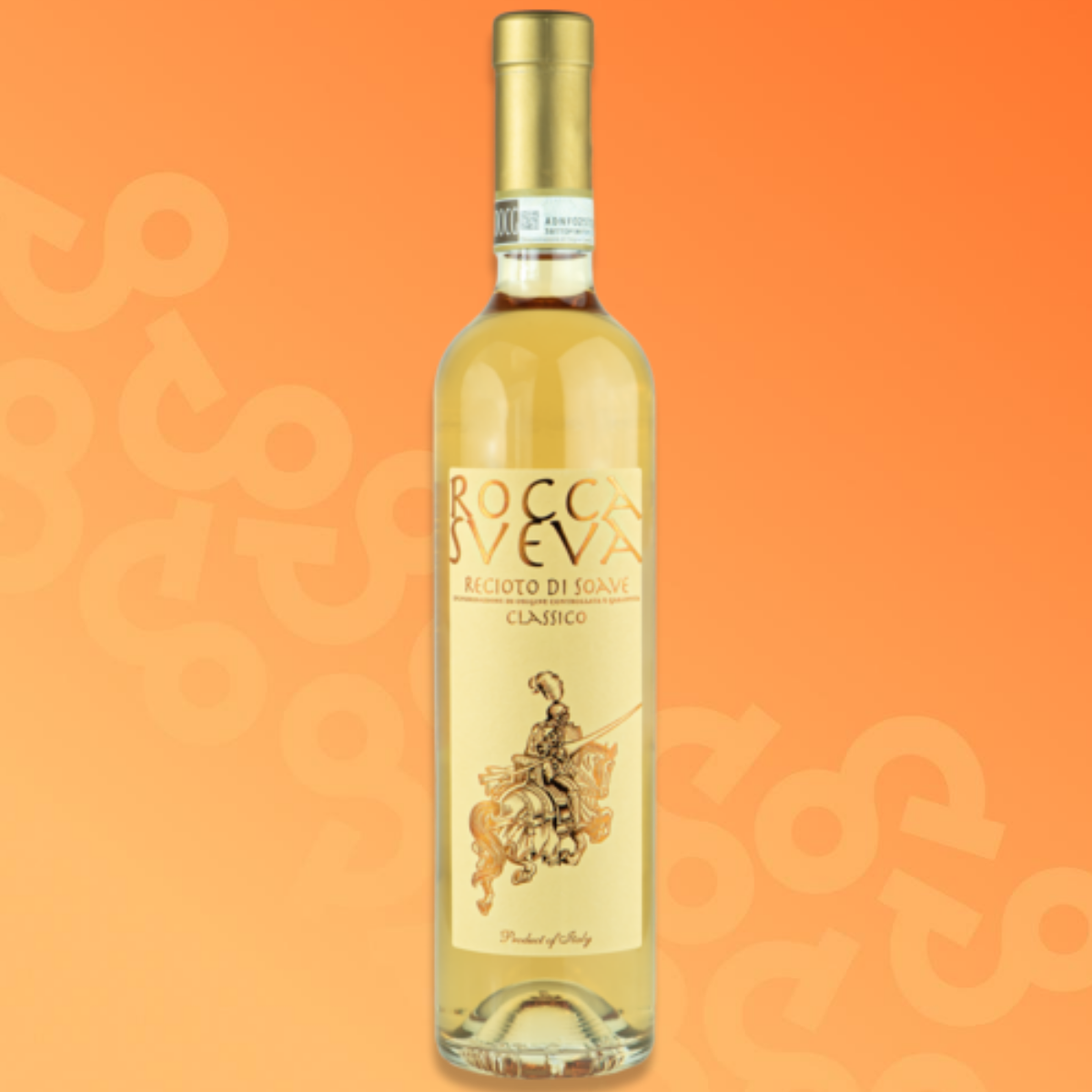
Rocca Sveva Recioto di Soave
White recioto made from dried garganega grapes. Raisins, honey, apricot, banana and vanilla.

Planeta Passito di Noto
Made from dried moscato bianco grapes. Honey, nougat, apricot, lemon, roses and ginger.
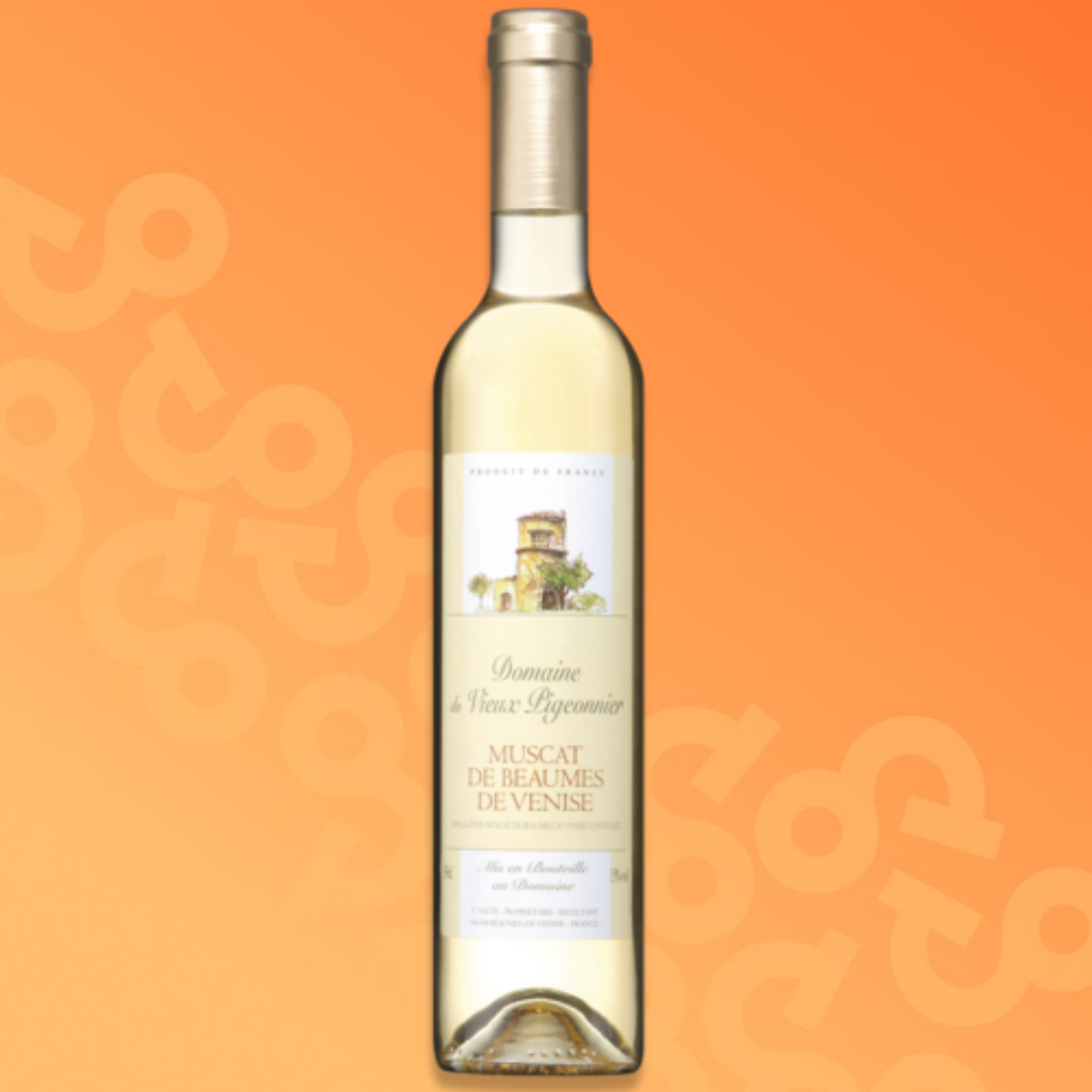
Muscat de Beaumes de Venise
Fortified muscat with a generous amount of residual sweetness. The added alcohol stopped the fermentation.
On our dessert wine page, you can read more about port, tokaji, vin santo and other wines to enjoy after a meal.
Honey and fruit, carried by fresh acidity
Flowers, fruit & honey
Muscat grapes smell of grapes, roses and white flowers. Riesling smells of apple and peach. Noble sweet wines also bring honey, apricot and orange marmalade aromas.
Sweet but fresh
A good sweet wine is never sticky. The grape's acidity keeps the sweetness in balance. That's why a Riesling Spätlese with 7.5% alcohol still tastes lively.
Long and rich
Noble sweet and dried wines linger, with caramel, nuts and dried fruit. Lightly sweet wine has a short, fresh finish.
Flavor profile of an average sweet white wine. Moscato or Kabinett scores lower on sweetness; Sauternes, Tokaji or vin santo scores higher on sweetness and intensity.
How to serve sweet white wine
Sweet wine should be well chilled. This keeps it fresh and prevents the sweetness from becoming heavy.
Cold, at 6 to 10 degrees
Serve lightly sweet wine and Moscato at 6 to 8 degrees. Sauternes or Tokaji can be served slightly warmer, around 8 to 10 degrees, so you can smell the honey and fruit properly. If served too warm, sweet wine quickly tastes syrupy.
More about wine temperature →Lightly sweet as an aperitif
A Moscato d'Asti, Kabinett or Imiglykos works well at the start of the evening. Low in alcohol, fresh and fruity. Fill a standard white wine glass halfway.
To the lightly sweet bottles →Dessert wine in a small glass
Rich wines such as Sauternes or vin santo are enjoyed in small sips, so pour less than you would for dry wine. A 37.5 or 50 cl bottle is therefore often enough for an entire table. With a stopper, an opened bottle will keep for a few days in the refrigerator.
To the glasses →Sweet white wine at the table
The rule of thumb: the wine should be at least as sweet as the dish. Otherwise, the wine tastes sour. But sweet wine also pairs well with savory food, especially salty and spicy dishes.
Fruit and light dessert
Fruit salad, strawberries, peach tart or sorbet. Lightly sweet wine is also delicious with a summery lunch.
Spicy and Asian
A lightly sweet Riesling, Viña Esmeralda or Vouvray tempers the heat of curry and Thai or Chinese food.
Cheese and pâté
Blue cheese such as Roquefort, pâté or foie gras. Salt and sweetness enhance each other. Also delicious with crème brûlée.
Cookies and nuts
Cantuccini for dipping in vin santo, nut tart or almond cookies. Or enjoy a glass instead of dessert.
The right glass for sweet white wine
Serve lightly sweet wine in a standard white wine glass. For a rich dessert wine, choose a smaller glass so you pour smaller portions while keeping the aroma concentrated. These are the glasses we recommend ourselves.


Everything else you wanted to know about sweet white wine
Can’t find your question here? Read more about dessert wine or get in touch.
To dessert wine →What is sweet white wine?
How is white wine made sweet?
Which sweet white wine is good for beginners?
How much alcohol is in sweet wine?
What do you eat with sweet white wine?
Which glass and temperature are right for sweet white wine?
Buy sweet white wine
Want the bottle at home right away? Order sweet white wine online from Gall & Gall. Gall & Gall has 55, 7 of which are on sale.
Château de la Roulerie Coteaux du Layon

Château Suduiraut Sauternes
Prices as of October 9, 2026, as provided by Gall & Gall. You can find the current price and stock at Gall & Gall. Glazen.nl receives a small commission if you buy something through these links; you pay nothing extra. No 18, no alcohol.