

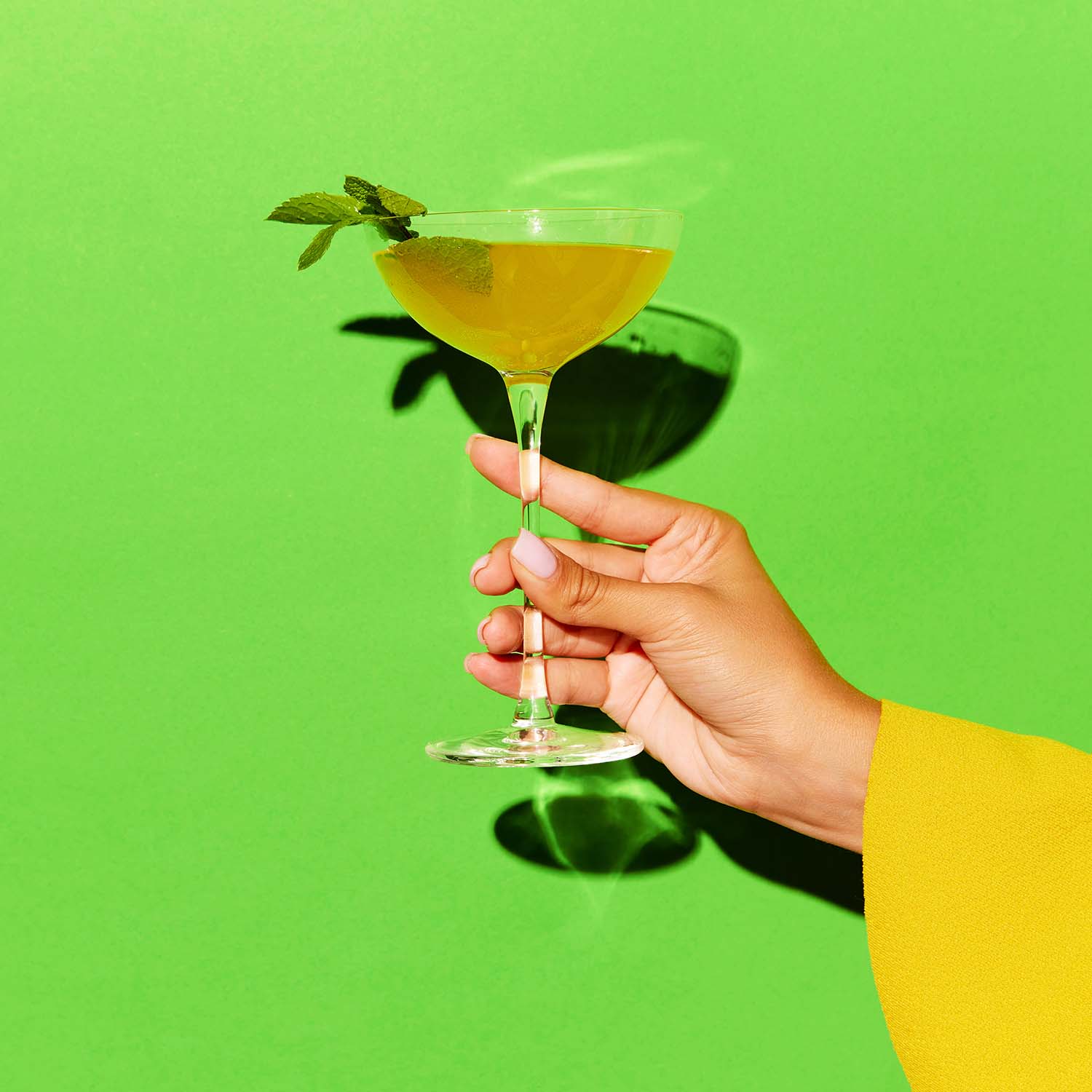




The Fruit Juice recipe
for your table
Juice the oranges with a citrus press and collect the juice in a measuring cup. Four fruits yield about twenty centilitres of juice, depending on how juicy they are. Do not press too hard against the white inner part of the peel, as that is where the bitterness is.
Put the apple and carrot through a juicer or slow juicer. If you don't have one, blend them finely with a splash of water and push the mixture through a fine sieve. Apple and carrot together produce a thicker and sweeter juice than citrus.
Mix the juices in the measuring cup and season the mixture with the lemon juice. Start with two parts citrus to one part apple and carrot, taste, and adjust. Lemon juice keeps the apple's colour brighter and makes a sweet mixture more vibrant.
Stir the juice and pour it into a chilled glass. Fresh juice separates within a few minutes: the heavier pulp sinks and the clear part rises to the top. So drink it within half an hour, and stir briefly before pouring.
What did you think of this recipe?
One click on a star is enough. If you would like to add something, we will read it first before it appears here.
Save this recipe
Send the Fruit Juice recipe to your own email, so you have it at hand when you are about to make it. You will also receive a €5 discount code when you spend €50 or more, for the glasses that go with it.
The story
What may be stated on a carton is regulated in Europe. Fruit juice is one hundred percent juice, although it may be made from concentrate: in that case, the juice is concentrated after pressing and later diluted with water back to its original strength. Not from concentrate means that the juice has only been pasteurized before going into the bottle. Nectar has a lower juice content, with water and often added sugar, while syrup is mostly water and sugar with a small amount of juice or flavoring. That is why one carton says fruit juice and another says nectar, even when the fruit pictured is the same.
The right glass
How you serve juice depends on what is in it. Clear citrus juice is best in a tall, slim glass: less surface area is in contact with the air, so it stays cold longer and the color stands out. Thicker juice such as apple, carrot, or pear juice is more pleasant in a lower, wider glass, because you can see what settles more easily and stir it more effectively. A clear glass without color or decoration lets the juice speak for itself. Low models can be found in the tumbler glasses collection.

Pasabahce Dorian Highball Glass 34 cl (6 pieces)

RCR Opera Tumbler 25 cl (6 pieces)
Both sets together € 49,90.
The right tools
For fruit juice, besides the glass, use a citrus juicer to squeeze the citrus and a fine strainer to keep out pulp and seeds. These are the bar tools we use ourselves; you can find them all in our bar tools & cocktail sets.


Glass set (our choice 01) + 2 bar tools together € 42,85.
Which splash goes well in a fruit juice?
Fruit juice is alcohol-free. If you do want something with it, the classic juice pairings are rum with pineapple juice, vodka with orange juice, and prosecco with orange juice as a mimosa. On each drinks page, you can read the alcohol percentage, what it tastes like, which cocktails it works well in, and which glass you need.


Variations & twists
Two or three juices that complement each other offer more than each juice on its own. Orange with carrot is soft and sweet, apple with pear stays mild, and pineapple with orange is tropical and refreshing. Stick to juices that are similarly sweet or sour, because a sharply sour juice next to a very sweet one becomes unbalanced. A pinch of salt or a few drops of lemon can lift a flat blend. Want more inspiration? Browse more than 100 cocktail recipes.
Serving tip
Serve fresh juice immediately, because its color and flavor deteriorate within half an hour. Chill the glasses beforehand instead of diluting the juice with lots of ice. Stir cloudy juice briefly before pouring, otherwise the pulp will remain in the jug.
Good to know
Fruit juice, nectar or syrup
Fruit juice is one hundred percent juice. Nectar is juice with water and usually added sugar, while lemonade syrup is mostly water and sugar with a small amount of juice or flavoring that you dilute yourself. The packaging states which of the three you have, and that is not without reason: these names are protected.
From concentrate or not from concentrate
For juice made from concentrate, the water is removed after pressing to reduce the volume for transport, and added again later. Juice not made from concentrate goes into the bottle without that step. Both are one hundred percent juice. The main difference is in the aroma: with concentrate, the volatile aroma compounds are collected separately and added back, which you notice in the smell.
Cloudy or clear
Cloudy juice still contains fine fruit pulp particles; clear juice has been filtered or clarified with enzymes. Cloudy juice tastes fuller and settles in the glass, while clear juice looks crisper and remains uniform. Cloudy juice is common with apples and peaches, while grape and cranberry juice is usually clear.
How long fresh juice stays good
Store freshly squeezed juice in a sealed bottle in the refrigerator and drink it the same day. It is exposed to air, so its color and flavor deteriorate quickly, and it ferments faster than pasteurized juice in a carton. An unopened carton from the store has a long shelf life, and after opening it will keep for a few more days in the refrigerator.
Which fruit produces how much juice
Citrus fruits and grapes produce a lot of juice and are easy to squeeze with a press or centrifuge. Apples, pears, and carrots produce less juice per kilo and require a centrifuge or slow juicer. Bananas and mangoes produce almost no juice: blend them into a purée and then mix them with a thinner juice.
Frequently asked questions
What exactly is fruit juice?
Fruit juice is juice from fruit without added water or added sugar, meaning it is one hundred percent juice. It may be made from concentrate, in which the water is removed after pressing and added again later. Nectar and cordial are diluted, so they do not fall under the name fruit juice.
What is the difference between juice from concentrate and not from concentrate?
With juice from concentrate, the water is removed after pressing and added again later; with juice not from concentrate, the juice goes directly into the bottle. Both are one hundred percent juice. The difference lies in the aroma, which is captured separately and added back in juice from concentrate.
Which juices are best to mix?
Juices that are sweet or sour in the same direction. Orange with carrot, apple with pear, and pineapple with orange work well. Start with two parts of one juice to one part of the other and adjust with a few drops of lemon.
Which glass should you drink fruit juice from?
Clear citrus juice is best served in a tall, narrow glass, because it stays cold longer and its color stands out. Thicker apple or carrot juice should be poured into a shorter, wider glass, so you can see what settles and stir it easily. Clear glass without decoration lets the juice speak for itself.
Also delicious
Everything for your bar,
to one address
Glasses in professional catering quality, supplied per set. Order today, delivered quickly.
Shop the glasses →