





Hooghoudt
The Groningen family distillery behind the genever, beerenburg and vieux found on every table in the north. Everything about the types, alcohol percentages, how to drink them and the glass that goes with them.


A Groningen distillery since 1888
Hooghoudt was founded in Groningen in 1888 and is still a family business. The distillery began with genever, the Dutch grain spirit flavoured with juniper berries, and expanded into beerenburg, vieux and liqueurs. In the north of the Netherlands, the brand is a household name: at drinks time, the bottle is just as naturally placed on the table as coffee afterwards.
The range spans from the light 35% young genever to the 40% Aged Genever matured in sherry casks for six years. The beerenburg is made in two versions, with 74 and 77 herbs respectively, and the orange liqueur is also known as Wilhelmus. What they have in common is that they are at their best served ice-cold.
In brief
What types of Hooghoudt are there?
Young genever
Double-distilled and smooth, with an extract of twelve herbs including wormwood, fruit peel and orange peel. The classic Dutch drink.

Premium Korenwijn
Korenwijn made from wheat, rye and corn: full of grain, intense yet very smooth, with juniper in the background.

Aged Genever 6 Years
Malt wine aged for six years in first-fill Oloroso sherry casks, with raspberry, white grape and cacao distillates. Rich and elegant.

Beerenburg 74 herbs
Slightly bitter, warm and intensely herbal, with bay leaf, liquorice, rosemary, nettle and gentian root.

Kalmoes Beerenburg
More refined than the 74-herb version, with cinnamon, nutmeg and ginger, and the soft touch of calamus root.

Vieux
Made with two wine distillates from the Cognac region and an addition of pure eau-de-vie. Round and smooth.

Orange liqueur
The fresh, sweet orange liqueur also known as Wilhelmus. Enjoy it neat over ice or mixed with sparkling wine.
Start with the young genever; Aged Genever is the bottle for a special occasion.
From soft grain to robust herbs
Grain & juniper
The young genever is light and smooth, with grain, juniper and a hint of citrus peel. The korenwijn is fuller and maltier.
Herbal and slightly bitter
Bay leaf, licorice, gentian and nettle make the beerenburg warm and pleasantly bitter and herbal, without making it harsh.
Round and sweet
The vieux is smooth and full-bodied thanks to the French wine distillates; the orange liqueur is fresh, sweet and fruity.
Average flavor profile of Hooghoudt's genever and beerenburg. The orange liqueur scores 4/5 for sweetness and fruitiness.
Three ways to drink Hooghoudt
Drink genever and beerenburg ice-cold and neat, from a small glass filled to the brim. Place the tulip glass on the table and take the first sip without picking it up.
Ice-cold from the freezer
Put the bottle in the freezer for a few hours and fill a genever glass to the brim. Bend forward and take the first sip from the glass without lifting it: that's part of the tradition.
Glass: genever glass →As a kopstoot
A small glass of ice-cold young genever next to a flute of pilsner. First a sip of genever, then a sip of beer: the Dutch combination that has stood the test of centuries.
View the recipe →In an Amsterdam Sour
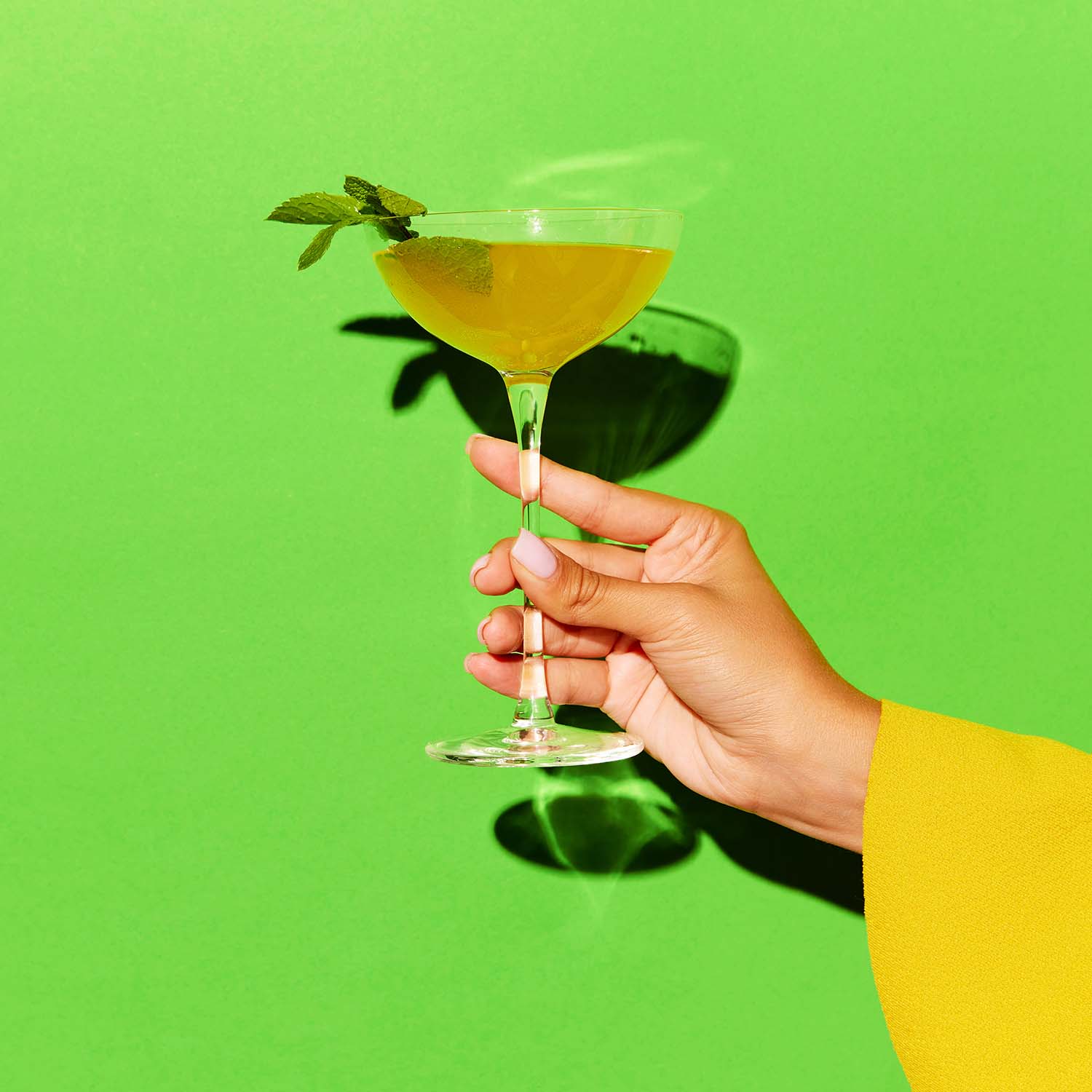
Shake 50 ml young genever, 25 ml lemon juice, 15 ml sugar syrup and a splash of egg white vigorously, then strain into a coupe. The Dutch version of the Whiskey Sour.
View the recipe →The best cocktails with Hooghoudt

Kopstoot
A small glass of genever next to a flute of beer. It doesn't get simpler or more Dutch than this.
Amsterdam Sour
Genever, lemon, sugar and egg white. The Dutch counterpart to the Whiskey Sour.
Tom Collins
Lemon, sugar and soda. With genever instead of gin, you get a fuller, grainy version.
Orange cocktails
All the orange recipes at a glance. The orange liqueur is the logical base here.The right glass for Hooghoudt
An Old Dutch roemer or a stemmed shot glass for genever and Beerenburg, and a long drink glass or coupe for cocktails. These are the glasses we recommend ourselves.


Everything you still wanted to know about Hooghoudt
Can't find your question here? Browse our cocktail recipes or get in touch.
To the cocktail recipes →