

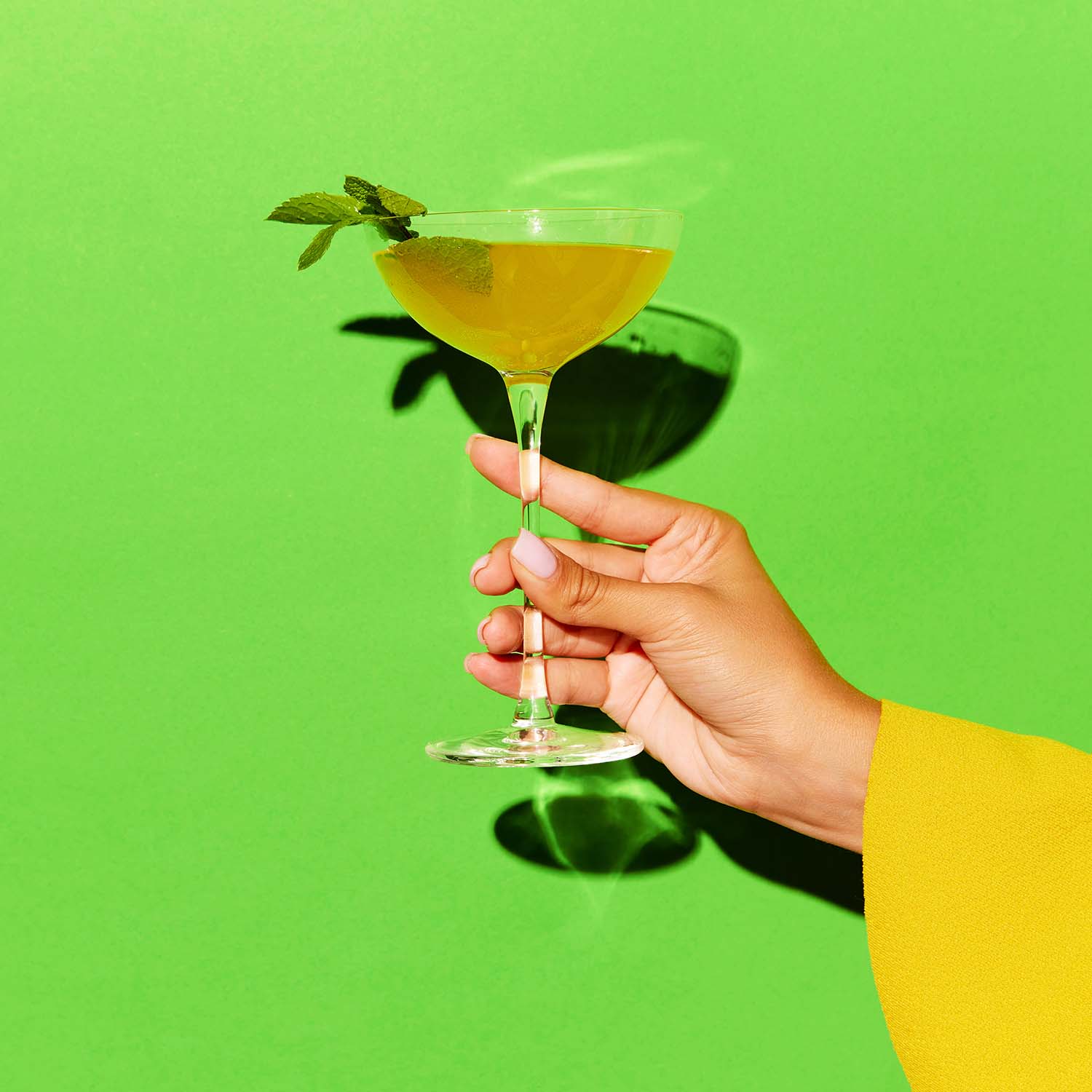




3 Fonteinen
3 Fonteinen is a lambiek brewery and geuze blender from Beersel, just south of Brussels. It is known for dry, tart oude geuze and oude kriek made with real krieken. Here, you can learn what lambiek, geuze, and kriek are, which bottles Gall & Gall sells, what they taste like, and how to serve them.

Spontaneously fermented beer from the Pajottenland
3 Fonteinen comes from Beersel, in the Pajottenland and Zenne Valley southwest of Brussels. This is the lambiek region: beer that ferments spontaneously. The brewer does not add yeast, but leaves the cooled wort exposed to the air, allowing wild yeasts and bacteria from the surrounding area to do the work. The lambiek then matures in wooden barrels for months to years. This creates a dry, tart, complex beer. Gaston Debelder started as a geuze blender: he bought lambiek from brewers and blended it into geuze. His son Armand took 3 Fonteinen further and also began brewing lambiek himself.
3 Fonteinen makes two classics from lambiek. Oude geuze is a blend of young and older lambiek that undergoes secondary fermentation in the bottle. The young lambiek provides the sugars for this secondary fermentation, while the old lambiek provides depth. Oude kriek is lambiek steeped with whole sour krieken, a type of cherry, for months. Here, the word "oude" means traditional: without added sweetener and refermented in the bottle. Oude geuze and oude kriek are protected designations in Europe.
In brief
Geuze, kriek, and a tribute
At Gall & Gall, you can buy three beers from 3 Fonteinen, all available in 37.5 cl and 75 cl bottles. All three contain 7% alcohol.
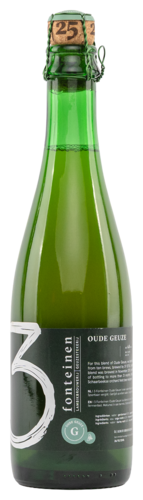
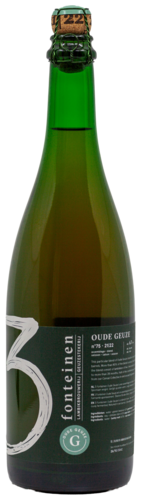
3 Fonteinen Oude Geuze
A classic oude geuze. Lively, spontaneously fermented, with a refreshing, dry, and complex tart flavor profile.
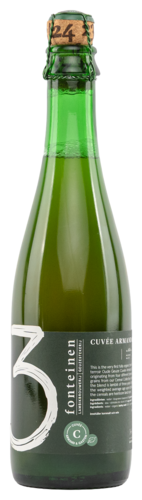
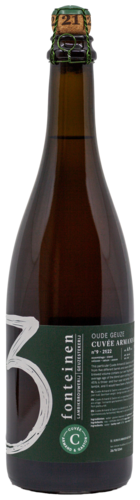
Oude Geuze Cuvée Armand & Gaston
An organic geuze, made as a tribute to Armand and Gaston Debelder. Made entirely from 3 Fonteinen’s own organically brewed lambiek.
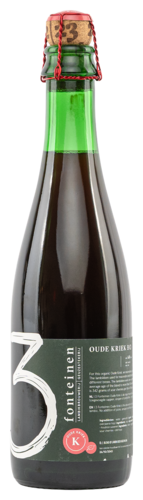
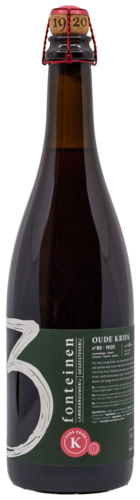
3 Fonteinen Oude Kriek
A traditional, organic oude kriek with intense fruit flavor and a ruby-red color. The fresh sourness of lambiek balanced with the juice of real sour cherries.
How is geuze blended, and why is it so sparkling? Read about it on our geuze page.
What is the difference between oude kriek and sweet kriek? You can read about it on our kriek page.
Spontaneous fermentation, wooden barrels and wild yeasts: this is how lambiek is made.
Dry, sour and surprisingly fresh
Citrus, wood and barnyard
Oude geuze smells of lemon, green apple, oak and an earthy, slightly funky edge from the wild yeasts. The kriek smells of sour cherries and almond.
Sour and sparkling
Lots of fine carbonation from secondary fermentation in the bottle and a distinct sourness. The geuze is bone-dry. The kriek is fruitier, but also dry: no sugar has been added.
Long and dry
A long, dry finish with sourness, wood and a lightly bitter note. With the kriek, cherry and a lightly almond-like note linger.
Flavor profile of 3 Fonteinen Oude Geuze. The Oude Kriek scores higher on fruit and just as low on sweetness.
How to pour oude geuze and kriek
Oude geuze and kriek are living beers with yeast sediment at the bottom. With the right temperature and careful pouring, you’ll get the most out of them.
At 8 to 12 degrees
If it is too cold, the complex aroma disappears; if it is too warm, the acidity becomes sharp. Take the bottle out of the refrigerator half an hour before serving, or store it in a cool cellar. An older bottle can be served on the warmer side.
More about gueuze →Store lying down, pour gently
The bottles have a cork and are made for long-term storage. Lay them down in a cool, dark place. Pour them in one smooth motion so the yeast sediment stays in the bottle. Leave the last little bit behind.
More about lambic →With the label facing up
Keep the bottle tilted while pouring, with the label facing up, and pour slowly along the side of the glass. The high carbonation quickly creates a head. Share a 75 cl bottle with a few people, just like a bottle of wine.
Organize a beer tasting →Gueuze and kriek at the table
The acidity of oude gueuze and kriek works at the table like a fresh wine: it cuts through fat and creamy sauces and cleanses your palate.
Mussels and oysters
Mussels, oysters, fried fish and prawns. The dry acidity pairs well with briny and salty foods.
Soft cheese and bread
A slice of bread with soft cheese, radishes and spring onion is a classic pairing with gueuze in the Pajottenland. Young goat's cheese also works well.
Duck and game
Duck breast, game or a salad with smoked meat. The cherry acidity works like a fresh sauce.
Chocolate and red fruit
Dark chocolate, chocolate mousse or a dessert with red fruit. Because the kriek is dry, the dessert should not be too sweet.
The right glass for 3 Fonteinen
Traditionally, gueuze is served in a straight, slightly wider glass. A tulip glass also works well because it retains the complex aroma. At the table, with a 75 cl bottle, you can also serve oude gueuze and kriek perfectly well in a wine glass.


Everything you still wanted to know about 3 Fonteinen
Can't find your question here? Read more about tasting beer, or get in touch.
To the beer tasting →What is the difference between lambic and geuze?
What does oude geuze mean?
Where does 3 Fonteinen come from?
How much alcohol is in 3 Fonteinen Oude Geuze?
Which glass do you use for geuze?
What do you eat with oude geuze?
Buy 3 Fonteinen
Want the bottle at home right away? Order 3 Fonteinen online from Gall & Gall. Gall & Gall has 6 in stock.
Prices as of October 8, 2026, as provided by Gall & Gall. You can find the current price and stock at Gall & Gall. Glazen.nl receives a small commission if you buy something through these links; you pay nothing extra. No 18, no alcohol.