





Tia Maria
The coffee liqueur with vanilla and Jamaican rum that made the Espresso Martini a classic. Everything about its taste, alcohol content, cocktails and the glass that goes with it.


A Jamaican family recipe that went around the world
Tia Maria originally comes from Jamaica. The story goes that a family recipe for a coffee liqueur was lost during unrest on the island and only found again years later; the drink is said to have been named after the aunt who had kept the recipe. After the Second World War, the recipe was reintroduced and Tia Maria grew into one of the best-known coffee liqueurs in the world.
The liqueur is made with coffee extract, vanilla, sugar and Jamaican rum and has an alcohol content of 20%. That is low enough to drink neat over ice and high enough to hold its own in a cocktail. Today, Tia Maria is produced by ILLVA Saronno in Saronno, Italy, the company behind Disaronno, and exported to more than sixty countries.
In brief
What Tia Maria bottles are available?
One recipe, three sizes. The choice depends on how often you make Espresso Martinis.
Tia Maria 70 cl
The standard bottle. Makes around 28 25 ml Espresso Martinis, making it the logical choice for a home bar.

Tia Maria 35 cl
The half bottle for those who use it occasionally, or want to try it before buying a full bottle.

Tia Maria 5 cl
The 5 cl mini bottle: exactly enough for two Espresso Martinis, or as a small gift.
For an Espresso Martini, the 70 cl bottle will last you the longest.
Roasted coffee with vanilla
Coffee & vanilla
Freshly roasted coffee with a clear vanilla note and a hint of rum underneath. It smells almost like a coffee dessert.
Sweet but not sticky
Sweet and full-bodied with espresso flavor, but with enough coffee bitterness to remain balanced. Less syrupy than many coffee liqueurs.
Coffee bitterness
A medium-length finish with roasted coffee and cocoa, plus a light rum warmth. This keeps it easy to drink, even neat.
Tia Maria flavor profile. For comparison: Kahlúa is 16% ABV and distinctly sweeter and more syrupy.
Three ways to drink Tia Maria
Tia Maria is the coffee liqueur most bartenders reach for because it is less sweet than the competition. Neat, with milk, or shaken with espresso.
As an Espresso Martini
25 ml Tia Maria, 50 ml vodka, and 30 ml fresh espresso shaken hard with ice and strained into a coupe. Shaking hard is the secret: that's where the layer of foam comes from.
View the recipe →On the rocks
5 cl Tia Maria over ice in a tumbler, with a piece of orange peel. Chilled, it is less sweet and the coffee bitterness comes forward. The easiest after-dinner drink.
Glass: tumbler →With milk or coffee
5 cl Tia Maria with a splash of whole milk over ice makes a White Russian without vodka. Or add a splash to your coffee for a quick coffee liqueur.
White Russian recipe →The best cocktails with Tia Maria

Espresso Martini
Vodka, espresso, and coffee liqueur, shaken hard for that layer of foam.
Black Russian
Vodka and coffee liqueur over ice. It doesn't get simpler than this.
White Russian
Black Russian with a layer of cream or milk on top.
Mudslide
Vodka, coffee liqueur, and cream liqueur. A milkshake for adults.The right glass for Tia Maria
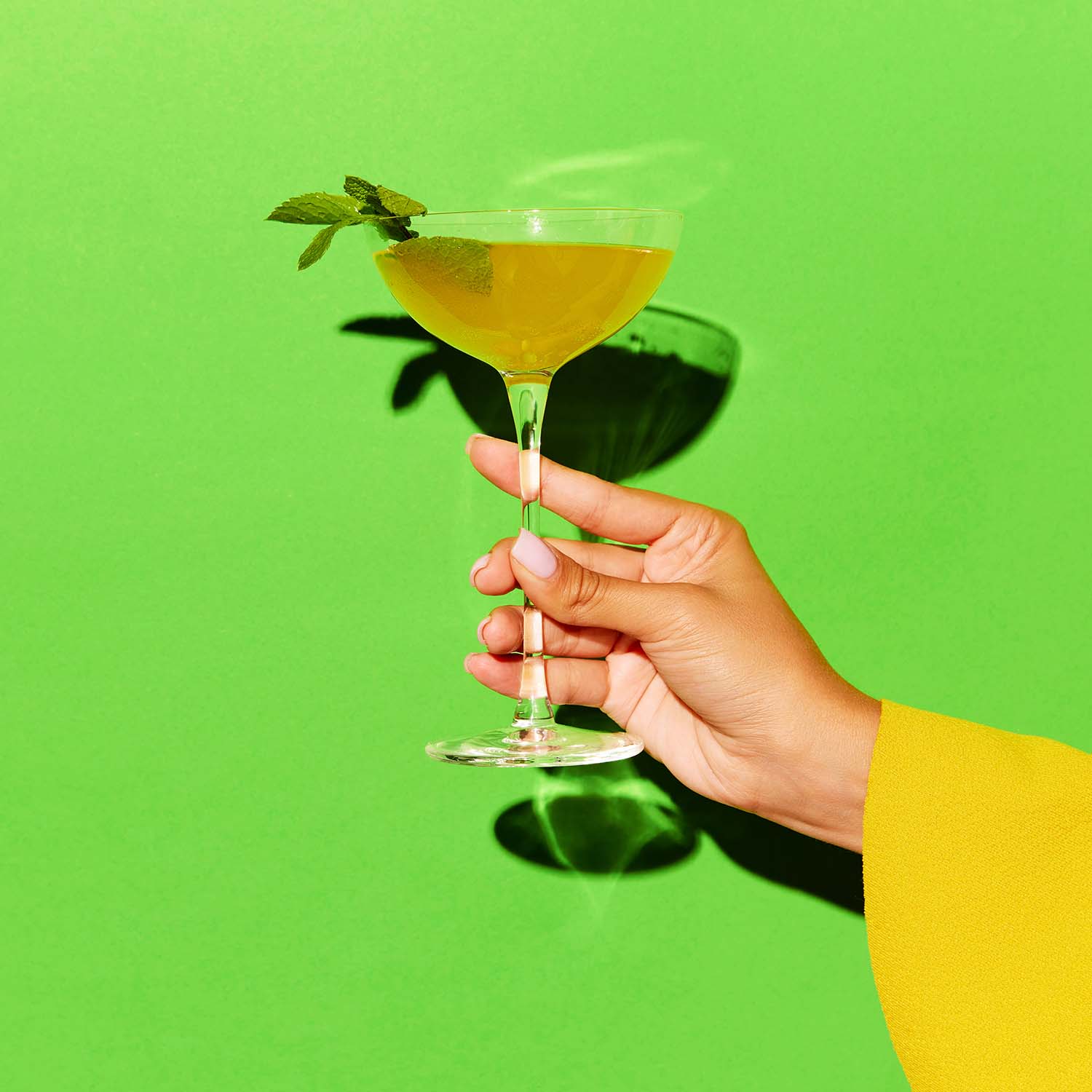
A coupe or martini glass for the Espresso Martini, a tumbler for on the rocks, and an Irish coffee glass for the hot version. These are the glasses we recommend.


Everything you still wanted to know about Tia Maria
Is your question not listed? Check out our cocktail recipes or contact us.
To the cocktail recipes →