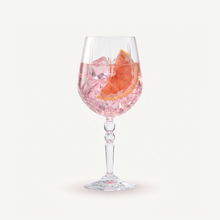
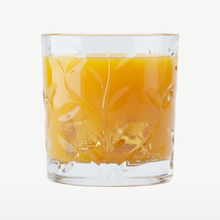
Royal Leerdam Carre Wine Glass 28 Cl - 6 Pieces
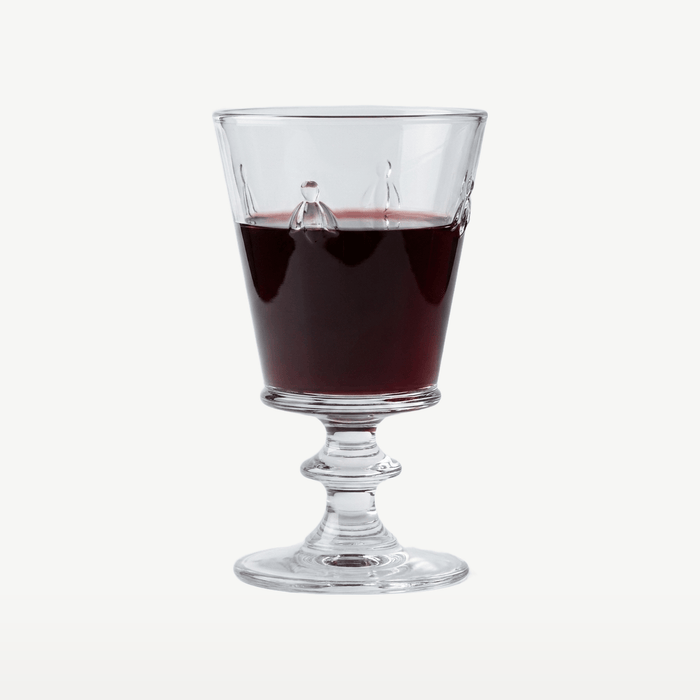
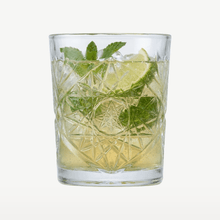
La Rochère Abeille Wine Glass 24 cl - 6 Pieces
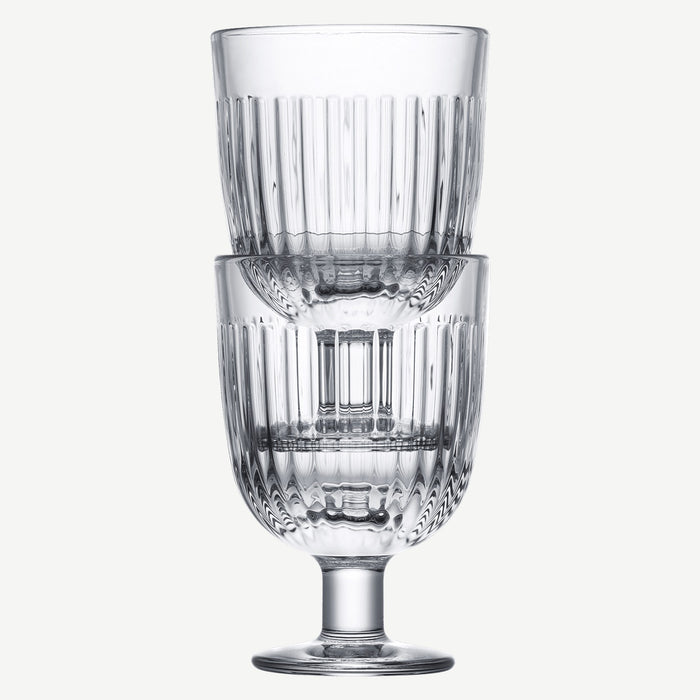
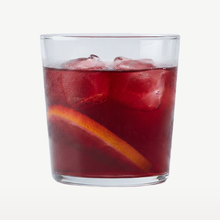
La Rochère Ouessant Stackable Wine Glass 22 Cl - 6 Pieces
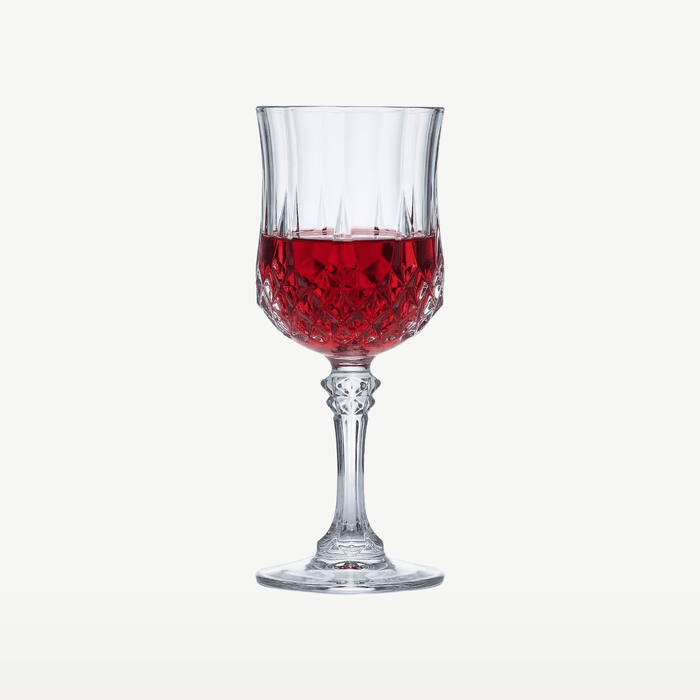
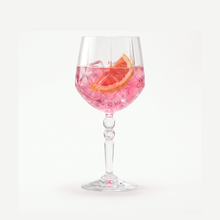
Eclat Longchamp Wine Glass 25 Cl - 6 Pieces

How to pour
a sancerre in
Put the bottle in the fridge for three hours to bring it to 8 to 10 degrees. Below 8 degrees, the grapefruit and gooseberry fade behind the acidity, and above 12 degrees the alcohol comes to the fore. In a hurry? A bucket half-filled with water and half with ice will chill the bottle to the right temperature in fifteen minutes.
Cut the capsule all the way around below the ridge of the neck and wipe the neck clean. Center the spiral on the cork and twist it straight down. Sancerre is almost always drunk young, so the cork is still firm and comes out in one smooth motion.
Decanting isn't necessary here and is usually even undesirable, because the wine warms up much too quickly in a decanter. What does help with a flint-based bottle: pour a little into your glass and let it sit for two or three minutes. The flinty note then comes through more clearly than it does just after pouring.
Pour until the glass is about one-third full, then put the bottle back in the fridge or cooler. A small glass that you refill more often stays cooler than a large glass that sits for half an hour, and with this wine, those few degrees make the difference between crisp and flat.
What did you think of this guide?
Just click a star to rate. If you’d like to add a comment, we’ll review it before it appears here.
Save this page
Send this page to your own email so you have the information handy when it’s time to pour. You’ll also get a €5 discount code on orders over €50, for the glasses that go with it.
The story
Sancerre is an appellation in the eastern Loire, around the hill town of the same name. The white wine is made from Sauvignon Blanc, while the red and rosé are made from Pinot Noir. What makes the region special is its three clearly distinct soil types. Terres blanches consists of limestone and marl, producing fuller, more structured wines that can benefit from aging. Caillottes is shallow, stony soil that yields light, approachable wines. Silex, the flint soil, produces the crispest wines, with the smoky note associated with Sancerre.
The right glass
Sancerre needs to stay cool, and the best way to do that is in a glass that doesn’t hold too much. A bowl of around 25 centilitres, filled one-third of the way, will be empty long before it gets lukewarm, and its slightly tapered rim keeps the grapefruit and gooseberry notes together. A glass with a capacity of 60 centilitres works against you here. If you’re serving a silex wine or a red Sancerre made from Pinot Noir, a little more room is nice; that’s why two sizes are listed below. Find all sizes in our white wine glasses, and for the table, take a look at our wine coolers.

Chef & Sommelier Sublym Wine Glass 25 cl (set of 6)

Schott Zwiesel Fortissimo White Wine Glass 40.4 cl (set of 4)
Both sets together € 55,90.
The right glassware
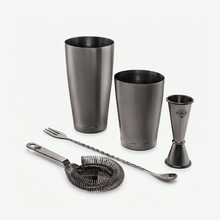
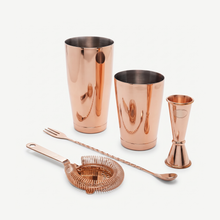
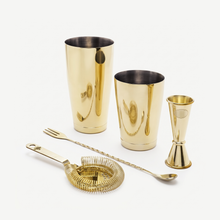
For Sancerre, besides a glass, you mainly need a corkscrew and, to keep the bottle cool, a wine cooler. The bar tools below come into play only when Sauvignon Blanc goes into a spritz or wine cocktail: a bar spoon for stirring and a zester for a strip of citrus peel. These are the bar tools we use ourselves; you’ll find everything in our bar tools & cocktail sets.


Glass set (our choice 01) + 2 bar tools together € 54,85.
What to pour alongside it?
Sancerre usually takes center stage at the table, alongside cheese or a starter, so there’s often another wine to follow. These are the wines that pair naturally with it, from a glass of crémant to start with to a red wine with the main course. On every drinks page, you’ll find the alcohol percentage, tasting notes, suitable cocktails, and the right glass to use.


Variations & twists
Across the river lies Pouilly-Fumé, a separate appellation made from the same grape with an almost identical flavor profile; in blind tastings, people rarely tell the two apart. There’s also red and rosé Sancerre made from Pinot Noir, which many people don’t know about because most of the production is white. The red is light in color and should be served cooler than an average red wine, at around 12 to 14 degrees; drink the rosé at 8 to 10 degrees, just like the white. Want to read more? See all drinks and brands.
Serving tip
The classic pairing comes from a village within the appellation, just half an hour’s drive from the vineyards: Chavignol goat’s cheese. The wine’s acidity and the fresh cheese’s acidity match, while the glass’s green, herbal notes complement the cheese. Sancerre also pairs well with asparagus, smoked fish, and herb salads.
Good to know
White soils, flint pebbles
The three soil types are interspersed across the hills around Sancerre and each produces a different wine. Terres blanches is limestone and marl: it produces broader, firmer wines that can age for a few years. Caillottes is shallow soil full of pebbles and yields lighter wines that are already open when young. Silex is flint and produces the tightest, most taut wines of the three. Many bottles are a blend of plots, but winemakers also bottle wines from each soil type separately and put the name on the label.
Where the flinty note comes from
Wine from flint-rich plots often has an aroma people describe as flint or like the smell of two stones struck together, sometimes also as smoky. It hasn’t been proven that the wine literally tastes of the soil; what is clear is that bottles from those plots show that note remarkably often. It comes through most clearly after the wine has been in the glass for a few minutes.
Pouilly-Fumé on the other bank
Pouilly-Fumé lies opposite Sancerre on the other side of the Loire and is a separate appellation made from the same grape. The wines are very similar: the same citrus and gooseberry, and the same smoky notes from flint-rich plots. The word fumé in the name refers to that smoky note. If you’re looking for Sancerre and the shelves are bare, this is the closest substitute.
The red and rosé Sancerre few people know
Pinot Noir is also allowed within the same appellation, and is used to make red and rosé Sancerre. Most of the production is white, so red Sancerre is rarely found outside the region. It’s light in color and tannins, with red fruit, and is served cooler than an average red wine, around 12 to 14 degrees.
How much alcohol it contains
White Sancerre is usually roughly 12.5 to 13.5 percent alcohol. The region is fairly far north, so the grapes rarely ripen to very high sugar levels. The percentage is always listed on the label.
Frequently asked questions
Which grape is Sancerre made from?
White Sancerre is Sauvignon Blanc. Pinot Noir is also grown in the same appellation and is used to make red and rosé Sancerre. So Sancerre is a regional name, not a grape variety, although most of what you see in stores is white wine made from Sauvignon Blanc.
What does Sancerre taste like?
Grapefruit and citrus up front, with gooseberry and a green, herbal note often described as boxwood. The acidity is high and the finish is dry. If the wine comes from flint-rich plots, there’s a flinty, slightly smoky note on top.
What is the difference between Sancerre and Pouilly-Fumé?
They sit opposite each other on either side of the Loire and use the same grape, Sauvignon Blanc. In the glass, they’re very similar: the same citrus, gooseberry and smoky notes. They’re two separate appellations, but work almost seamlessly as substitutes for one another.
At what temperature and in what glass should you serve Sancerre?
Serve at 8 to 10 degrees in a glass of around 25 centiliters, filled one-third full. A small glass that you top up more often keeps the wine cooler than a large balloon glass. Put the bottle back in the fridge or an ice bucket between pours.
Also delicious
Buy Sancerre
Want the bottle delivered straight to your door? Order Sancerre online from Gall & Gall. Gall & Gall has 15, including 1 on sale.
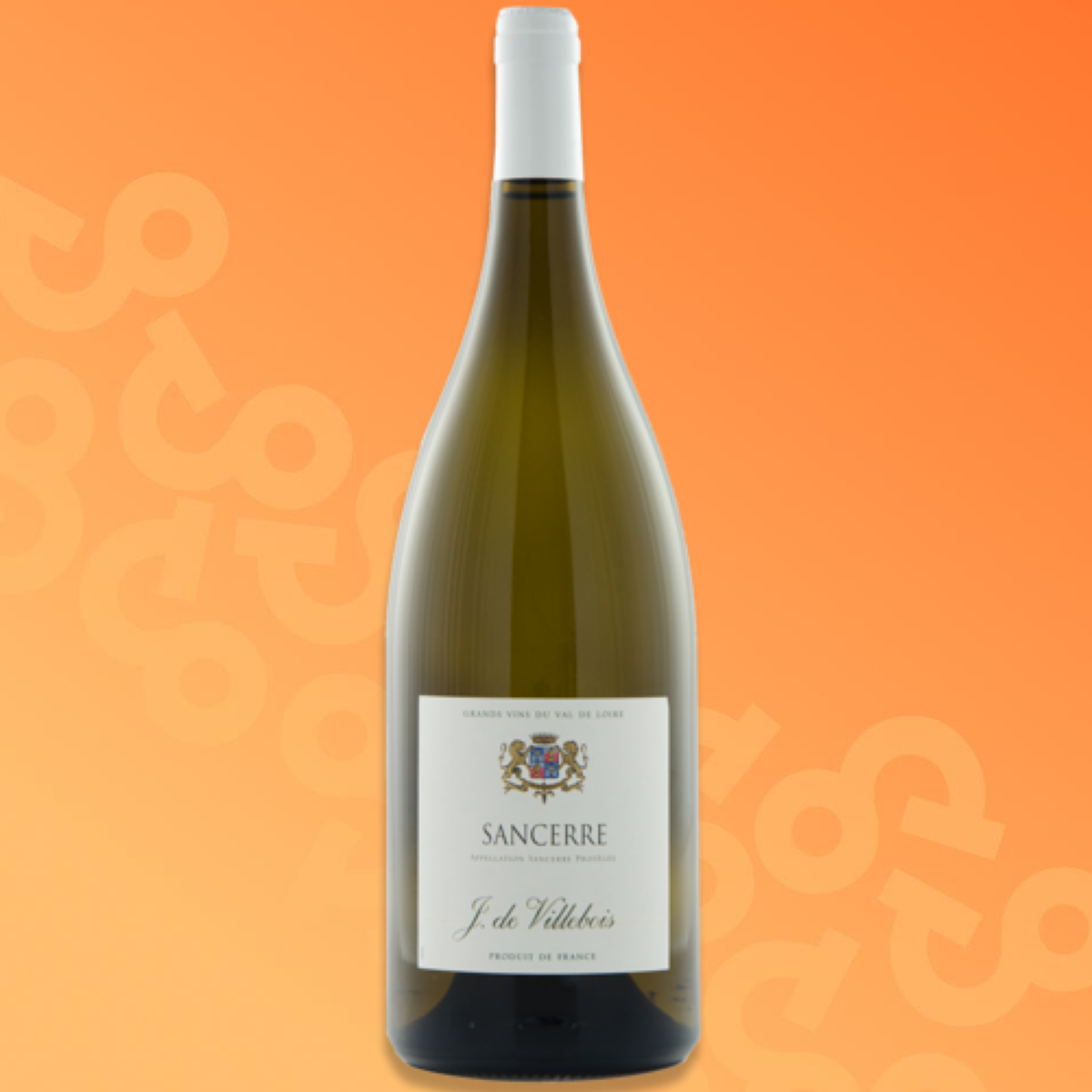
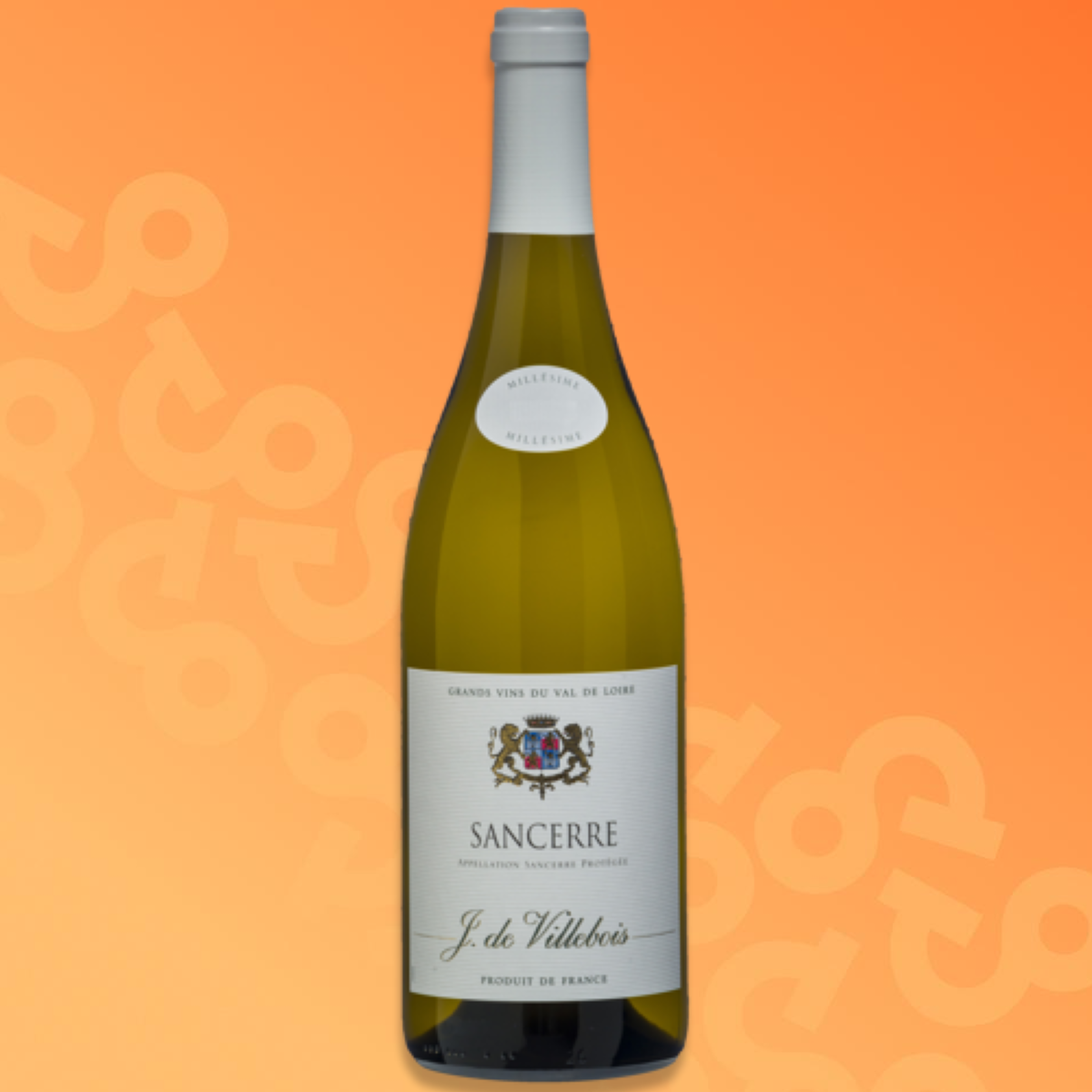
J. de Villebois Sancerre White
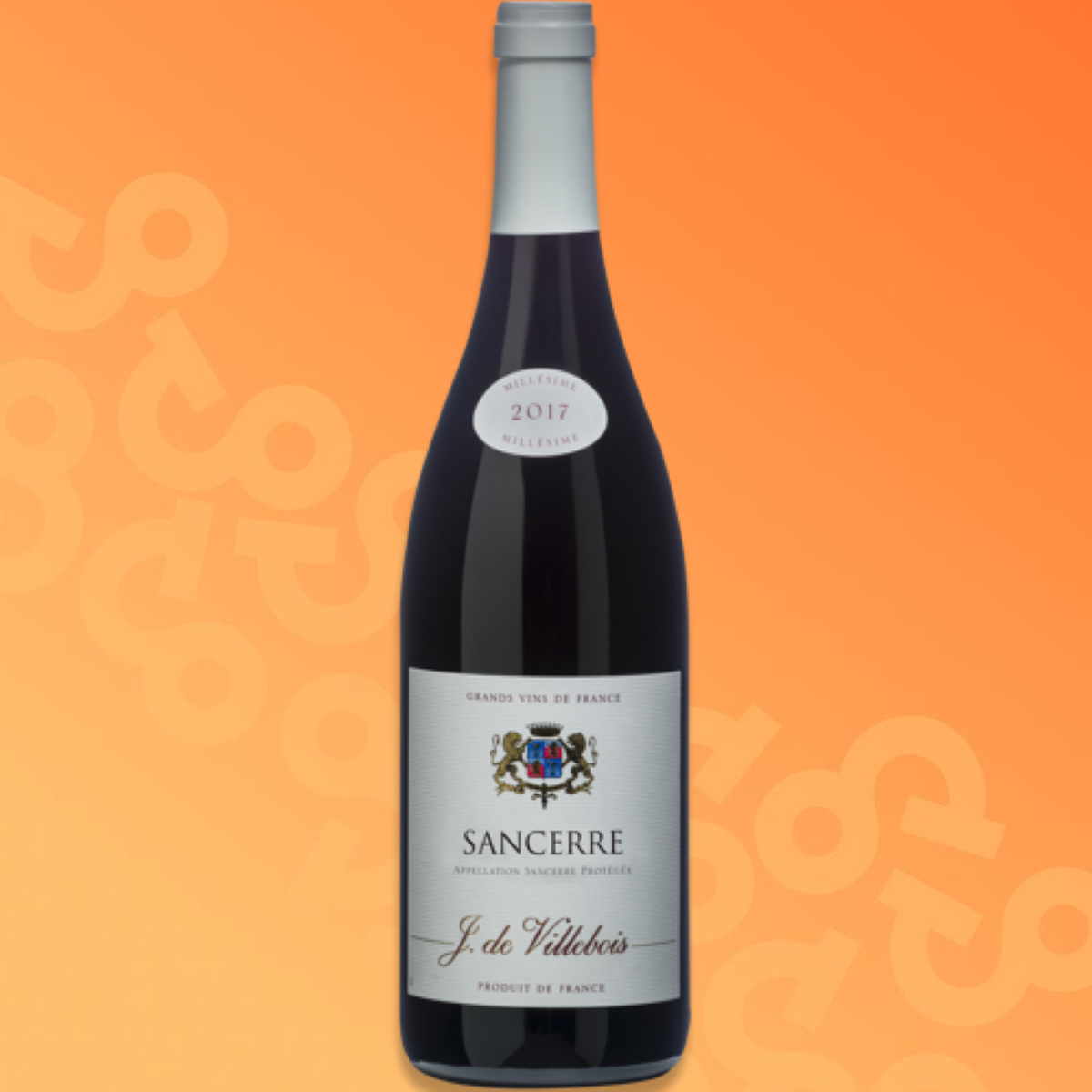
J. de Villebois Sancerre Red
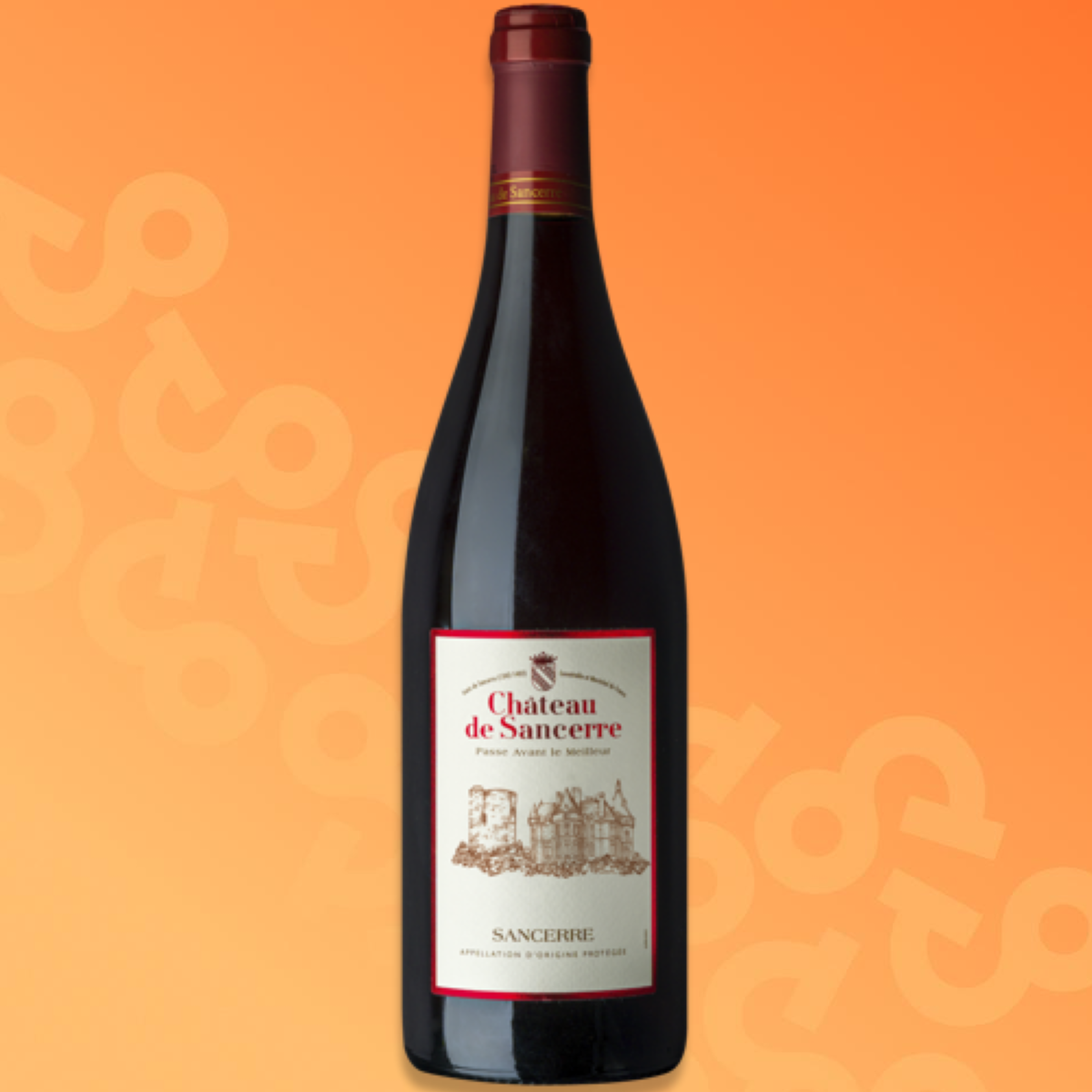
Château de Sancerre Tradition Red
Prices as of November 16, 2026, as provided by Gall & Gall. You can find the current price and stock at Gall & Gall. Glazen.nl receives a small commission if you buy something through these links; it costs you nothing extra. No alcohol under 18.
Everything for your bar,
at one address
Hospitality-quality glasses, sold in sets. Order today, delivered quickly.
Shop for glasses →