






Australian wine
Australian wine is known for ripe, powerful shiraz from the Barossa Valley. But the country also produces fresh riesling, elegant pinot noir from Tasmania and full-bodied chardonnay. Most vineyards are in the southeast, around Adelaide and Melbourne.


Australian wine, by grape variety and winery
You mainly choose Australian wine by grape variety, and often by winery. We have a dedicated page about the main grapes and Penfolds.

Shiraz
In France it is called syrah. In Australia, shiraz became the best-known grape: ripe, full-bodied and spicy.
About shiraz →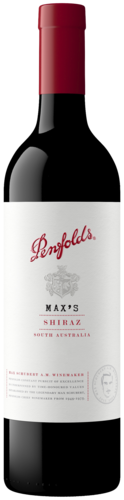
Penfolds
Australia's best-known winery, with the Bin wines and Grange as its flagship.
About Penfolds →
Chardonnay
Once mainly full-bodied and oaky, now also fresher from cool regions such as the Adelaide Hills and Tasmania.
About chardonnay →
Grenache
Together with shiraz and mataro, grenache forms the famous GSM blend from South Australia.
About grenache →Sun, old vines and cool corners
Australia is vast and largely too hot and dry for viticulture. The vineyards are therefore mainly in the southeast and the far southwest, where the sea and elevation provide cooling. South Australia, with the city of Adelaide, is the most important wine region. It is home to the Barossa Valley and McLaren Vale, known for powerful shiraz, the Clare Valley and Eden Valley with their fresh riesling, and Coonawarra with cabernet sauvignon grown on red soil. Victoria, New South Wales and Western Australia are home to other well-known regions, such as the Yarra Valley, Hunter Valley and Margaret River. The island of Tasmania is the coolest and produces pinot noir, chardonnay and sparkling wine.
Shiraz is Australia's best-known grape. It is the same grape as French syrah, but in the Australian sun it becomes riper and fuller-bodied. South Australia still has many very old vines because phylloxera never reached the region. Australian winemakers like to blend: shiraz with cabernet sauvignon, or the GSM blend of grenache, shiraz and mataro (mourvèdre). Many labels state South Eastern Australia. This is a large region covering several states, allowing a winery to combine grapes from different areas. Penfolds Grange, the country's best-known wine, originated in the 1950s as a blend of shiraz from different vineyards. Much Australian wine has a screw cap instead of a cork.
In brief
Seven bottles, from Barossa shiraz to Tasmanian pinot
We start with two shiraz wines from South Australia and two typically Australian blends. Then a riesling from the Clare Valley, a pinot noir from Tasmania and a chardonnay from the cooler regions.
Chateau Tanunda Grand Barossa Shiraz
Shiraz from the Barossa Valley, aged for eighteen months in French and American oak. Blackberries, plums and black pepper.

Penfolds Bin 28
Penfolds shiraz, originally from the Kalimna vineyard in the Barossa Valley. Ripe, full-bodied and packed with dark fruit.

Penfolds Max's Shiraz Cabernet Sauvignon
Shiraz with cabernet sauvignon, a true Australian combination. The shiraz brings ripe fruit, while the cabernet provides structure and cassis.
Penfolds Bin 138 Shiraz Grenache Mataro
Shiraz with grenache and mataro, also known as mourvèdre: the classic GSM blend. Juicy, spicy and rounded.

Wakefield Estate Riesling
Riesling from the Clare Valley, known for dry, taut riesling with lime and citrus. Fresh and pure.
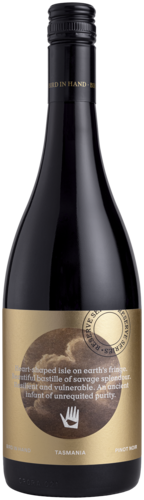
Bird in Hand Tasmanian Pinot Noir Reserve
Pinot noir from the cool island of Tasmania. Black cherries, plums and spices, with silky tannins and freshness.
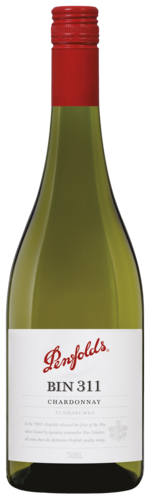
Penfolds BIN 311 Chardonnay
Chardonnay from cooler regions, with modest oak ageing. Citrus, hazelnut and a creamy note of fresh bread.
What is the difference between shiraz and syrah, apart from the name? You can read about it on our shiraz page.
Ripe fruit, pepper and sunshine
Blackberries & pepper
Australian shiraz smells of blackberries, plums and black cherries, with black pepper, liquorice and often a hint of mint or eucalyptus. Oak adds vanilla and chocolate. Riesling, by contrast, smells of lime and citrus blossom.
Full and juicy
The red wines are full-bodied, ripe and soft, with plenty of fruit and a warm touch from the alcohol. Wine from cool regions, such as Tasmania and the Adelaide Hills, is leaner and fresher.
Warm and spicy
Shiraz finishes long and spicy, with sweet fruit and pepper. Clare Valley riesling finishes taut and dry, with fresh acidity.
Flavour profile of an average shiraz from South Australia. A riesling from the Clare Valley or a pinot noir from Tasmania scores higher on freshness and lower on power.
How to serve Australian wine
Shiraz not too warm, white wine chilled, and a big shiraz or cabernet gets some air first.
Red at 16 to 18 degrees
Australian shiraz often has 14.5% alcohol. At room temperature, you mainly taste the alcohol. Serve it at around 16 to 17 degrees so the fruit stays fresh. Pinot noir from Tasmania can be served slightly cooler.
More about wine temperature →Letting big wine breathe
A powerful shiraz from the Barossa or a cabernet from Coonawarra becomes softer and more open when you pour it into a decanter half an hour to an hour in advance. A top wine like Grange is often decanted even longer.
Decanter carafes →White and rosé chilled
Serve riesling and rosé at 8 to 10 degrees. Oak-aged full-bodied chardonnay can be served slightly warmer, around 10 to 12 degrees, so its creamy flavor comes through properly.
More about decanting →Australian wine at the table
In Australia, barbecue is central, and ripe red wines are a perfect match. Fresh riesling is a classic partner for Asian food, which is widely eaten in Australia.
Barbecue and lamb
Spareribs, lamb chops, sausages, and marinated grilled meat. The pepperiness of shiraz pairs beautifully with spicy rubs.
Red meat and stew
A steak, entrecote, leg of lamb, or stew. A GSM blend also pairs well with spicy dishes and couscous with lamb.
Asian food and fish
Thai and Vietnamese dishes, sushi, oysters, and grilled fish. Its lime-like freshness makes the food feel light.
Chicken, salmon, and duck
A chardonnay with grilled chicken, smoked salmon, and lobster. A Tasmanian pinot noir with duck, salmon, and mushrooms.
The right glass for Australian wine
Pour shiraz into a spacious red wine glass with room for swirling. For a powerful cabernet or a top wine like Grange, choose a tall, large bowl. Riesling calls for a smaller glass, while full-bodied chardonnay needs a large wine glass. These are the glasses we recommend ourselves.


Everything you still wanted to know about Australian wine
Can't find your question here? Read more about wine and food, or get in touch.
To wine and food pairings →What is Australian wine?
What is the difference between shiraz and syrah?
What does South Eastern Australia mean on the label?
What is a GSM wine?
How much alcohol is in Australian wine?
What do you eat with shiraz?
Buy Australian wine
Want the bottle at home right away? Order Australian wine online from Gall & Gall. Gall & Gall has 39, 2 of which are on sale.
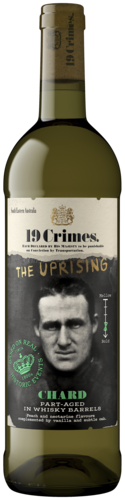
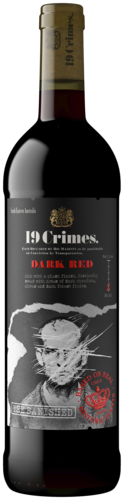
19 Crimes The Banished

Penfolds Koonunga Hill Chardonnay
Prices as of October 9, 2026, as provided by Gall & Gall. You can see the current price and stock at Gall & Gall. Glazen.nl receives a small commission if you buy something through these links; you pay nothing extra. No 18, no alcohol.