

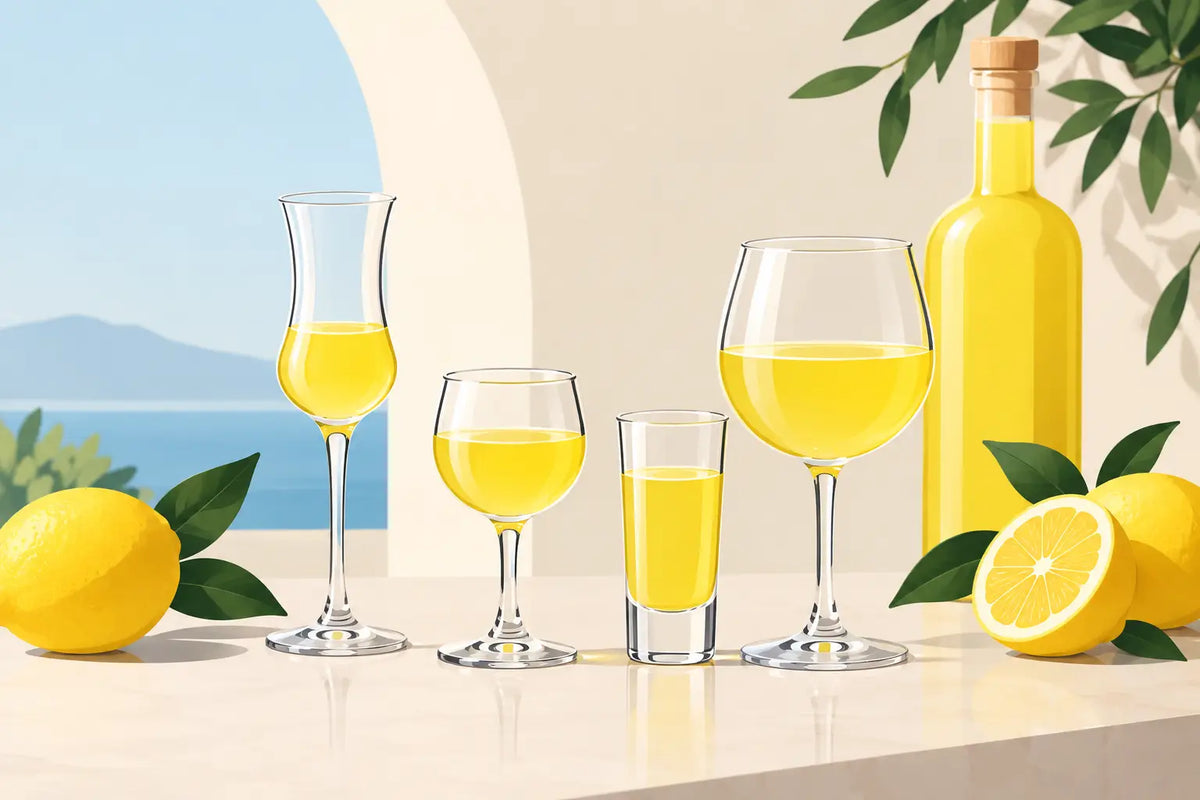
Serve limoncello in a small glass of around 4 to 6 cl and don’t fill it all the way: 3 to 4 centiliters is enough. A slender stemmed liqueur glass works best at the table, since you hold it by the stem and the ice-cold liqueur stays cold for longer. For a casual get-together, a low, compact tumbler is fine too.
Limoncello deserves more than just any shot glass from the cupboard. This lemon-yellow liqueur is ice-cold, aromatic, and often the final taste of a meal. Read on to find out which capacity and shape work best, why you should chill the glass beforehand, when to reach for a larger glass, and how to choose one for a limoncello cocktail.
Which glasses work best for limoncello?
A classic limoncello glass is small, clear, and elegant. Think of a liqueur glass, digestif glass, or Italian cordial glass with a capacity of 5 to 7 cl. Don’t fill it to the brim, leaving room for the aroma and helping the drink stay cool in your hand. You’ll find exactly these sizes in the liqueur glasses collection.
A stemmed glass is the most stylish choice at the table. Since you hold it by the stem, the warmth from your hand is less likely to affect the liqueur. You’ll notice the difference especially when limoncello is served as a digestif and guests linger at the table. Its slender shape looks refined and pairs beautifully with espresso cups, dessert plates, and a carafe of water.
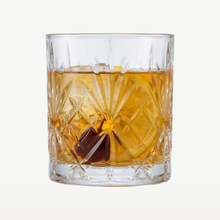
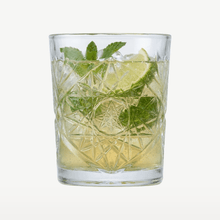
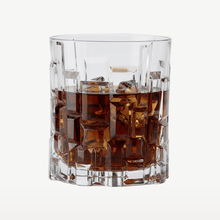
A stemless glass works too. A low, small glass from the tumbler glasses collection gives limoncello a more casual look and feels secure in your hand. It’s a great choice for summer drinks, an Italian antipasto platter, or a table with several small drinks. Just make sure to choose a compact style. A large whiskey glass makes a small serving look lost and warms up faster.
The ideal size: small, but not cramped
For pure limoncello, 4 to 6 cl is ideal. A glass of 7 or 8 cl can work too, especially if the bowl is narrow. Usually, there’s no need to go bigger. Limoncello typically has an alcohol content of between 25 and 32 percent and is meant to be sipped in small amounts, not served as a long drink.
A very small shot glass isn’t always the best choice, by the way. A standard 2 or 3 cl model from the shot glasses range leaves little room for the aroma and presents the drink mainly as a quick shot. That’s fine for a lively evening, but less suited to a carefully planned dinner. If you want the lemon peel, sweetness, and fresh finish to come through better, choose a slightly larger liqueur glass.
Narrow, tulip-shaped, or straight-sided?
The shape makes more difference than many people think. A slightly tulip-shaped glass, with a somewhat wider base and a subtly narrower opening, concentrates the aroma. This is especially enjoyable with artisanal limoncello that has a distinct lemon-peel aroma: you first smell the fresh citrus, then the flavor comes through more fully. You can see the same principle in grappa glasses, which taper for the same reason when serving grappa.
A straight-sided shot glass is simpler and more versatile. It’s easy to store, suitable for everyday use, and also works for other liqueurs or herbal bitters. For bars and larger groups, it’s often the practical choice: quick to serve, easy to arrange on a tray, and useful for more occasions. You’ll find both styles side by side in the liqueur glasses.
Glasses with a wide, open bowl are less suitable for neat limoncello. The drink warms up faster and its aroma fades sooner. Save those glasses for desserts, sparkling cocktails, or a generous spritz.
Serve limoncello ice-cold, not over ice
The glass and the temperature go together. Limoncello tastes best straight from the freezer, at around eight to twelve degrees below zero. Thanks to its sugar content, the liqueur doesn’t freeze, but it does develop its distinctive syrupy, smooth texture.
Put the glasses in the freezer for twenty to thirty minutes beforehand. It’s a small step with a big effect: the limoncello stays fresh longer, and the first sip feels just right. Use only clean, dry glasses, as any water residue will freeze and dilute the drink when it melts.
Ice cubes are usually unnecessary with pure limoncello. They make the liqueur watery and take up valuable space in a small glass. At a warm outdoor gathering, you can use one small cube in a tumbler, but pour a little more limoncello and drink it promptly. For the classic experience, a pre-chilled glass is still the best choice.
Choose a glass that suits the occasion
After an elaborate dinner, limoncello calls for an elegant stemmed liqueur glass. It makes the end of the meal feel a little more special and gives guests a refined way to enjoy their drink. You could serve it with a small biscuit, a piece of lemon cake, or espresso.
For a casual evening with friends, a small straight-sided shot glass works perfectly. It feels informal, sits steadily on the table, and is easy to pair with other glassware. If you have different liqueurs at home, choose one clear, timeless design to keep your table looking uncluttered, even when the flavors vary. The article on what you really need for your home bar explains what other glasses you need for serving drinks at home.
For a dessert buffet or festive reception, the glass can stand out a little more. Transparent crystal glass with a cut detail catches the light beautifully, especially alongside limoncello’s bright yellow color. Just be sure to stick to the right capacity: a beautiful glass doesn’t have to be large to make an impression.
Limoncello cocktails call for a different glass
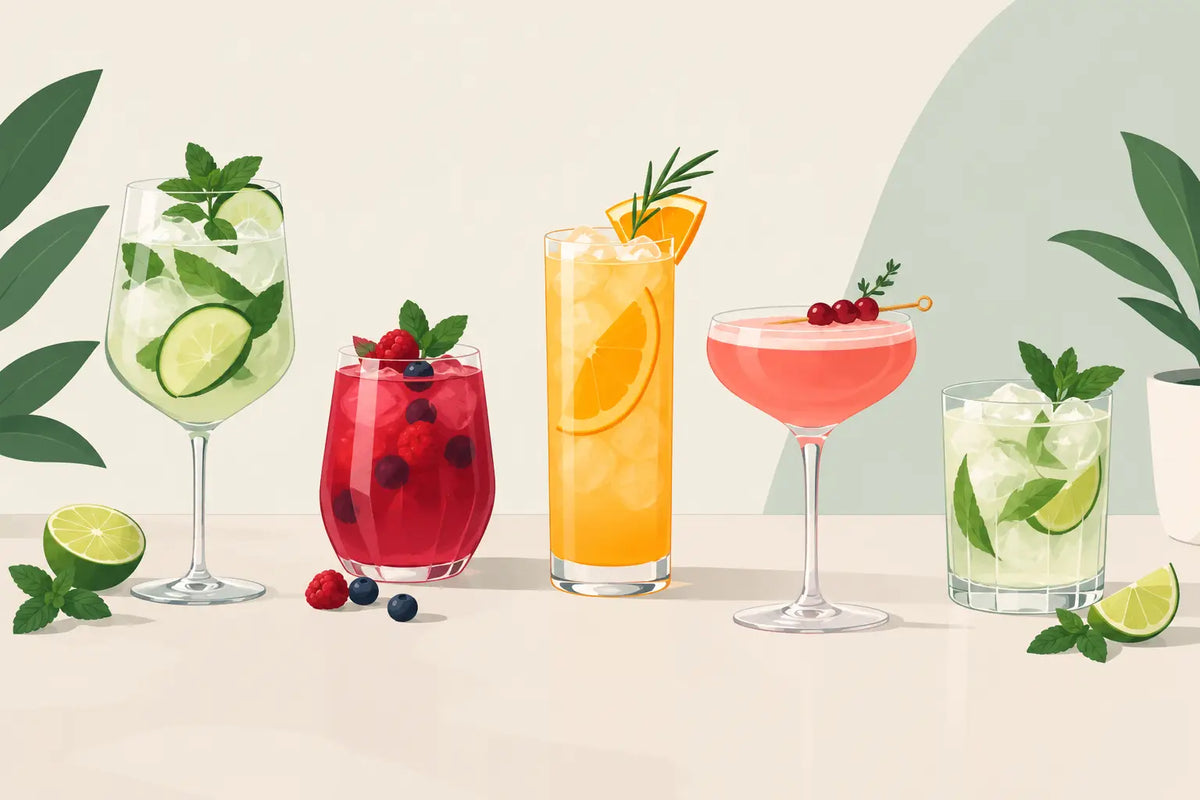
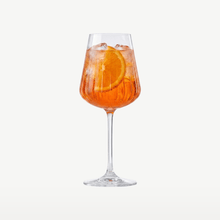
Drink straight limoncello from a small liqueur glass. If you use it in a cocktail, the choice changes. A limoncello spritz with prosecco and sparkling water belongs in a roomy wine glass or large balloon glass filled with plenty of ice. The wide bowl leaves room for bubbles, lemon slices, and mint.
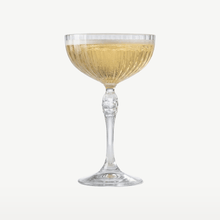
For limoncello tonic or a refreshing mix with sparkling water, a glass from the highball glasses collection is a natural choice. It gives you enough room for ice without throwing off the proportions. A creamy dessert cocktail, on the other hand, is better served in a coupe from the champagne coupes collection. So choose a glass to suit the drink, not just the bottle you’re opening; find more combinations in Italian cocktails.
Material and style: clear glass has an advantage
Clear glass is the safest choice for limoncello. You can immediately see its clear or slightly cloudy lemon-yellow color and easily judge how much you’re pouring. This works well both at home and in hospitality settings. Thin-walled glass feels refined, while slightly thicker glass is often sturdier and better suited to frequent use.
Crystal glass adds extra sparkle and makes a lovely gift for fans of Italian aperitivo and dinner parties. Ordinary glass, on the other hand, is a sensible choice if you often serve larger groups or want to put together a full set. There’s no wrong choice, as long as the glass is small enough and comfortable to drink from.
Pay attention to the stem or base, too. A wide, stable base reduces the risk of spills, especially on a crowded table. Dishwasher-safe glasses are convenient for everyday use; with intricately cut glass, hand-washing helps preserve the shine for longer.
A small set makes serving easier
Limoncello is rarely poured just for yourself. A set of six glasses is a practical choice for home, while eight or twelve are handy if you enjoy hosting dinner parties. In restaurants, it’s a good idea to keep extra glasses on hand so you can serve more during a busy service without waiting for the washing up.
If you want to add thoughtfully to your home bar or restaurant table, choose glasses that also work for other digestifs. A good liqueur glass is just as suitable for amaretto, sambuca, or homemade herbal liqueur. That way, one style of glass works with more than just one bottle, and suits many convivial occasions.
The perfect limoncello moment often comes down to the details: an ice-cold bottle, a dry, pre-chilled glass, and a modest pour. Set the glasses out before dessert is served. Then, after the last bite, all you have to do is pour and let the evening continue at its own pace.
Frequently asked questions
How many centiliters of limoncello should you pour?
Three to four centiliters is a typical serving, in a 4 to 6 cl glass. This leaves room for the aroma and helps the liqueur stay cool longer. Filling a glass to the brim defeats the purpose, because you won’t be able to smell it.
Can you serve limoncello in a shot glass?
You can, but a 2 or 3 cl shot glass leaves little room for the aroma and encourages you to drink it in one go. That’s fine for a lively get-together. At dinner, you’ll get more out of the liqueur with a slightly larger stemmed liqueur glass.
Should you chill the glass first?
That’s the easiest way to keep limoncello ice-cold for a long time. Put dry, clean glasses in the freezer for twenty to thirty minutes before pouring. Don’t use wet glasses, because frozen water dilutes the liqueur as soon as it melts.


Leave a comment
This site is protected by hCaptcha and the hCaptcha Privacy Policy and Terms of Service apply.